Wait for the roots
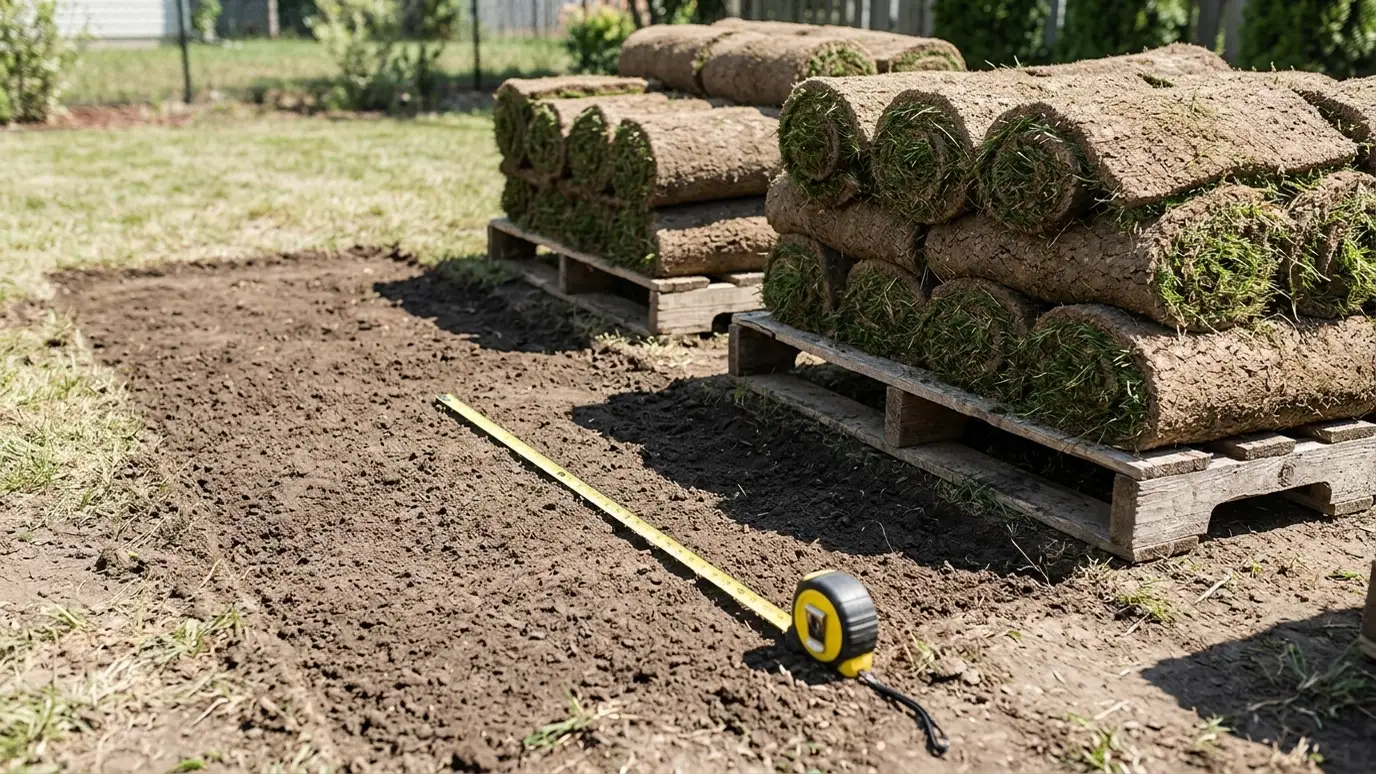
The first mow should wait until the sod has rooted. For most lawns that is about two weeks, though it varies with the season and the grass. Test it by gently pulling a corner. If it resists, the roots are catching.
Mowing too soon can tug the sod loose or leave ruts in soft ground.
Pick the right day
Let the sod dry a little so the mower does not leave tracks, but do not let it dry out. A light watering the day before can be fine, as long as the surface is firm at mowing time.
Avoid wet days, which cause ruts and clumps.
The right height
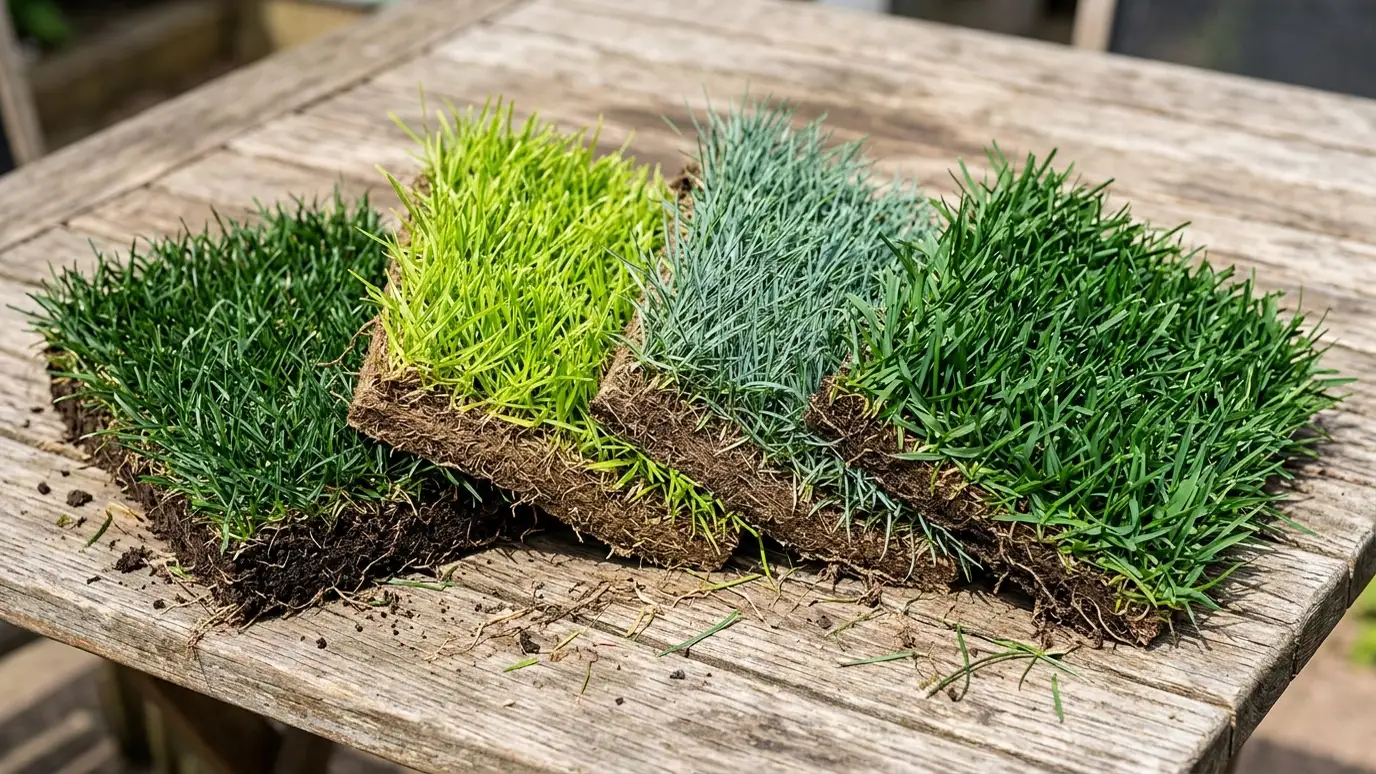
For tall fescue, mow at about three and a half to four inches. For Bermuda and zoysia, mow at their normal lower heights. Never take more than a third of the blade at once.
The first cut can trim just the top, like a light tidy.
Sharp blade, light mower
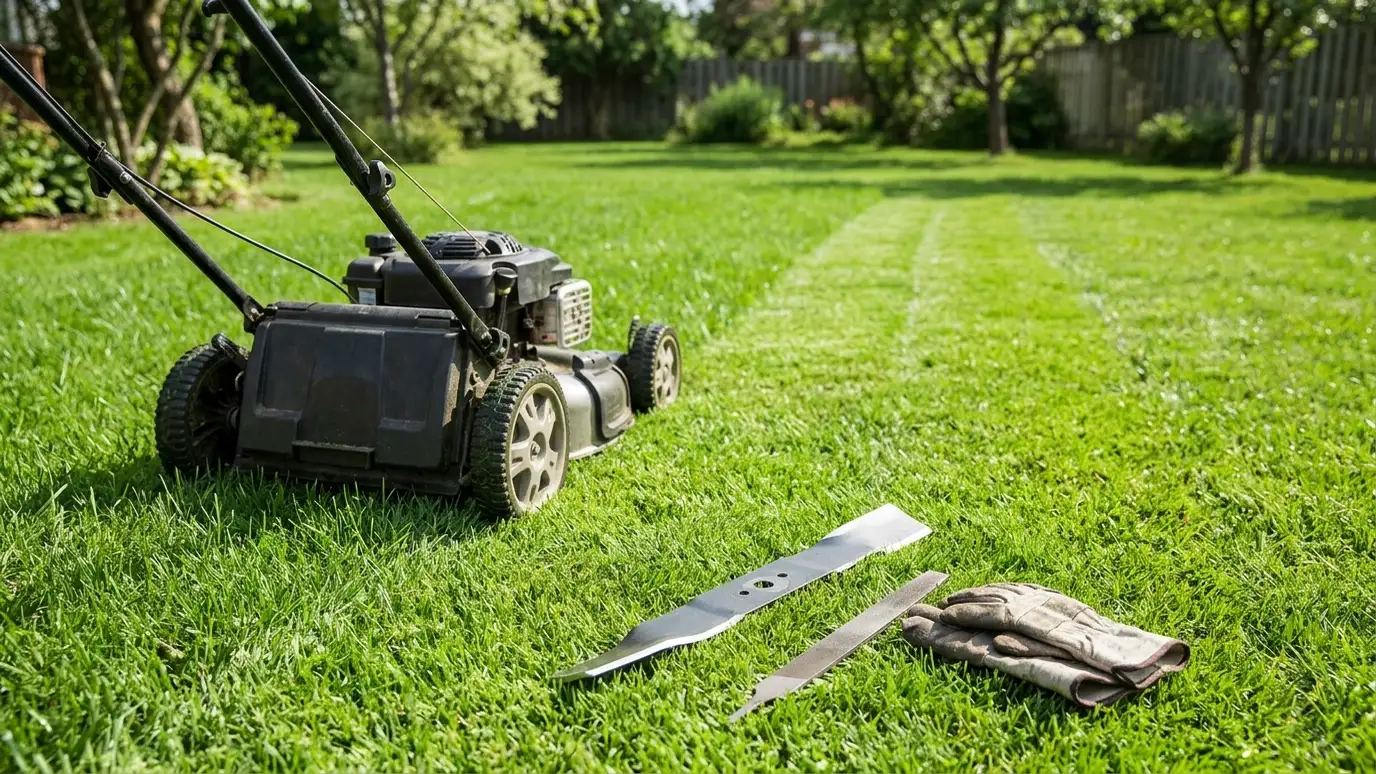
A sharp blade cuts cleanly and does not tear new grass. A lighter mower is better for the first cut. Heavy riding mowers can leave marks.
Mulch clippings are fine if they are short and dry.
Change direction
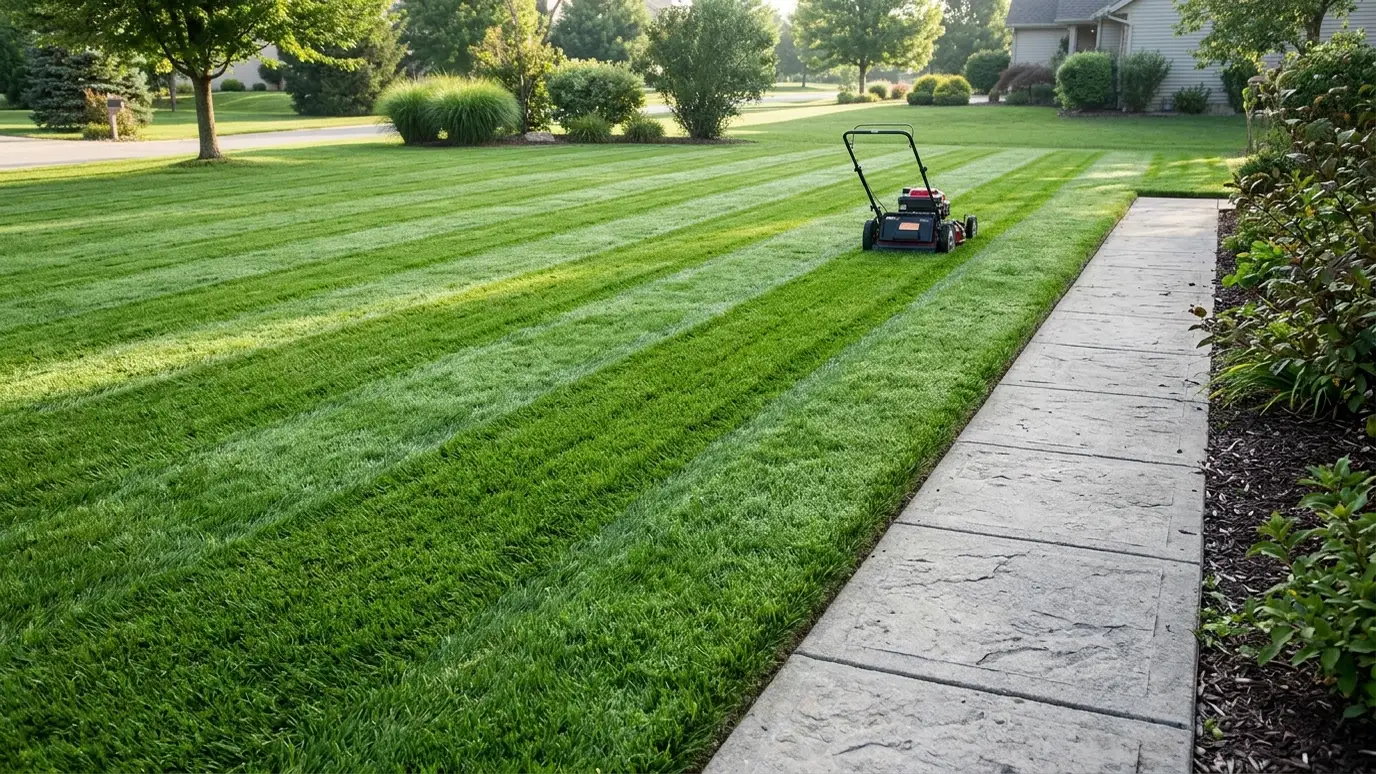
Alternate patterns each time so wheels do not press the same lines. Make wide turns, since tight turns can rip the sod.
Stay off slopes and edges until roots are firm.
Resume the routine
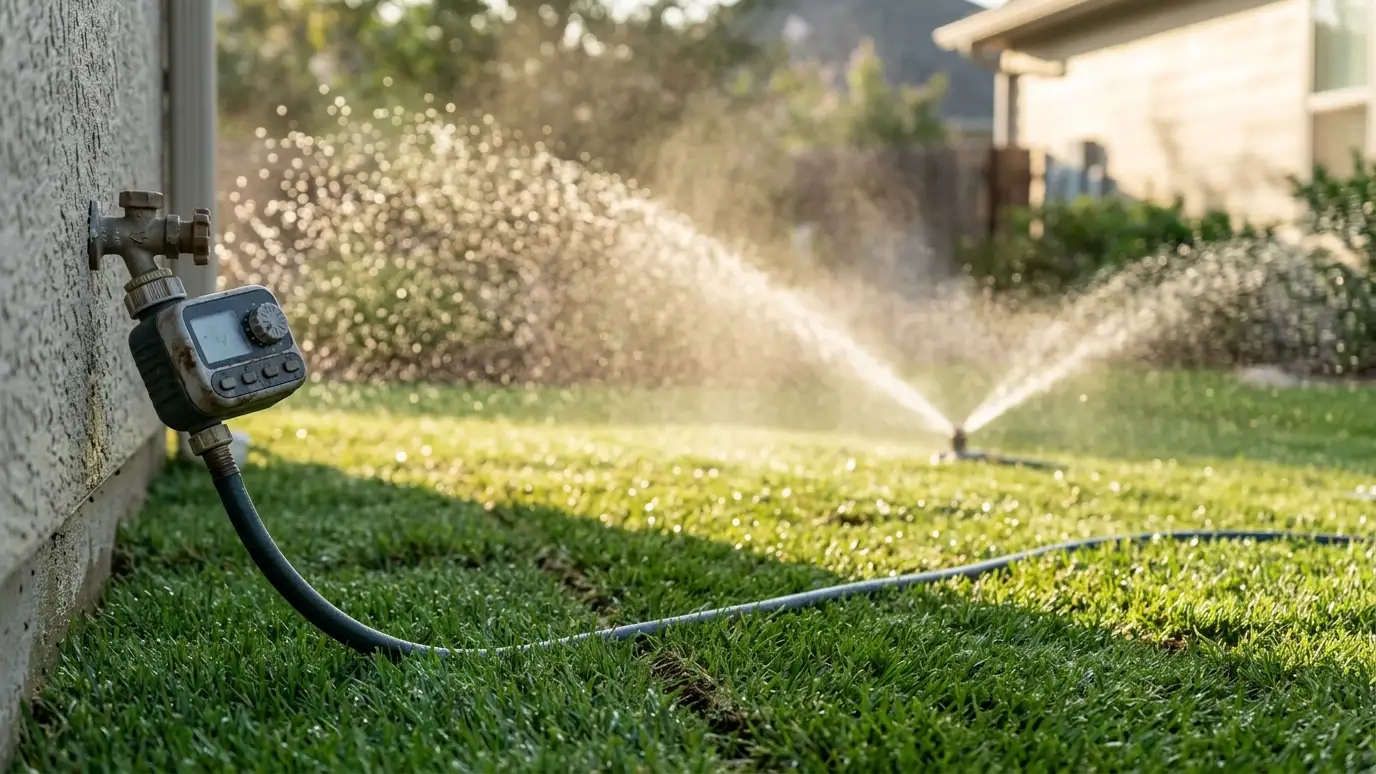
After a few cuts, the lawn is ready for its regular schedule. Start fertilizing according to the plan and keep watering deeply and consistently.
If you see gaps or lifted edges, press them down and water.
Wait for the tug test, use a sharp blade on a dry day and take only the top third.