Why the first weeks matter
New sod has no deep roots yet. It lives on the water in the sod and the soil beneath it, so it is vulnerable to drying out. It also has no tolerance for soggy ground. Getting the balance right in the first month is the most important thing you can do.
Most failed sod lawns die from watering mistakes, not from bad sod.
Day of installation
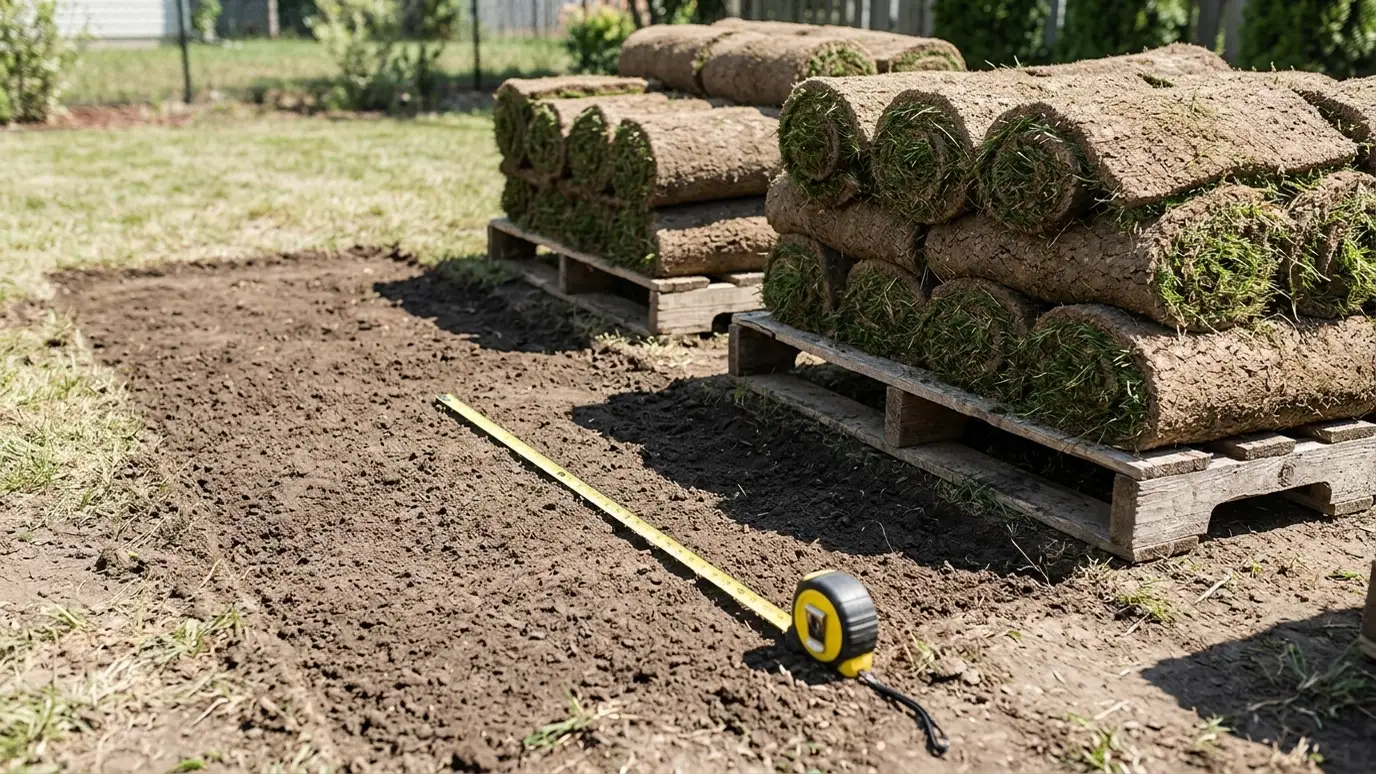
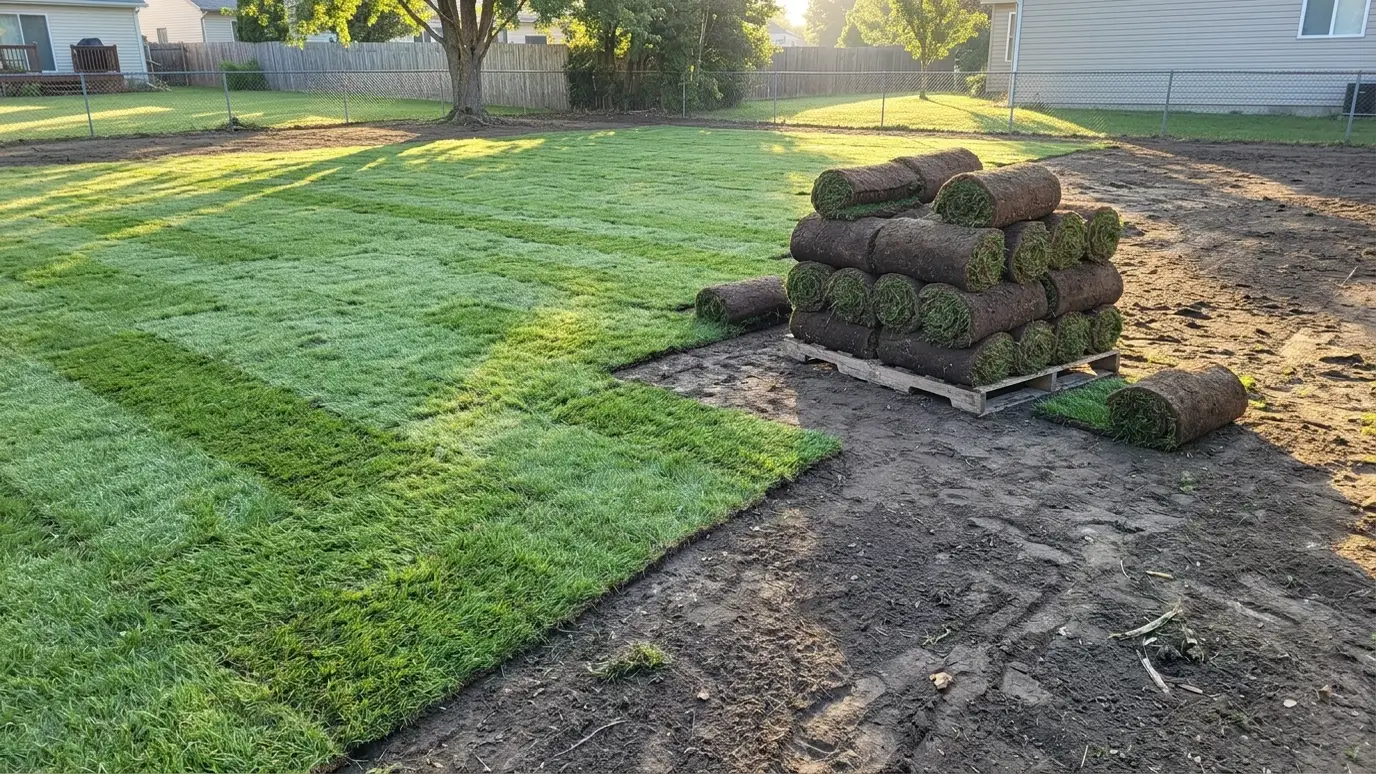
Water thoroughly the moment the sod is laid, enough that the soil underneath is wet to a depth of about an inch or two. Lift a corner to check.
Keep foot traffic to a minimum.
Week one
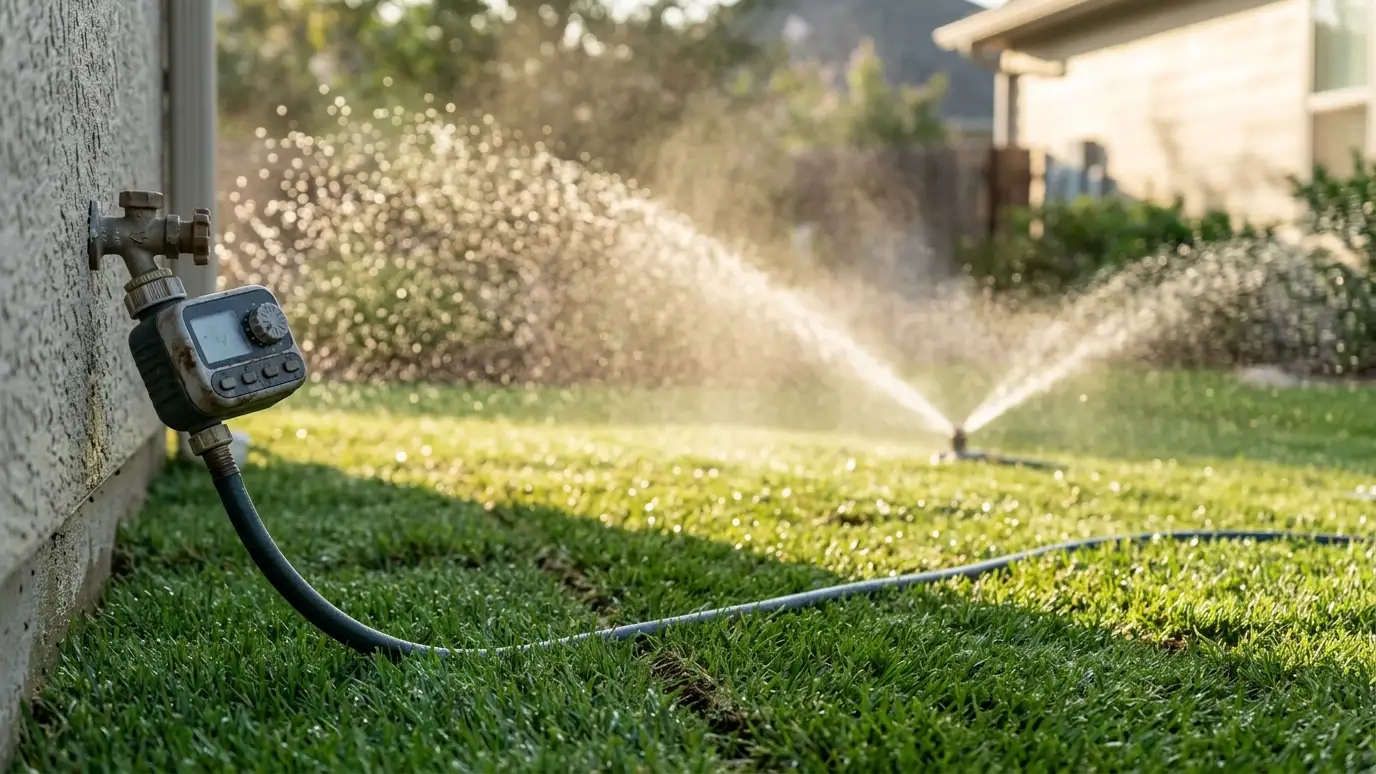
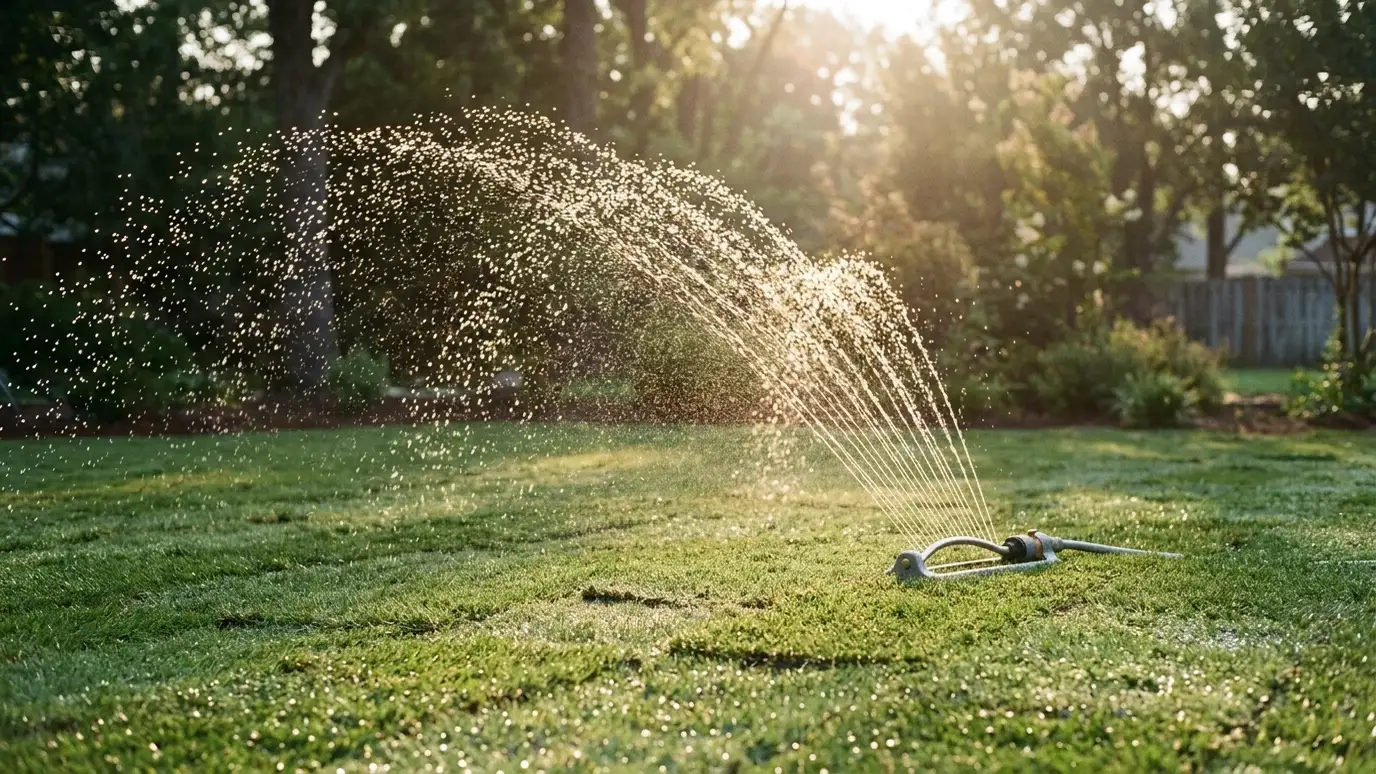
Keep the sod moist, not soggy. In warm weather that often means light watering two to three times a day, such as early morning, midday and late afternoon, for a few minutes each time. Check edges, slopes and sunny spots, which dry fastest.
Cool weather needs less. Let the weather and the feel of the soil guide you.
Week two and three
As roots start to anchor, water less often but longer, so moisture reaches deeper. Many lawns do well with one deep watering a day, then every other day.
The tug test helps: gently pull a corner. If it resists, roots are catching.
After the first month
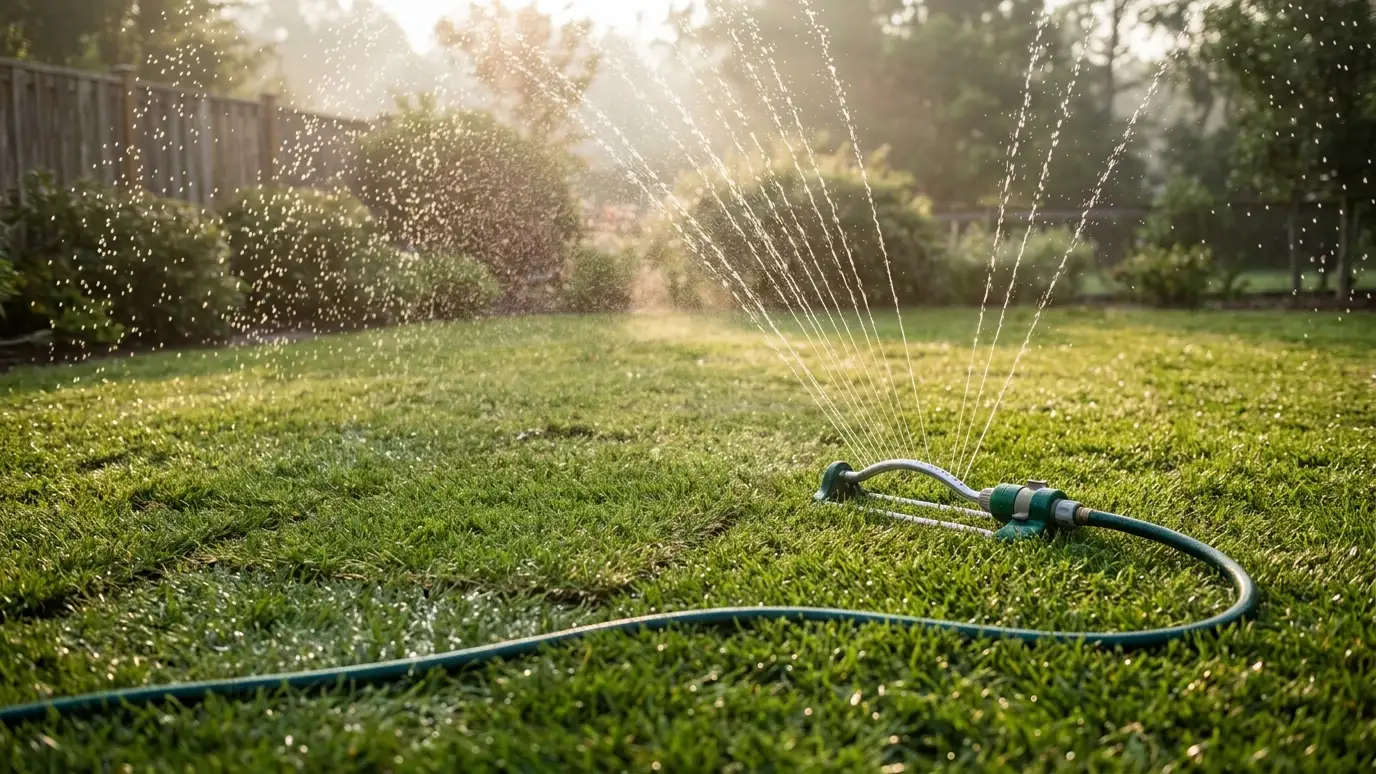
Move to a regular schedule of deep watering one to two times a week, early in the morning, with about an inch of water per week from rain and irrigation combined.
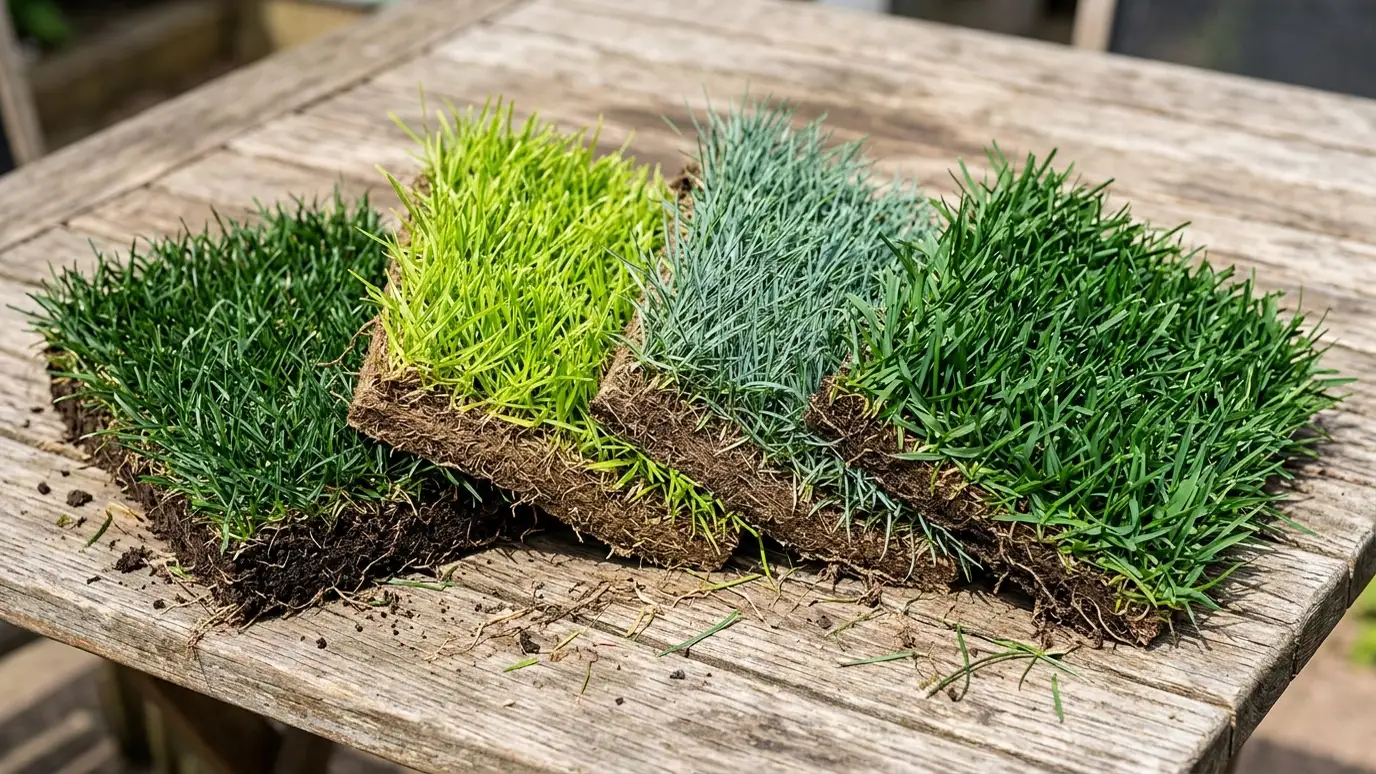
In hot spells, extra watering helps, especially for fescue.
Signs of trouble
Gray-green color, curled edges and footprints that stay pressed down mean the sod is thirsty. Mushrooms, a spongy feel, yellowing and standing water mean too much.
Adjust a little at a time and give the lawn a day or two to respond.
Keep it moist but not soggy for two weeks, then go deeper and less often, and use the tug test to know when roots have grabbed.