Find and stop lawn-damaging grubs, armyworms and other pests before they strip the roots out from under your turf.
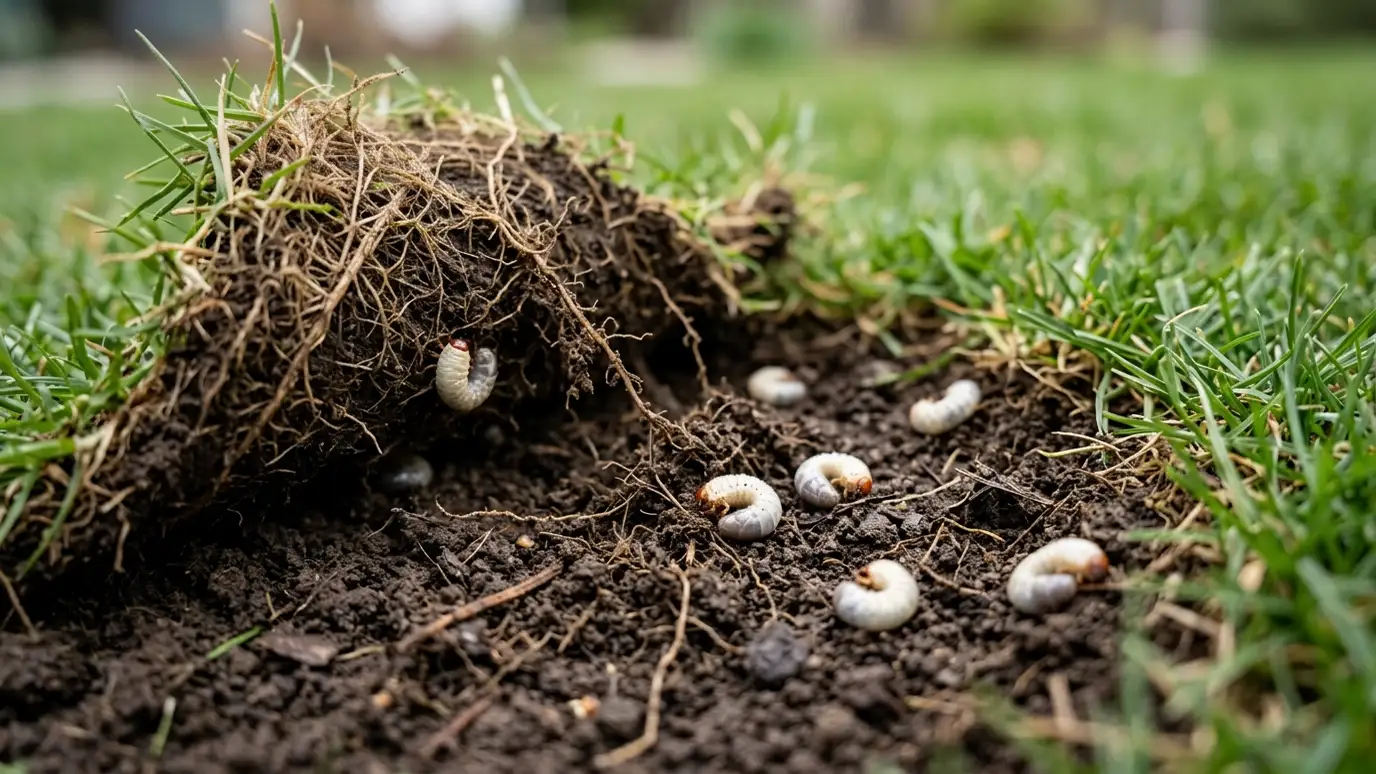
A lawn that turns brown in irregular patches in late summer and peels back like a carpet may not be dry. It may be under attack. White grubs feed on grass roots, cut the turf from the soil and attract skunks, moles and birds that tear up the lawn looking for them. Armyworms, chinch bugs and sod webworms can strip a lawn quickly in a hot spell.
We start with a diagnosis. We pull back turf, check for grubs and other insects, look at the pattern of damage and tell you if pests are the cause or if it is drought, disease or something else. If it is pests, we choose a treatment timed to the pest's life cycle, applied according to the label and local rules. Preventive grub control in early summer is often the best approach for lawns that have had problems before, and we explain when it is and is not needed.
We check the roots and the pattern of damage before we treat. Many brown patches are not caused by insects.
Grub products work best when applied at the right point in the life cycle, usually early to midsummer.
Animals digging in the lawn are often looking for grubs. Controlling grubs helps reduce the damage.
Damaged turf may need patching or overseeding, and we can handle that at the same time.
Drag the handle to compare.
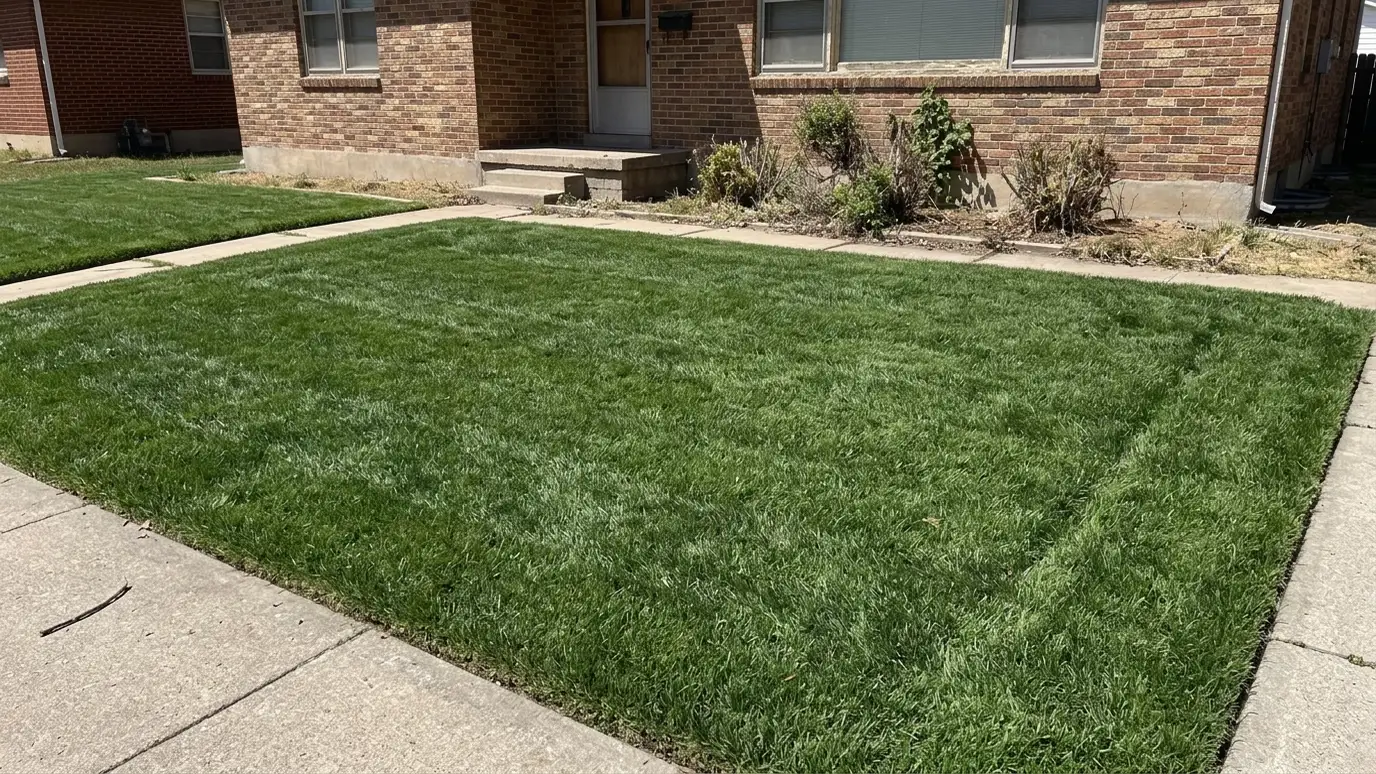
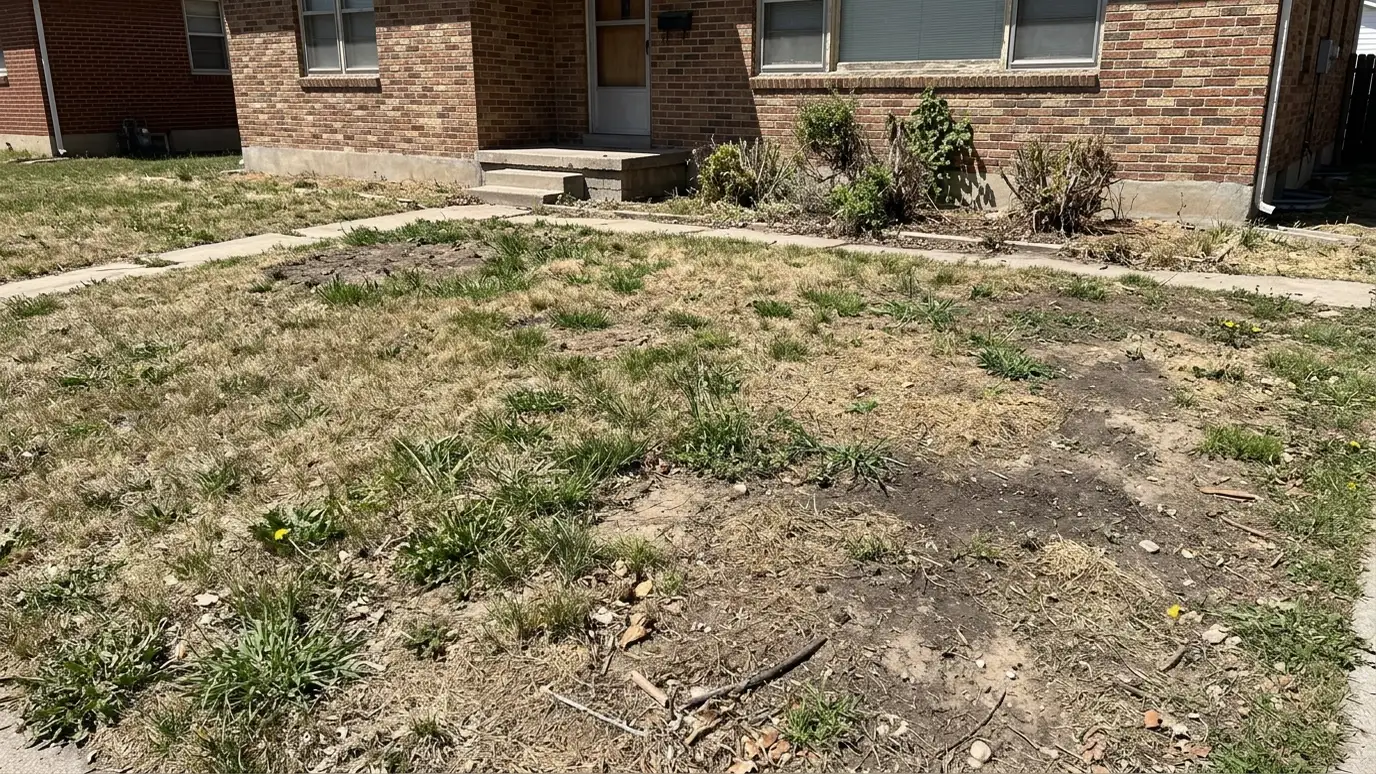 BeforeAfter
No wasted treatment.
Matches the life cycle.
Stops damage.
Fewer dug-up lawns.
Patch or reseed.
Applied safely.
Every topic has its own page with what to expect and how we approach it.
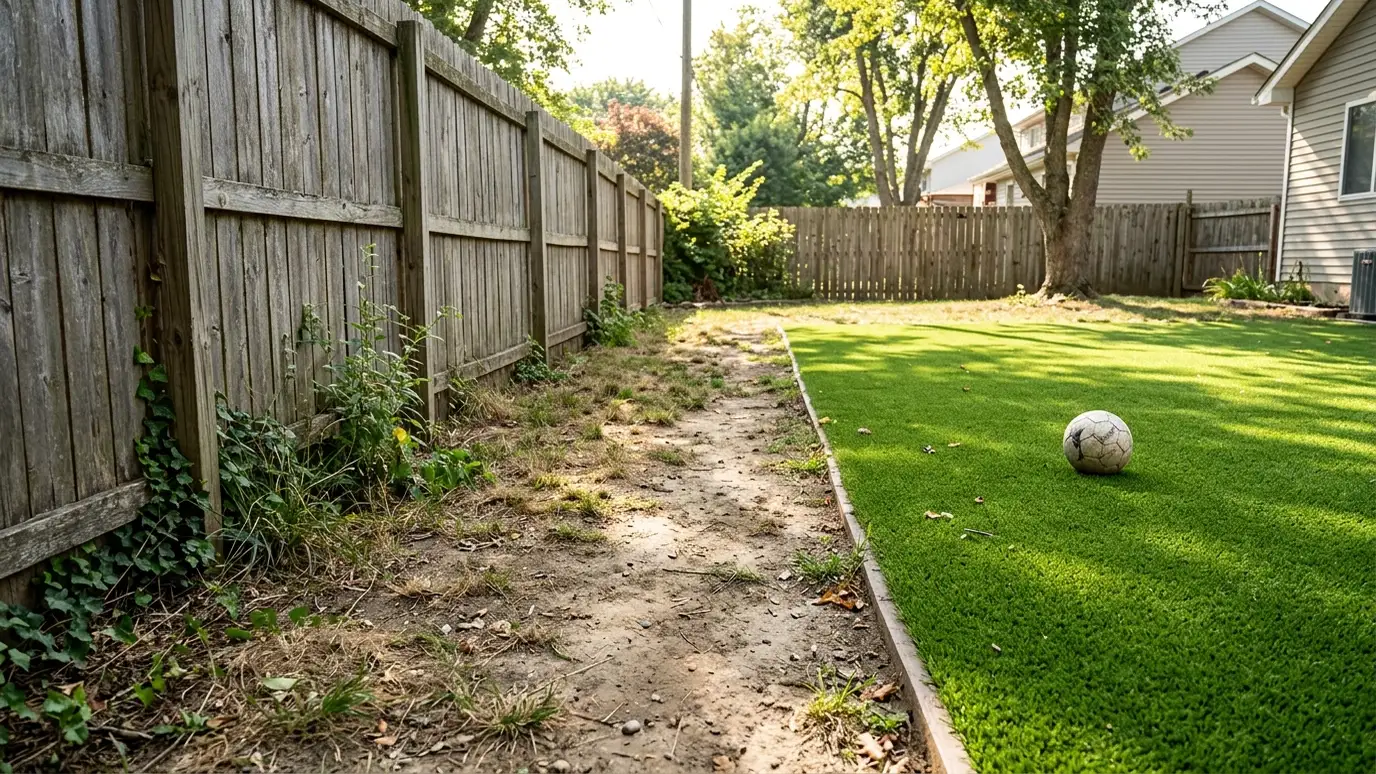 Yard situationYards with DogsDogs dig, run the fence line and burn spots with urine. Here is how to keep a good…Learn more
 Yard situationHigh Traffic YardsCookouts, parties and busy yards beat up turf. Here is how to build a lawn that takes the…Learn more
 Grass and turf guideTall FescueThe most common lawn grass in Middle Tennessee: deep green, tough, shade tolerant and a little demanding in…Learn more
Enter an area and a depth to see cubic yards of topsoil, compost or gravel to order.
You tell us about your yard and what you want, a new lawn, a fix for a worn one or a turf area, and we set a visit that fits your day.
We walk the property, measure each area, check sun, shade, soil and drainage and take photos of anything of note.
We explain your options for sod, turf or both, and give you a written scope with quantities, timing and clear pricing.
We mark utilities, remove old turf, set the grade, loosen and improve the soil and build the base before anything new goes down.
We lay sod in tight, staggered rows or install turf over a compacted stone base, with clean edges and tight seams.
We clean up, roll or brush the surface, walk you through the watering and care plan and set a reminder for your next check.
Brown patches that lift like carpet, and white C-shaped grubs in the soil, are clues. We can check for you.
If grubs have damaged your lawn before, preventive treatment in early summer is often worthwhile.
Follow the label, and keep pets off until treated areas have dried and been watered in as directed.
Moles eat grubs and worms. Reducing food sources can reduce them, though moles may also need direct control.
Often yes, with watering, fertilizer and overseeding or patching where roots are gone.
 Weed ControlPre-emergent and post-emergent weed control timed to the calendar, plus the thick lawn habits that keep weeds out.Explore
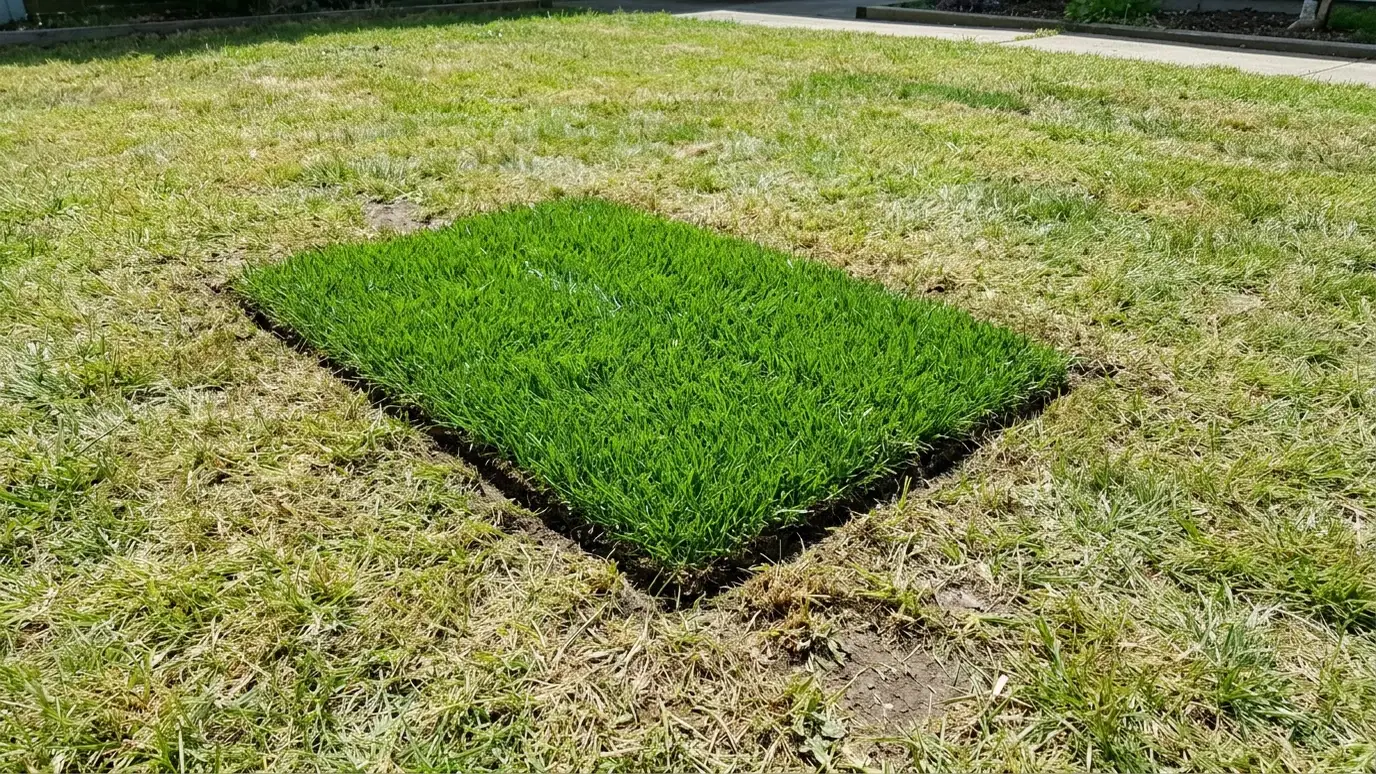 Sod RepairDead patches, pet spots, tire ruts and worn paths repaired with fresh sod that blends into the lawn…Explore
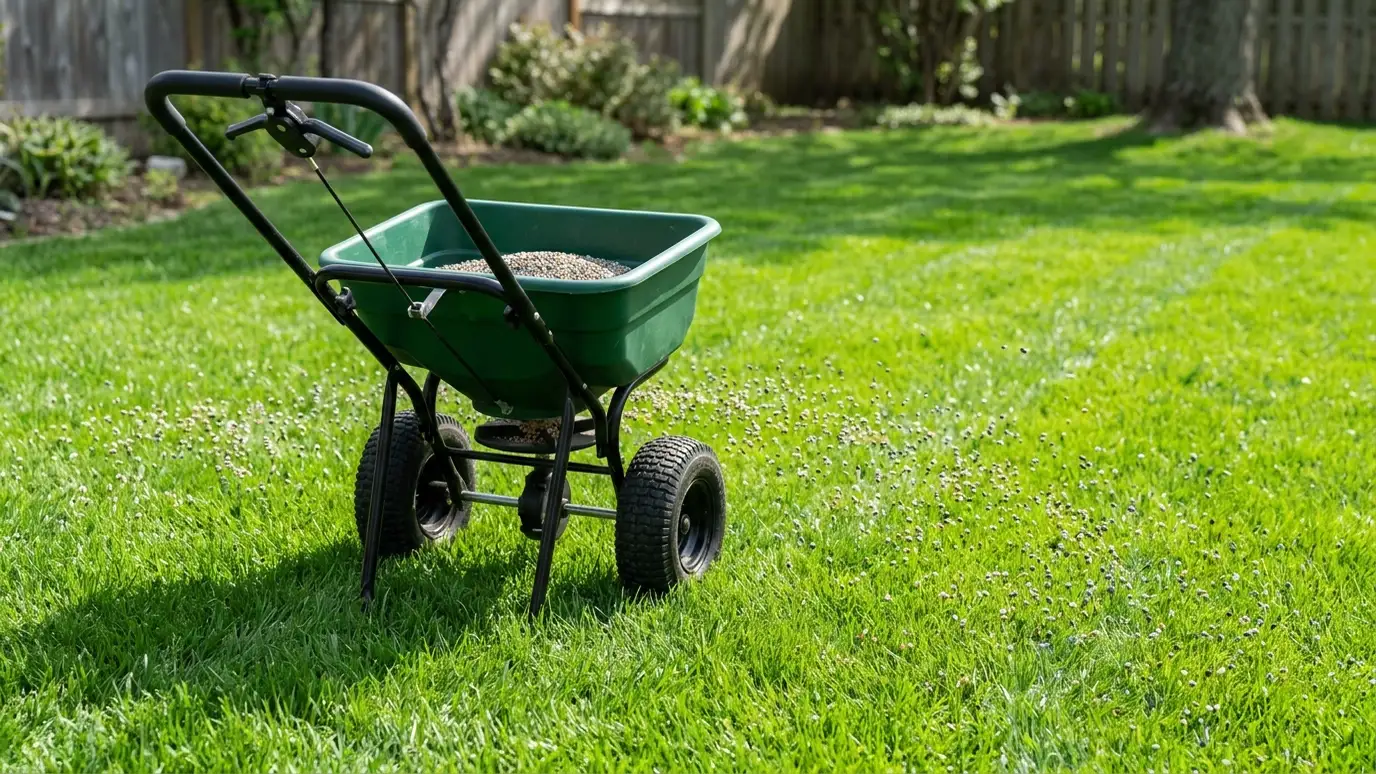 Lawn FertilizationSeasonal feeding matched to your grass and your soil test, so the lawn stays thick and green without…Explore
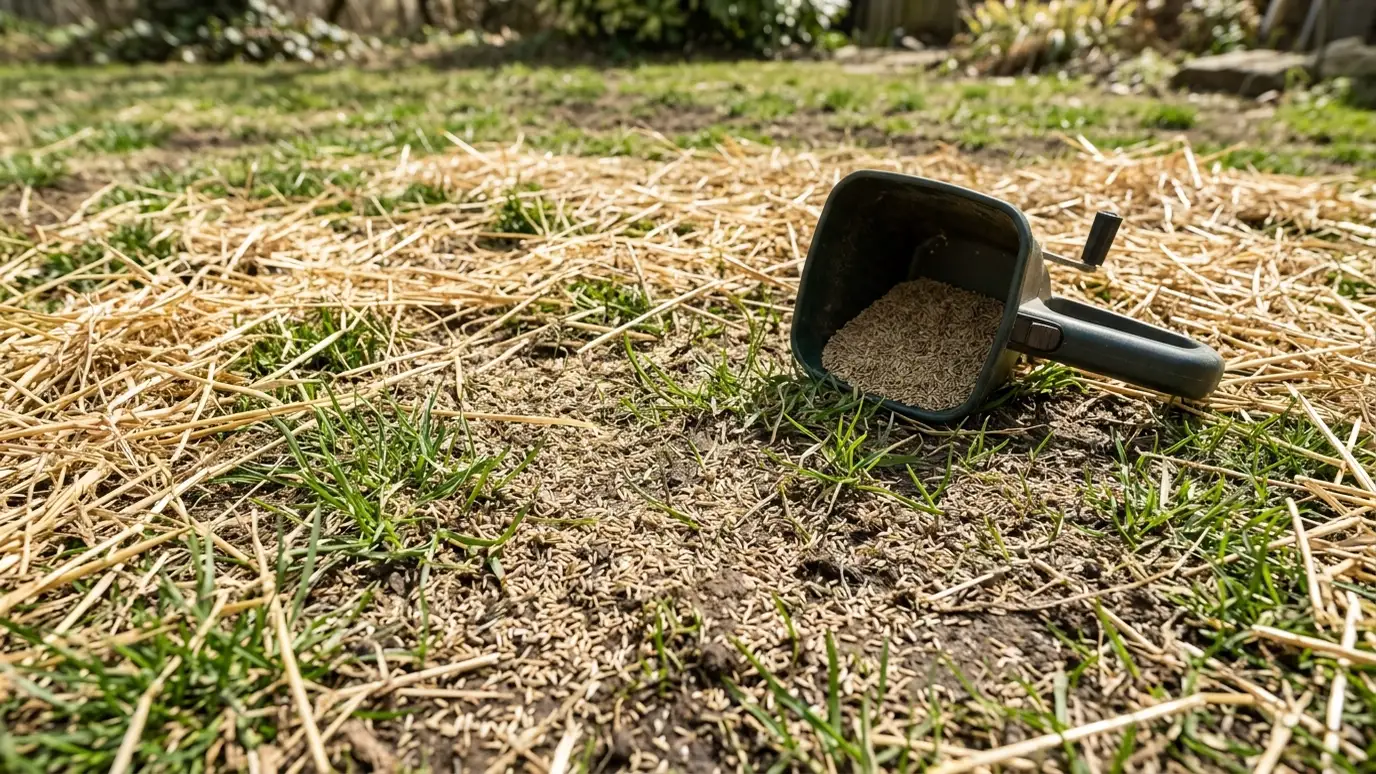 OverseedingThicken a thin lawn with fresh seed worked into the soil, the fall routine that keeps fescue dense…Explore
Tell us about the project and we will call you back to talk it through.
Or call (615) 357-7797 to talk now.