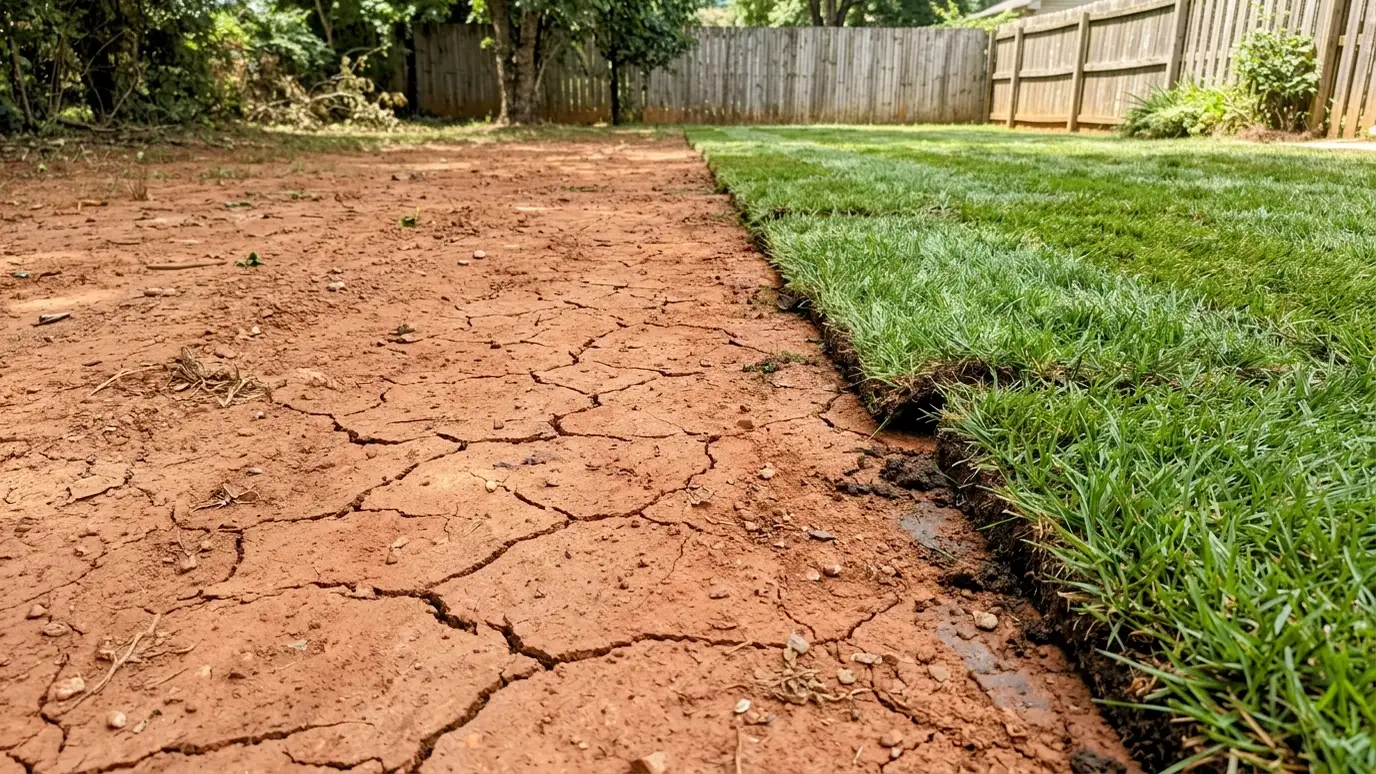
Red Tennessee clay holds water, cracks in summer and resists roots. Here is how to build a lawn that thrives on it.
Walk across a Middle Tennessee yard after a dry spell and you will see it: cracks in orange-red clay that is as hard as a brick. After rain, the same ground turns slick and stays wet for days. Clay has fine particles that pack tightly, so it holds water, resists air and makes it hard for roots to go down. Many lawn problems here are really clay problems.
The good news is that clay is rich in nutrients and responds to improvement. Aerating each year, adding compost, loosening before sod goes down and grading so water leaves the yard all make a big difference. Tall fescue handles clay better than many grasses, and deep, infrequent watering helps roots push through. A lawn on clay will never behave like one on sandy loam, but it can be thick, green and tough.
Holds water.
Break compaction.
Build structure.
Avoid puddles.
Deep roots.
Gets better over time.
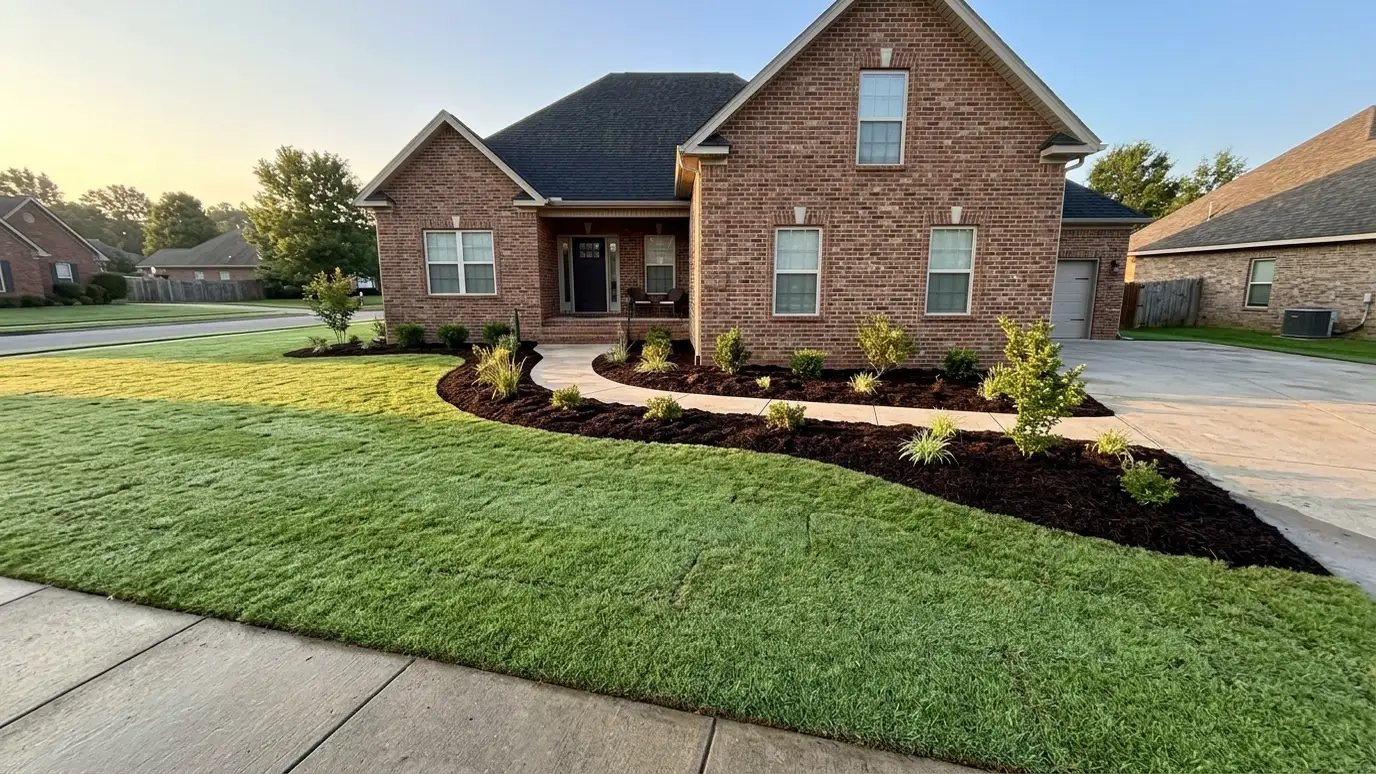 Residential SodFront yards, back yards and everything in between, a thick green lawn for your home with clean edges…Explore
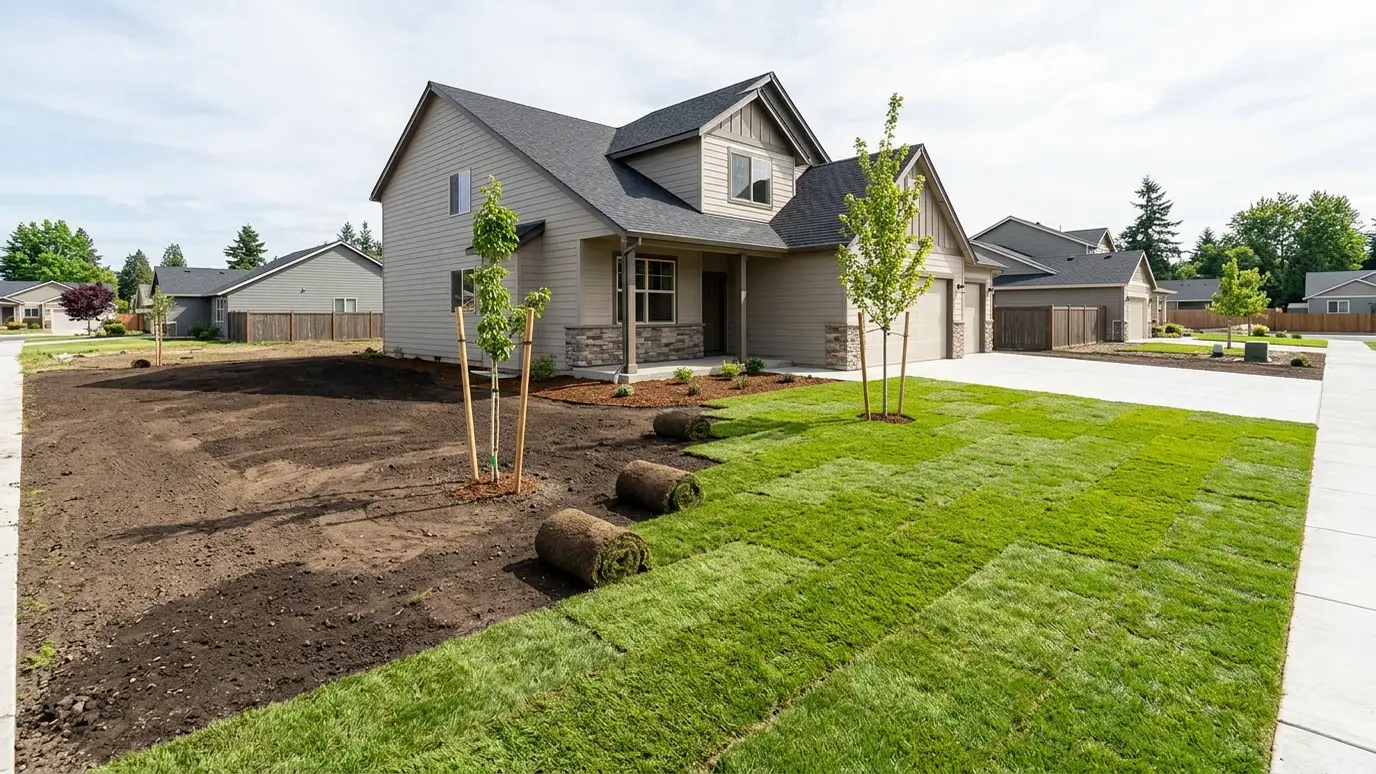 New Construction SodBuilders and new owners: graded, prepared and sodded yards that look finished at closing and hold up through…Explore
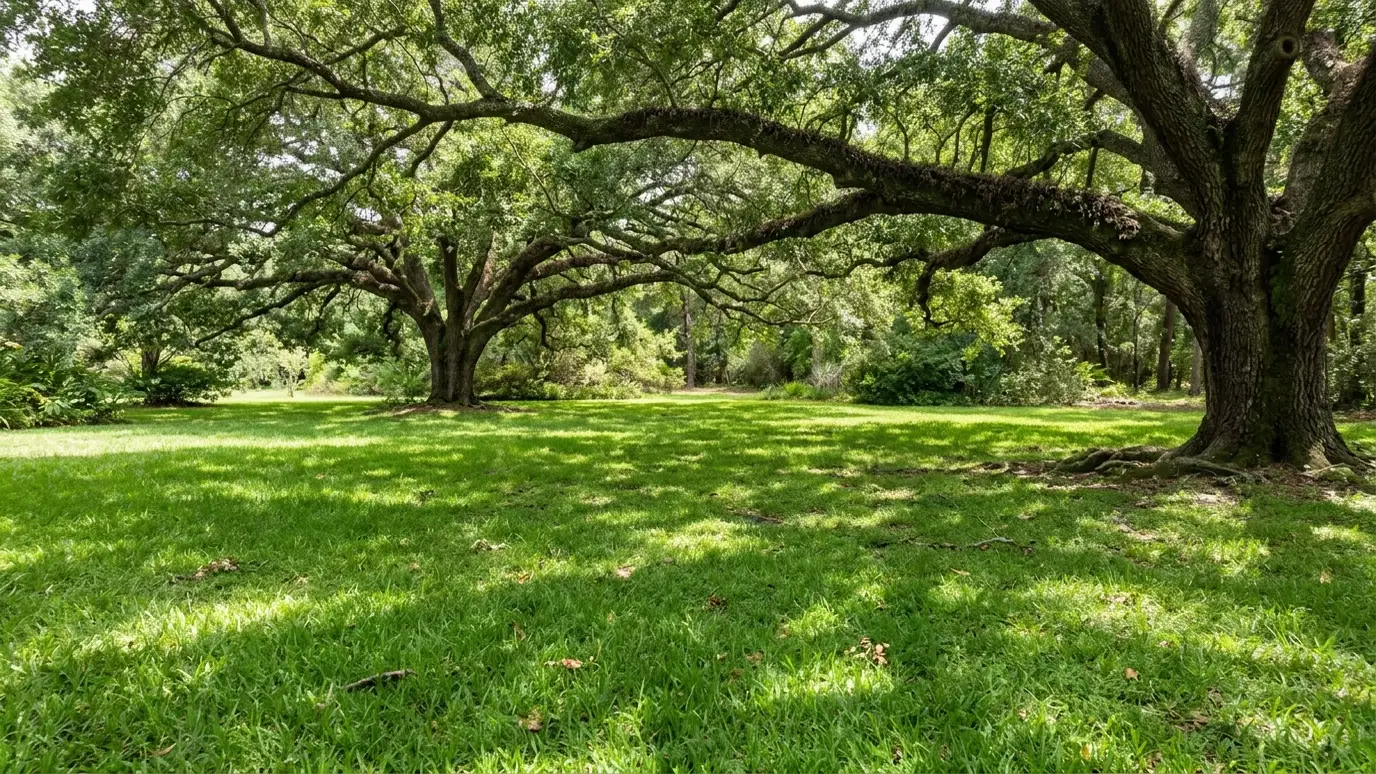 Shade SodGrass that earns its place under mature trees: the right blend, the right prep and honest expectations for…Explore
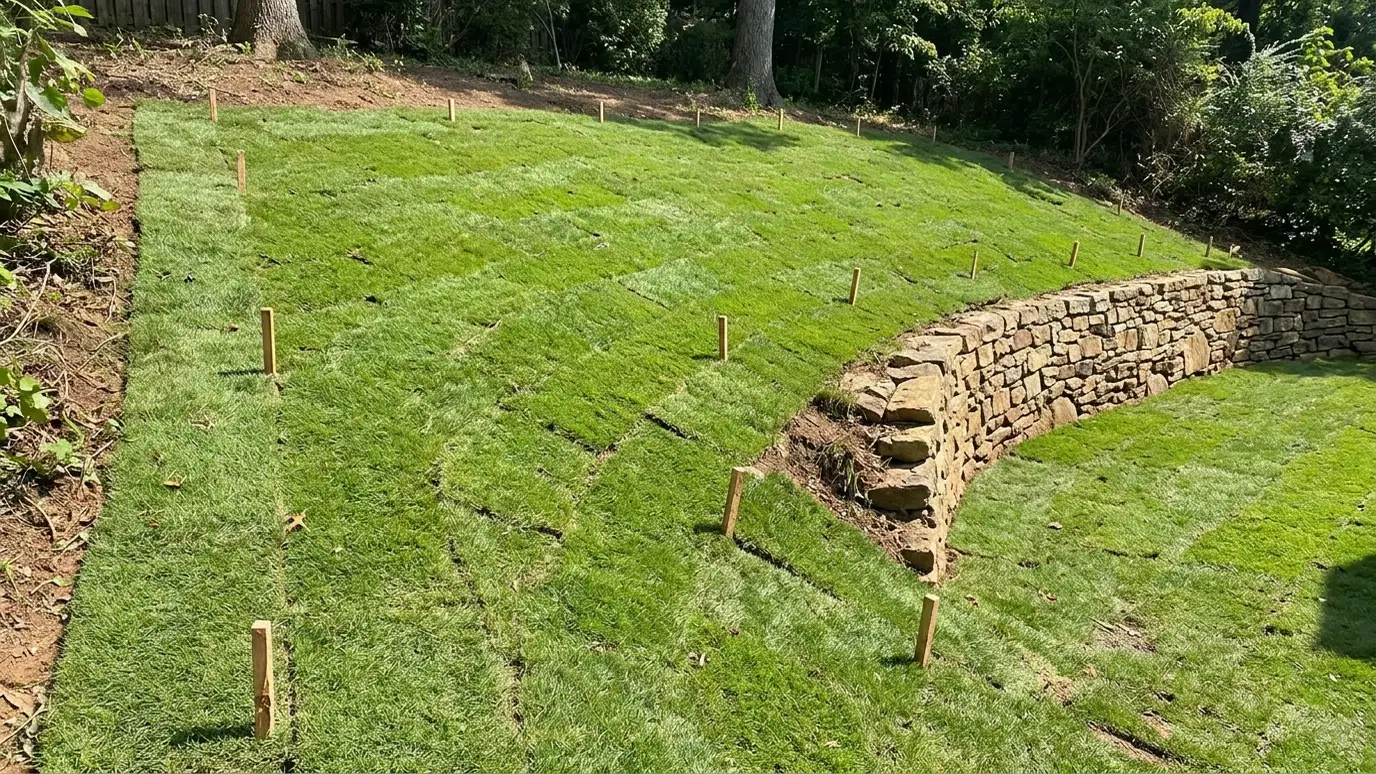 Slope and Erosion SodSod on slopes, banks and drainage swales: pinned, graded and rolled so it holds the hill instead of…Explore
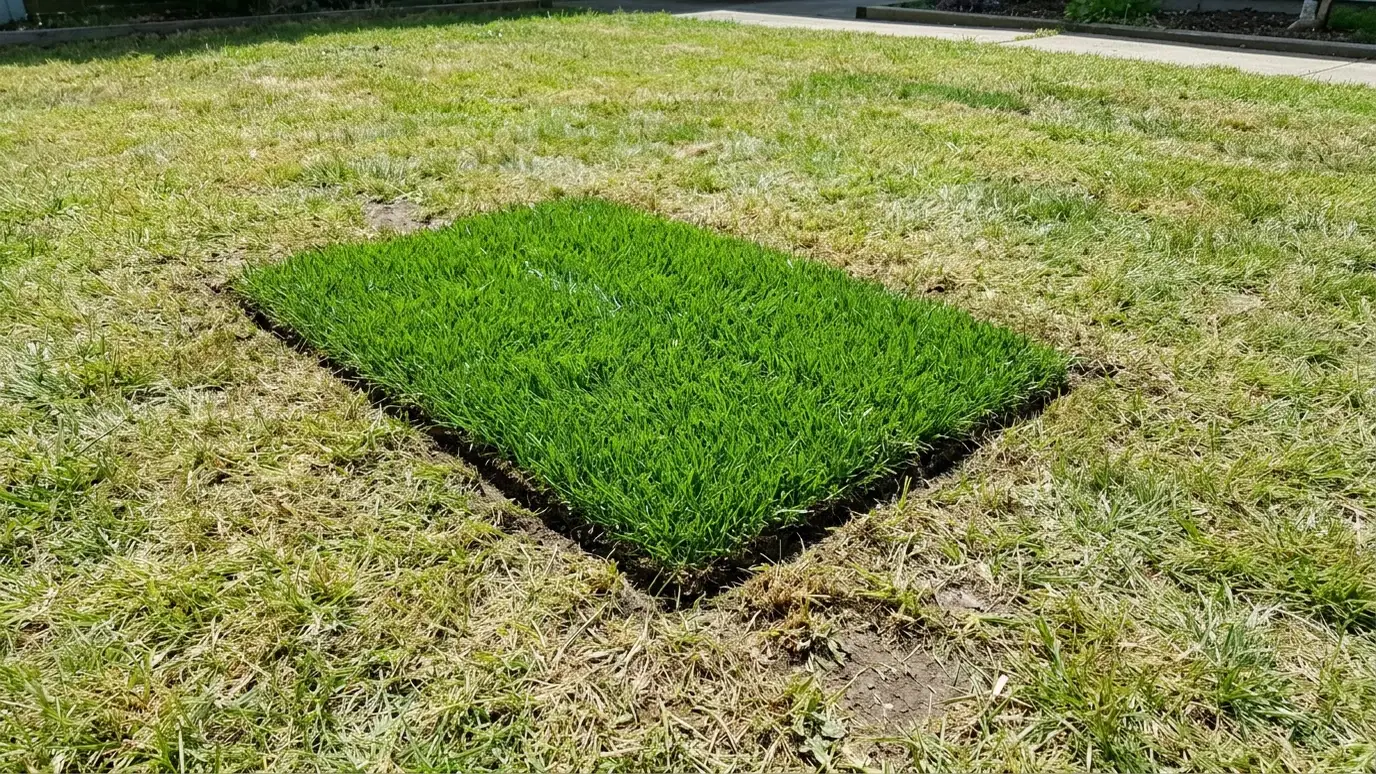 Sod RepairDead patches, pet spots, tire ruts and worn paths repaired with fresh sod that blends into the lawn…Explore
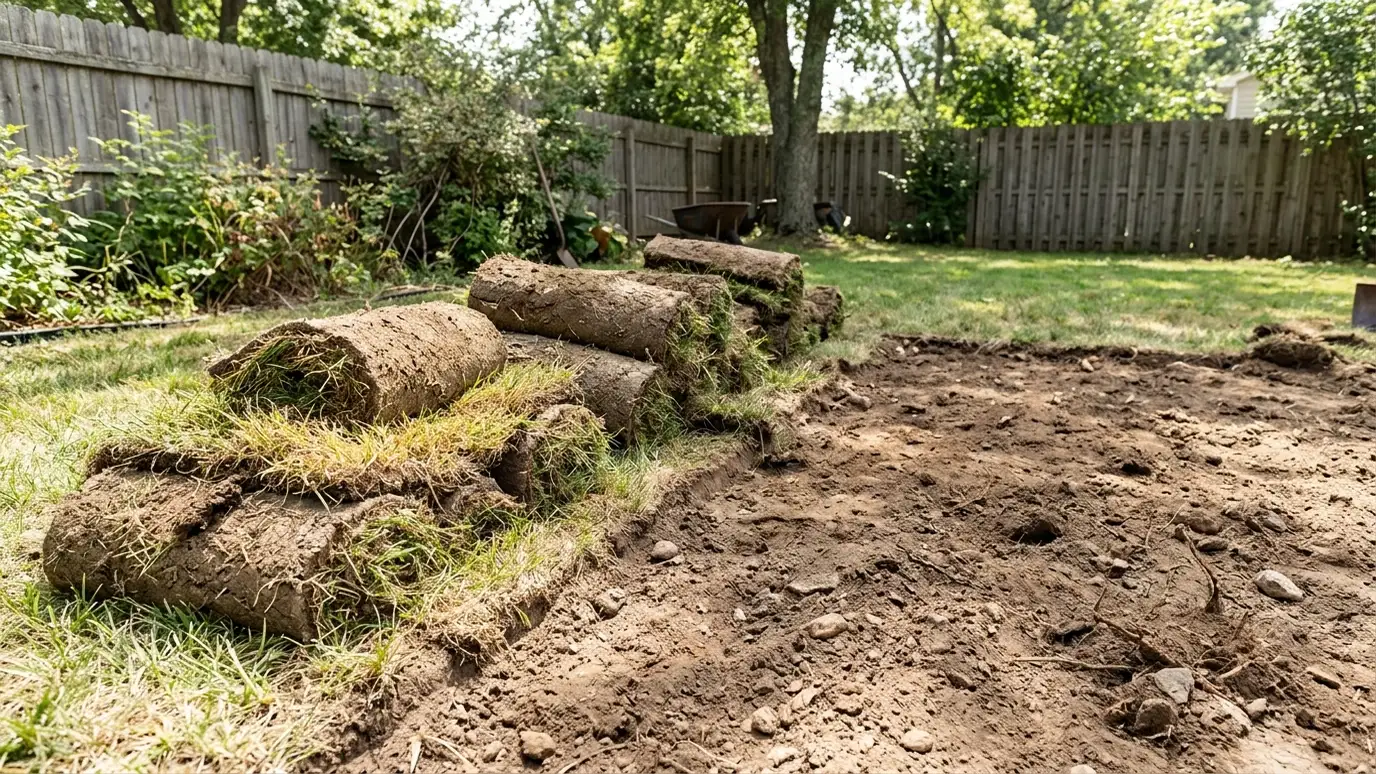 Sod RemovalOld, weedy or dead grass cut out and hauled away, leaving clean soil ready for new sod, turf…Explore
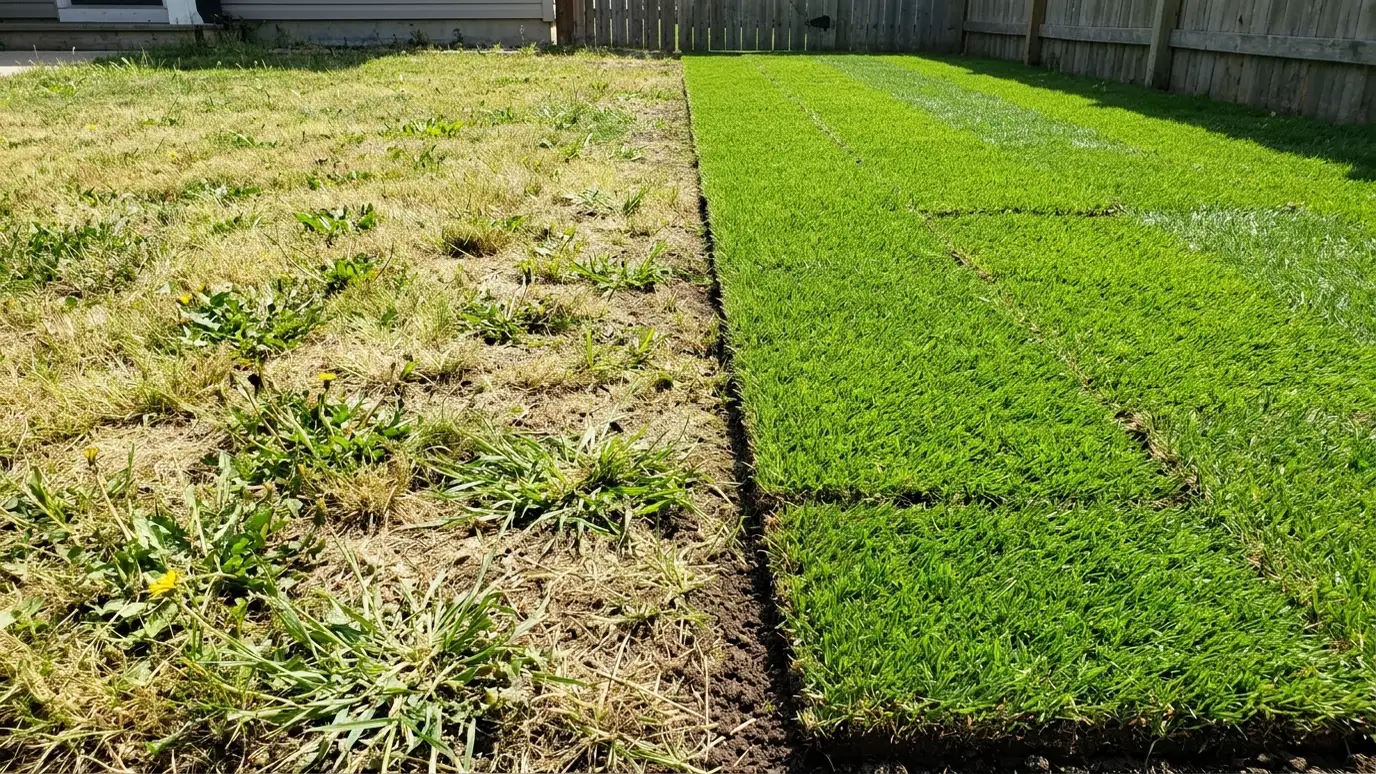 Lawn RenovationA full reset for a tired lawn: remove what is failing, fix the soil and drainage and lay…Explore
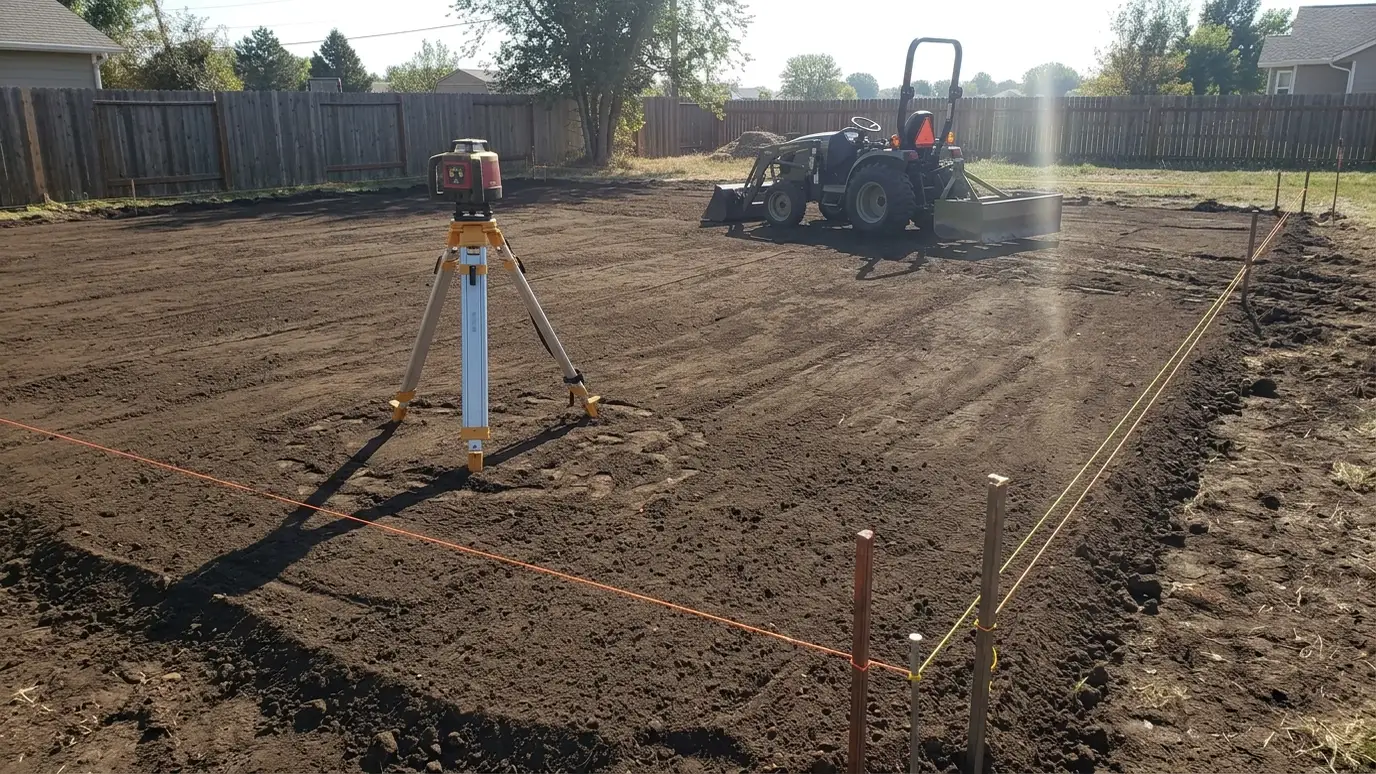 Grading and Site PrepThe foundation of a good lawn: smooth grade, correct slope, loose soil and drainage that carries water away…Explore
Take the quiz, check a problem or ballpark a budget.
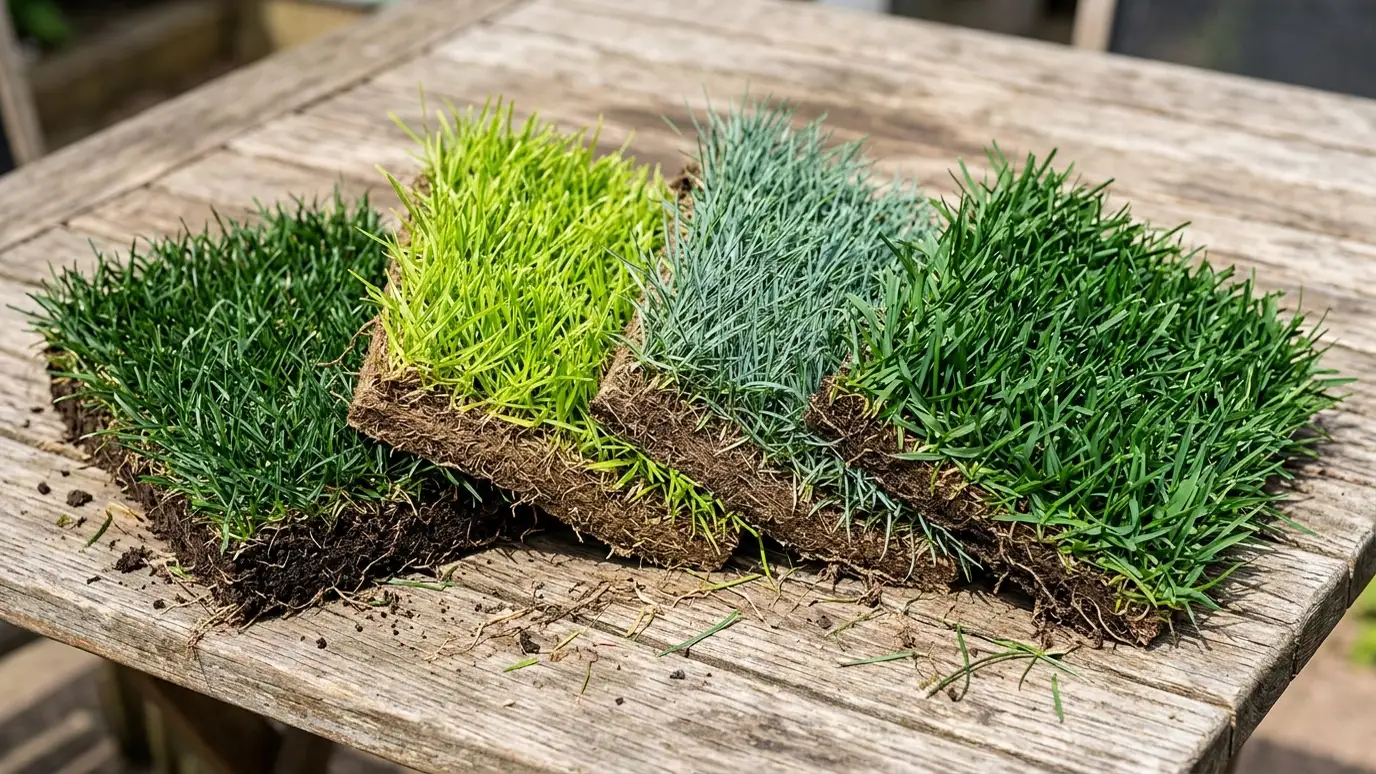 Which Grass or Turf Is Right for My Yard? QuizAnswer five questions about sun, use, pets and upkeep to see the grass or turf that fits your yard.Try it
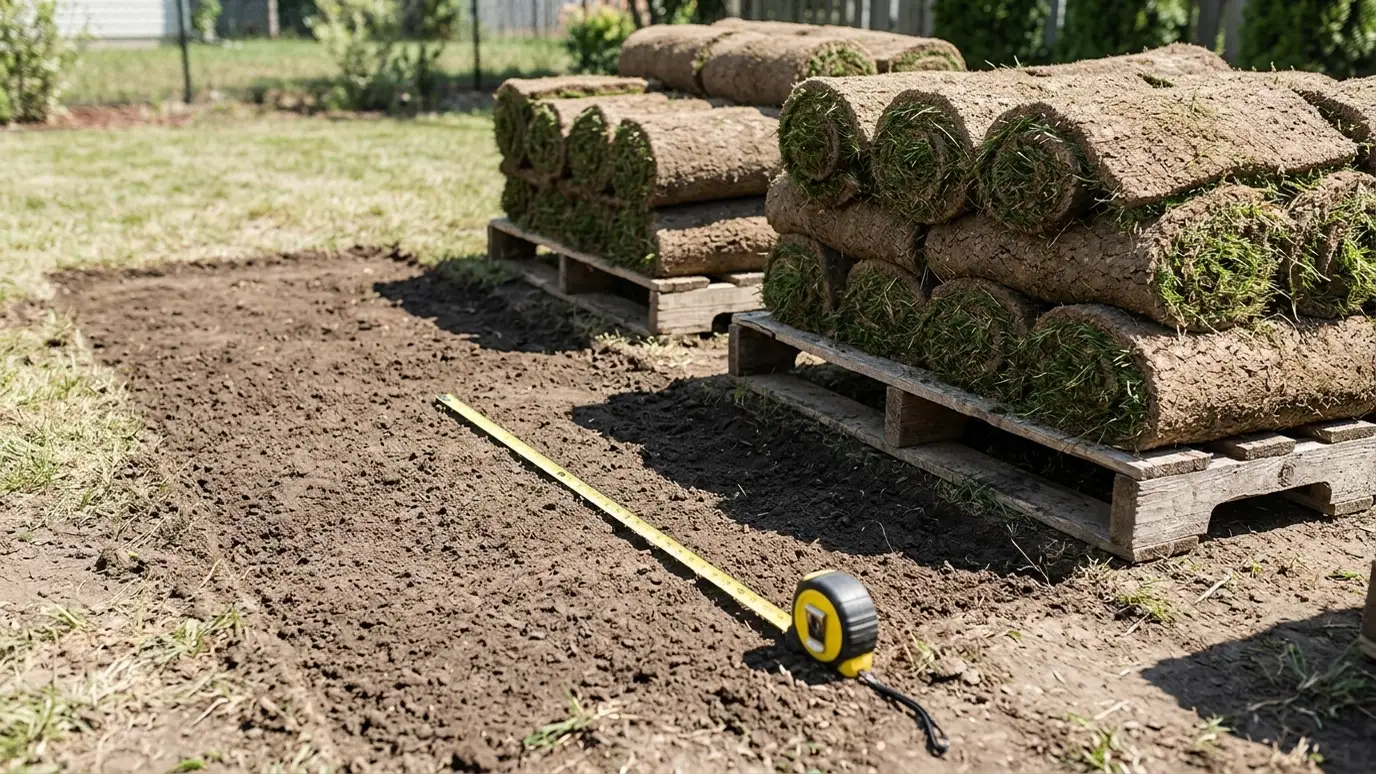 Sod Calculator: How Much Sod Do I Need?Enter the length and width of each lawn area to see the square feet, the pallets and rolls to order and a sensible waste allowance.Try it
 Sod and Turf Budget PlannerPick a project and a size and get a ballpark planning range.Try it
Yes, with preparation. Aeration, compost and the right grass produce good lawns on clay.
Not usually. Sand mixed into clay can make it harder. Compost and organic matter are a better fix.
Once a year for most clay lawns, in early fall for fescue.
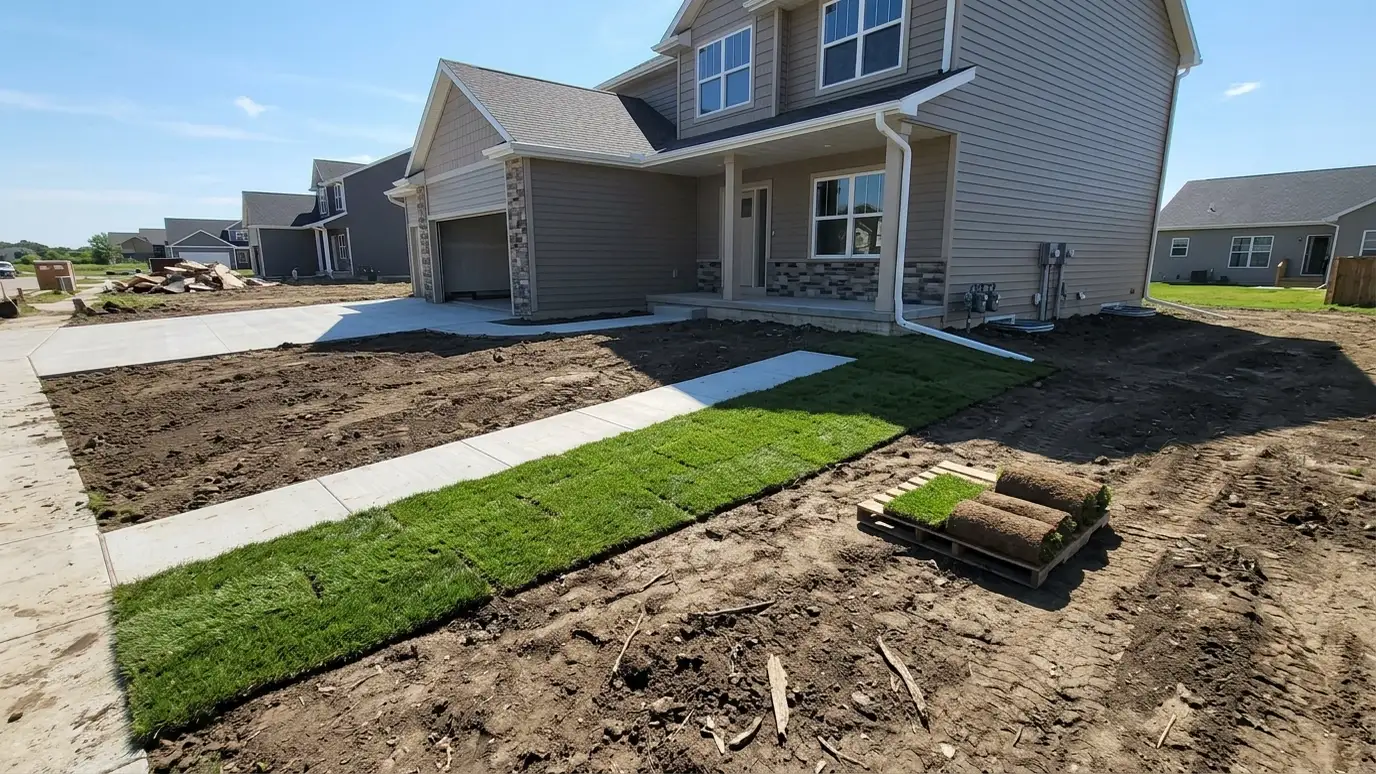 Yard situationNew Construction LawnsA new home sits on raw, compacted ground. Here is how to turn it into a lawn that…Learn more
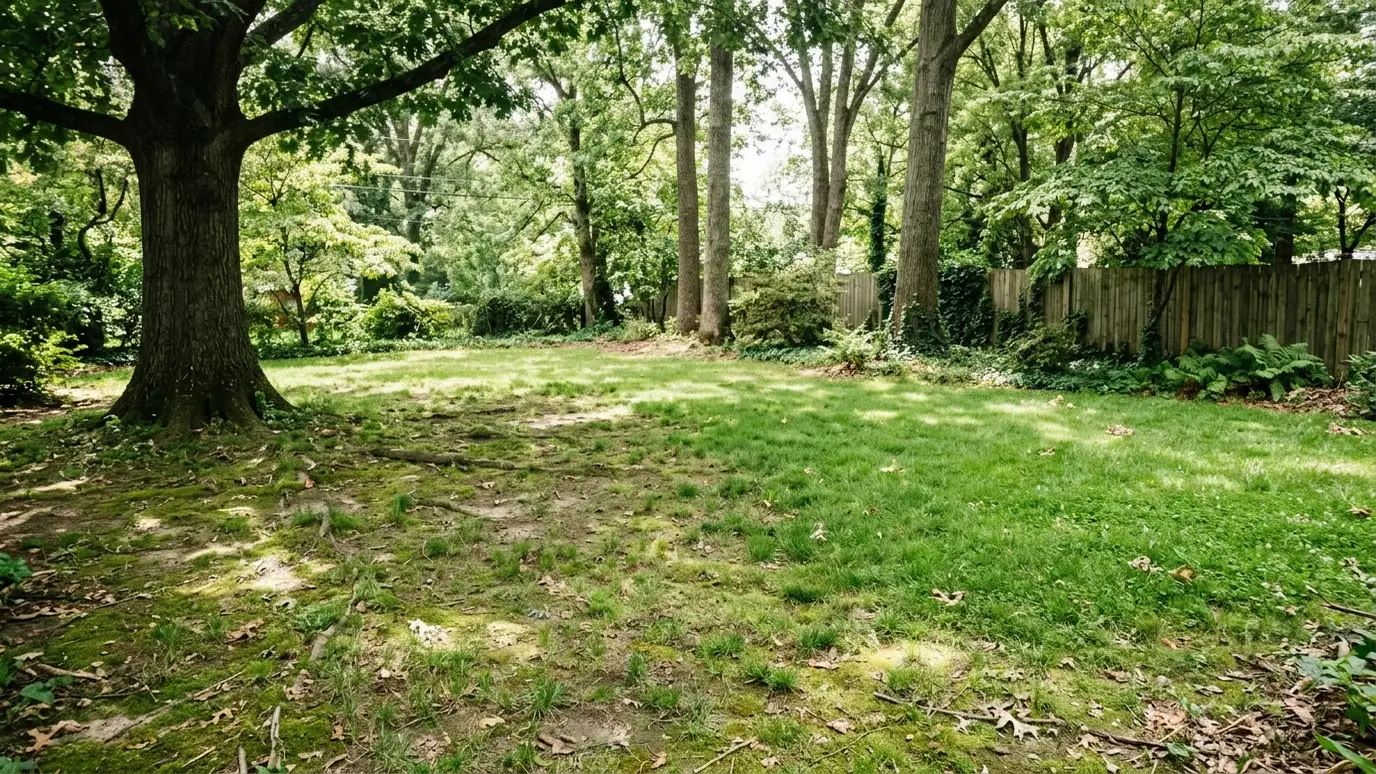 Yard situationShady YardsMature trees make Nashville neighborhoods beautiful and lawns difficult. Here is what grows in the shade and what…Learn more
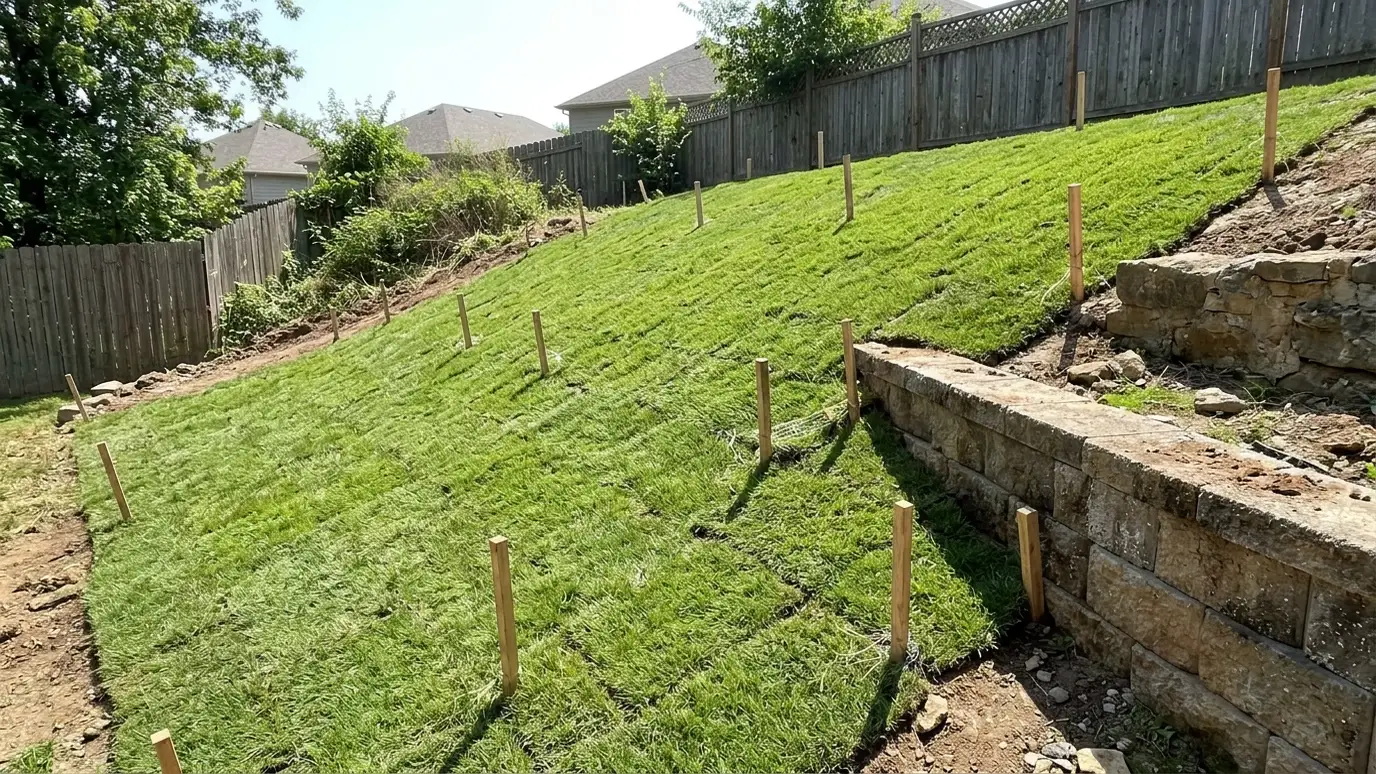 Yard situationSlopes and HillsidesHills are everywhere in Middle Tennessee. Here is how to hold a slope with grass, and when you…Learn more
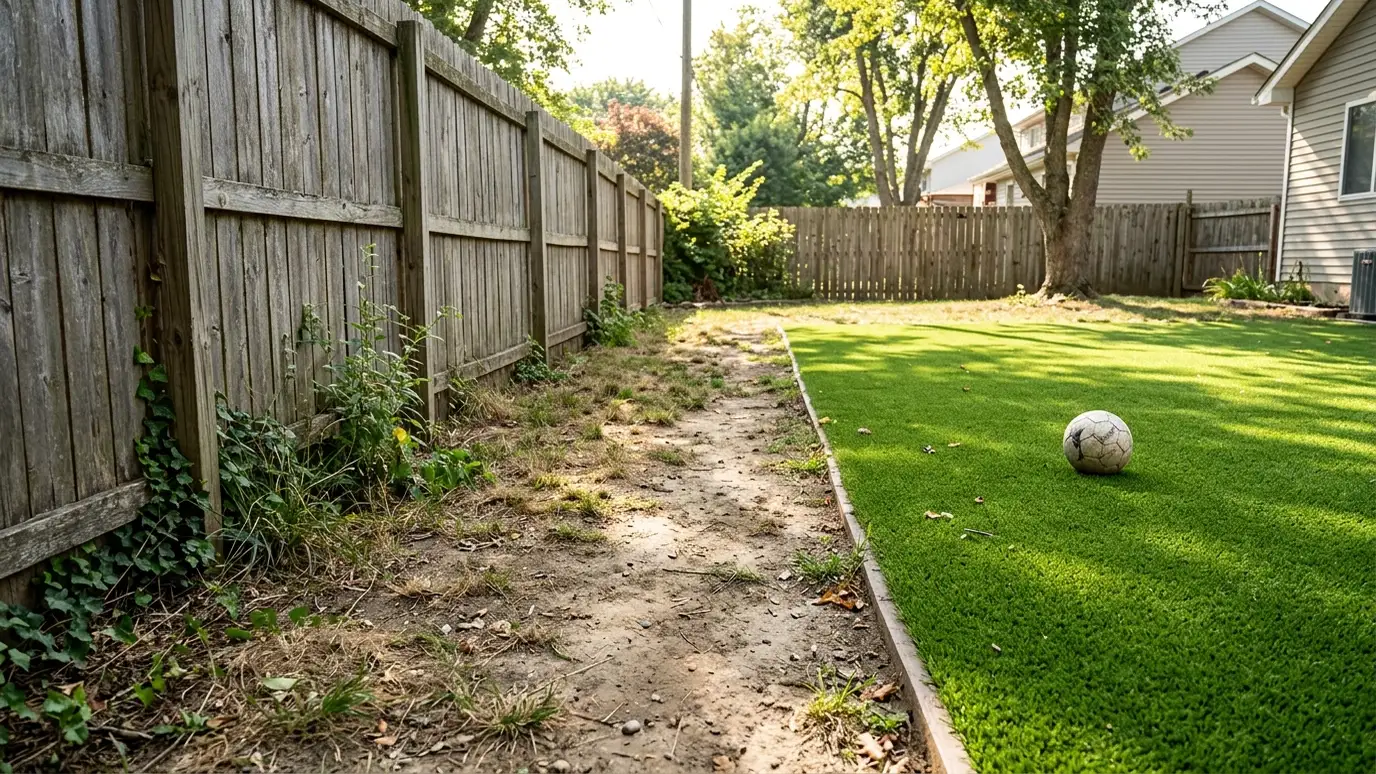 Yard situationYards with DogsDogs dig, run the fence line and burn spots with urine. Here is how to keep a good…Learn more
Call us and we will visit, measure your yard and give you a clear plan and a written scope for sod, artificial turf or both.