What clay does to a lawn
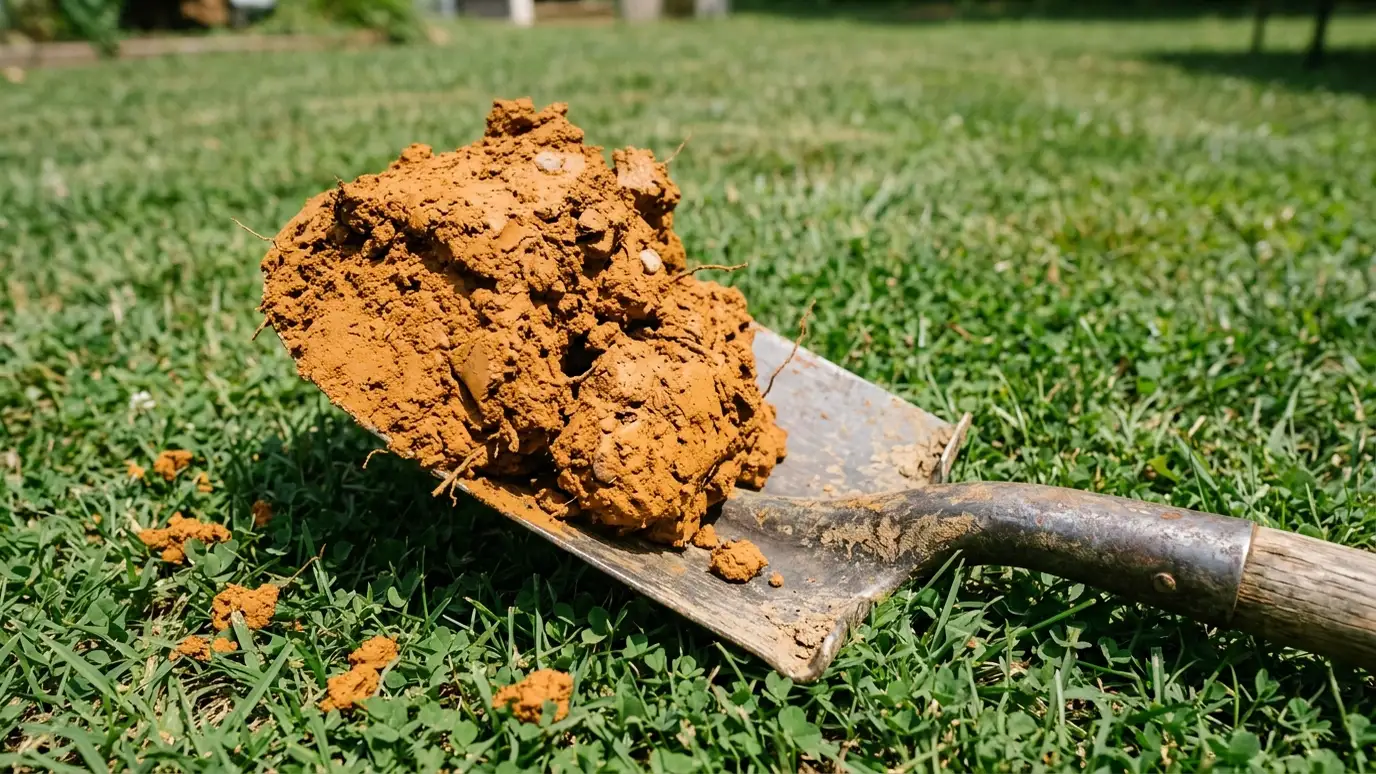
Clay particles are tiny and pack tightly, so water drains slowly and air has a hard time getting in. Roots struggle to push through. In a wet spell the ground is slick and soggy, and in a dry spell it bakes hard and cracks.
That is why many Middle Tennessee lawns are thin despite plenty of care.
The upside
Clay holds nutrients well and stores water. When it is improved, it can grow excellent lawns. The key is improving structure, not replacing the soil.
Small improvements add up over a few seasons.
Aerate every year
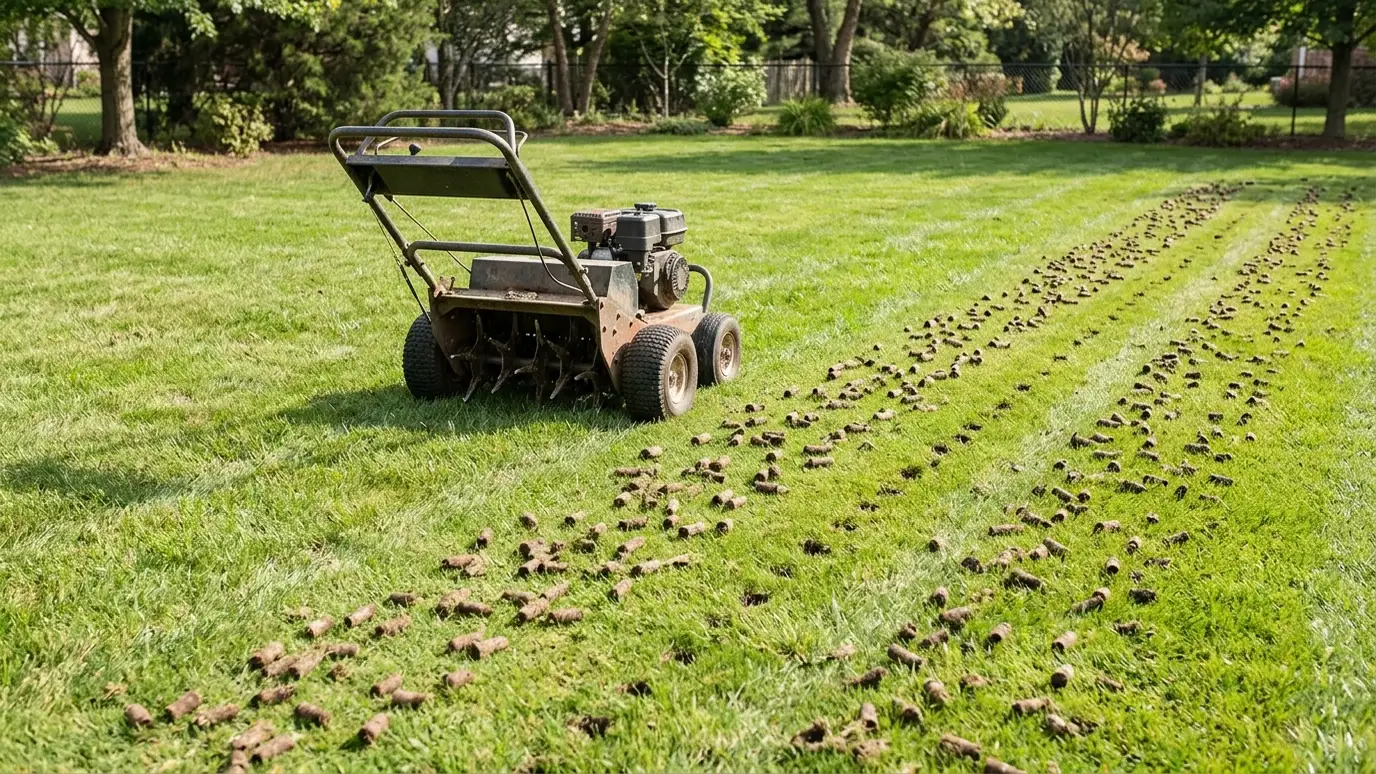
Core aeration pulls plugs and opens channels. For clay, an annual aeration in early fall for fescue, and late spring for warm-season grasses, is one of the best things you can do.
Pair it with overseeding for a thicker lawn.
Add organic matter
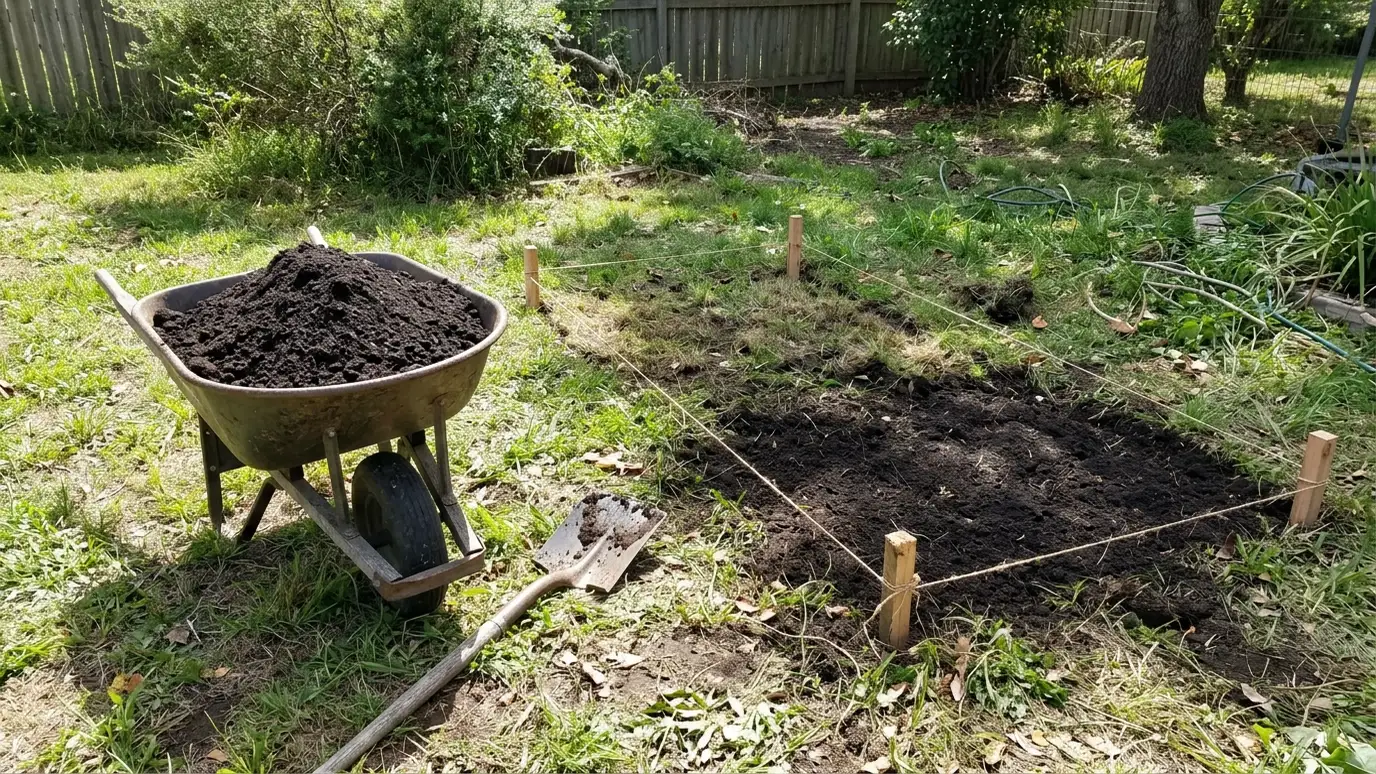
Compost spread thinly over the lawn, or blended into the soil before sodding, improves structure over time. Avoid adding sand to clay, which can create a harder, concrete-like mix.
Organic matter is the answer.
Grade for drainage
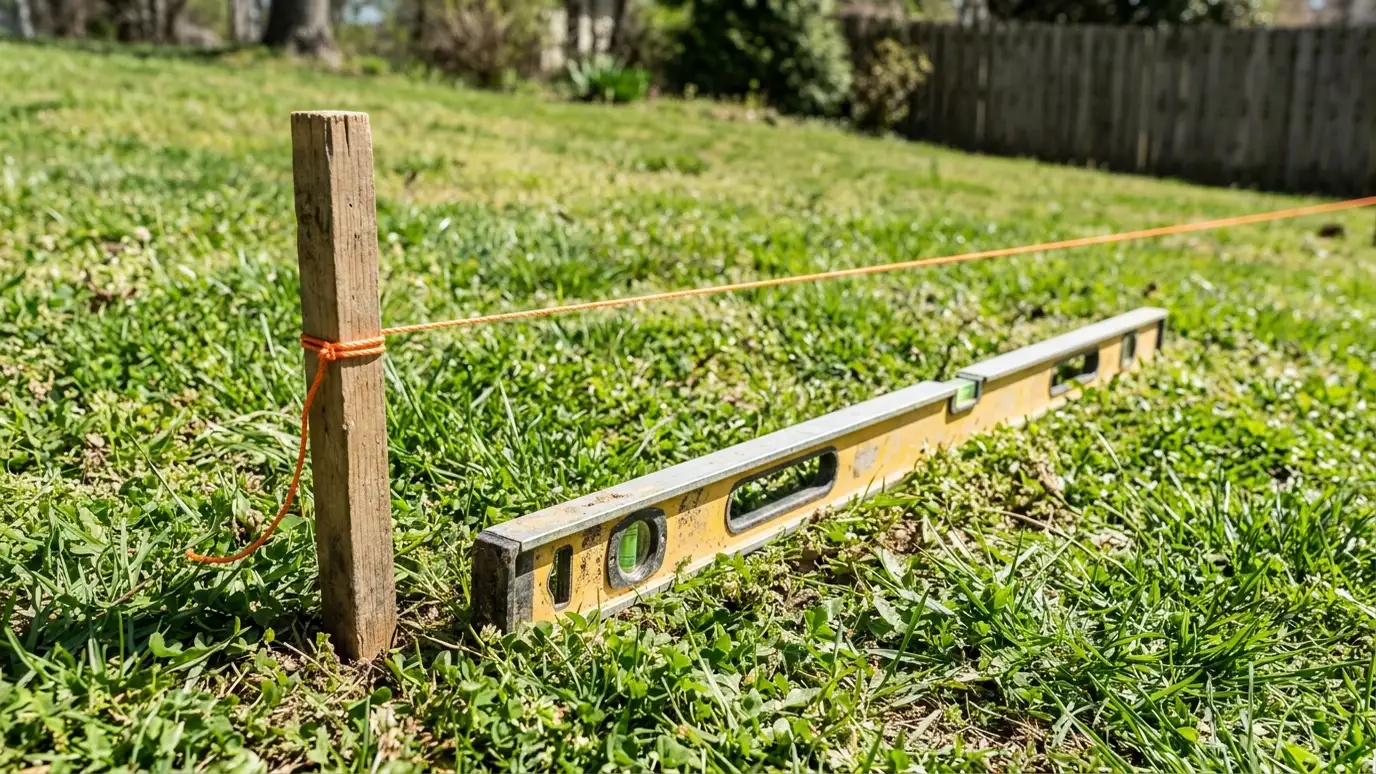
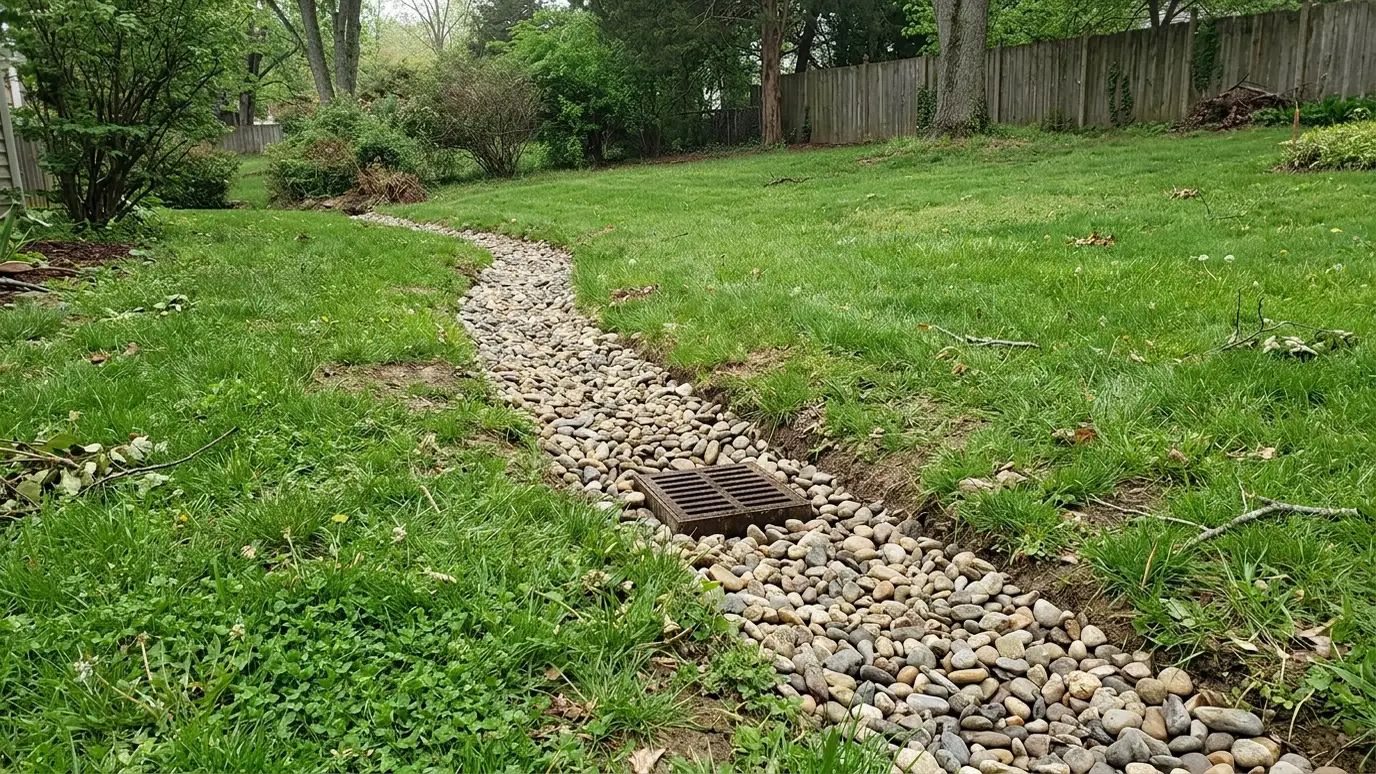
Clay needs a path for water. Good grade, French drains for wet areas and downspout extensions keep the lawn from sitting in water.
Do not leave low spots to fill on their own.
Water deep, not often
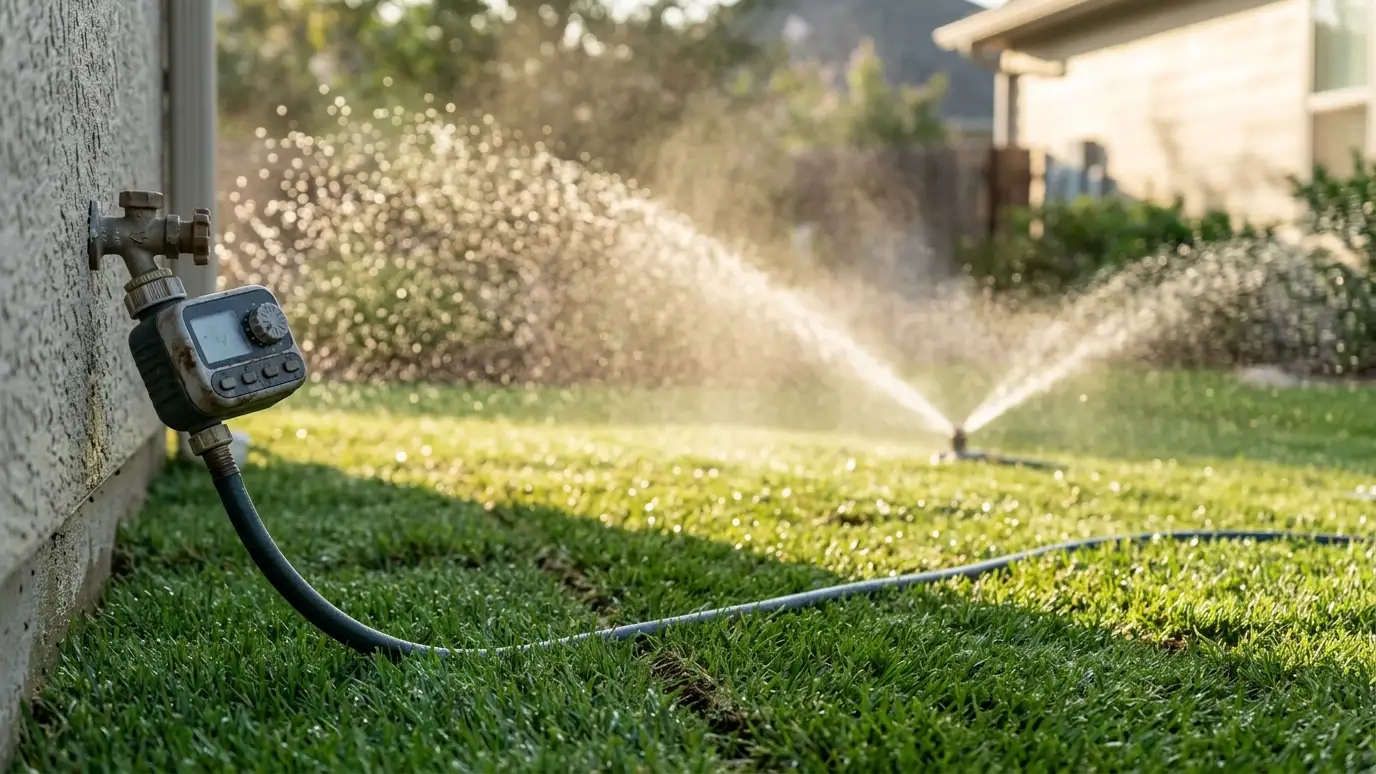
Clay holds water, so frequent shallow watering keeps the surface wet and roots shallow. Deep, infrequent watering trains roots downward. Use a screwdriver test to check how deep the water reached.
Tall fescue and zoysia cope well with clay.
Aerate, add compost, fix drainage and water deeply, and clay becomes a good lawn soil.