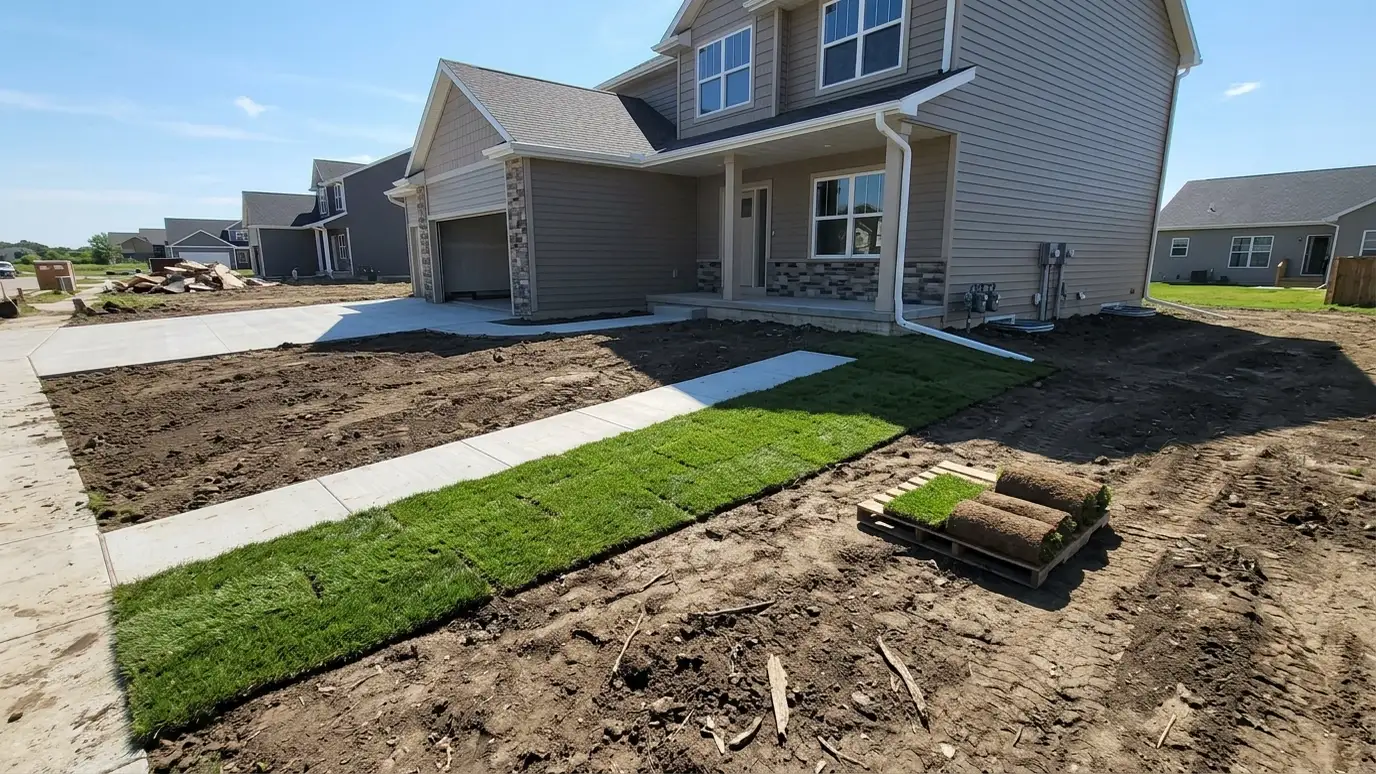
A new home sits on raw, compacted ground. Here is how to turn it into a lawn that lasts, starting below the surface.
A new house comes with a yard that has been through a lot. Heavy equipment compacted the soil, topsoil was scraped away or buried, rock and wood scraps are mixed into the fill and the grade was set to get the house built, not to grow grass. Dropping sod onto that is a recipe for yellow patches, wet corners and disappointment.
The fix is not complicated, but it must come first: set the final grade so water leaves the house, loosen the compaction, clear out the debris, bring in topsoil where it is thin and then lay sod. A new lawn that starts with this preparation roots faster, handles storms better and costs far less to keep up over the years. We work with owners and builders to get the details right.
Loosen before sod.
Slope from the house.
Add what is missing.
Test with real rain.
Instant coverage.
Closing ready.
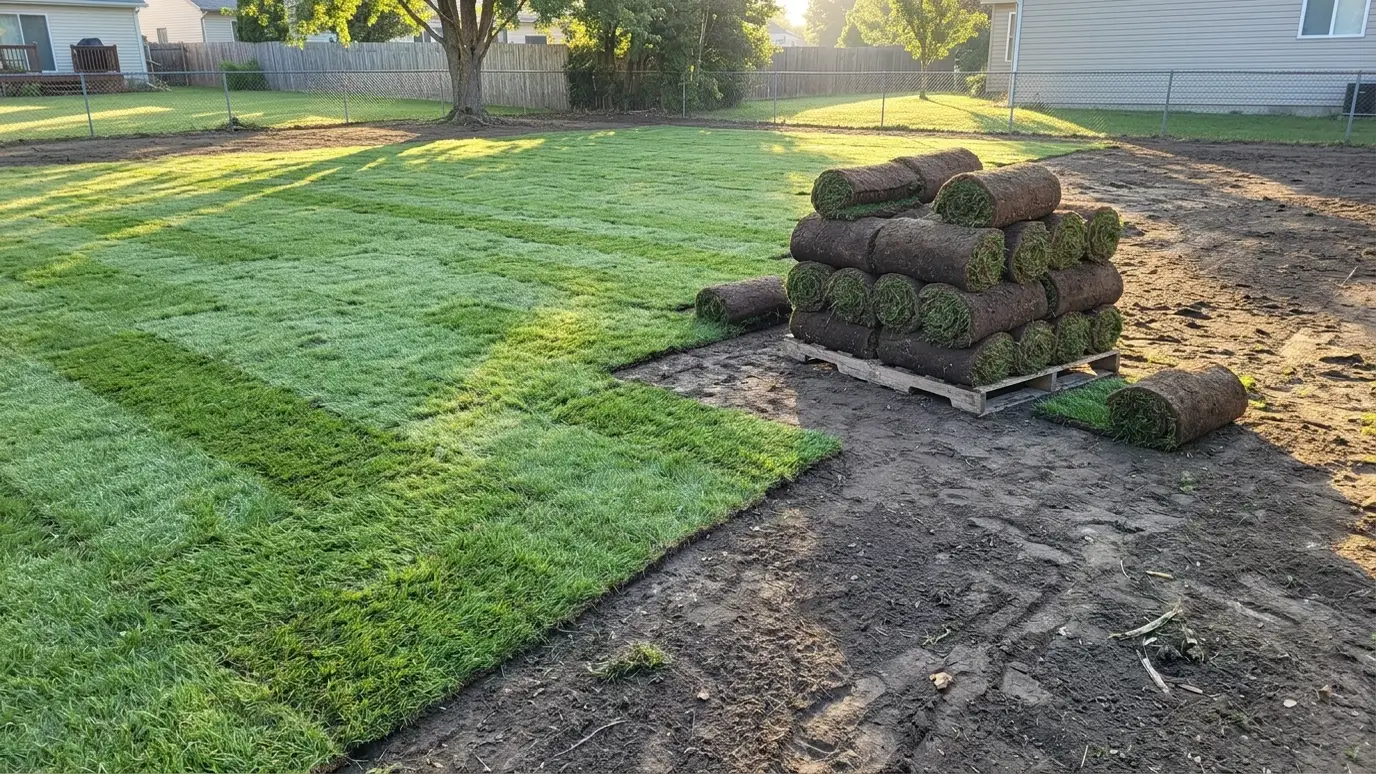 Sod InstallationInstant lawn, done right: we prepare the soil, lay fresh sod in tight rows and roll it so…Explore
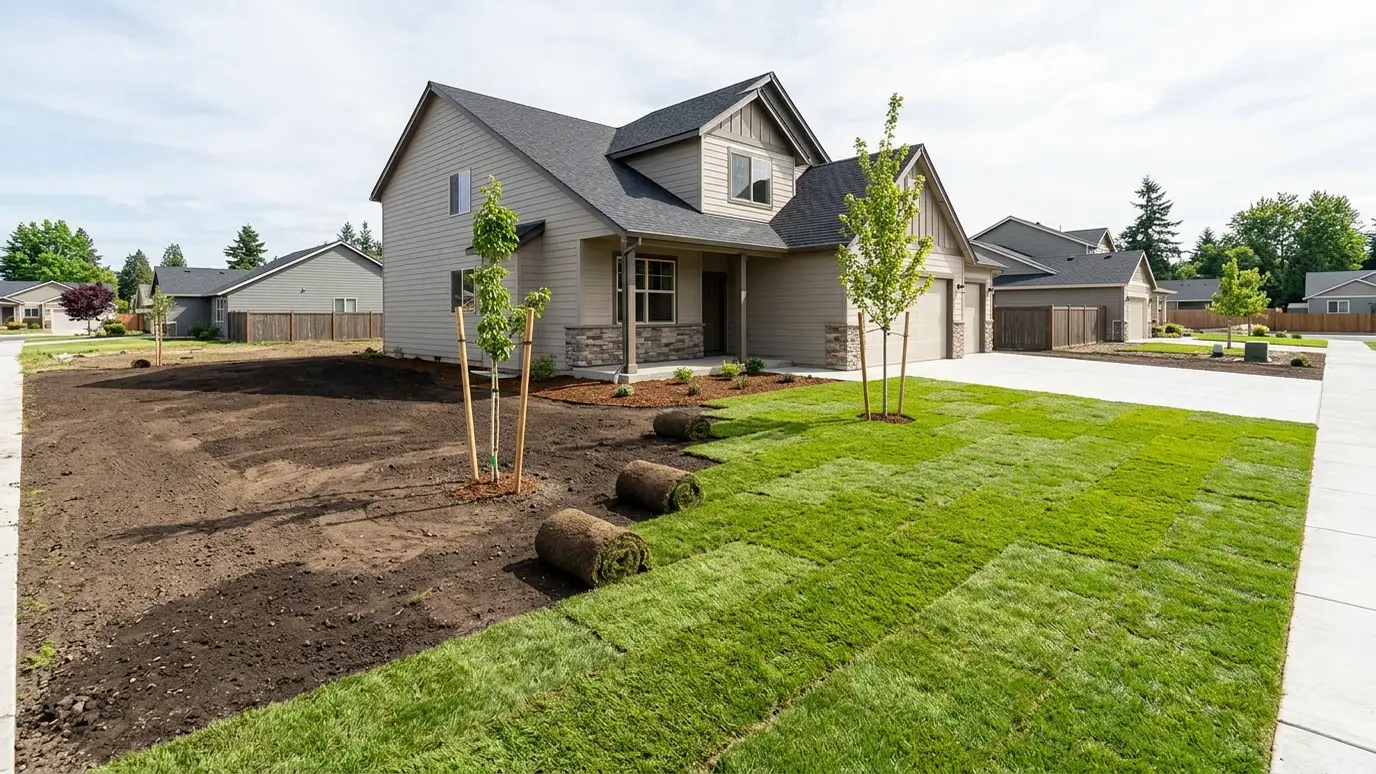 New Construction SodBuilders and new owners: graded, prepared and sodded yards that look finished at closing and hold up through…Explore
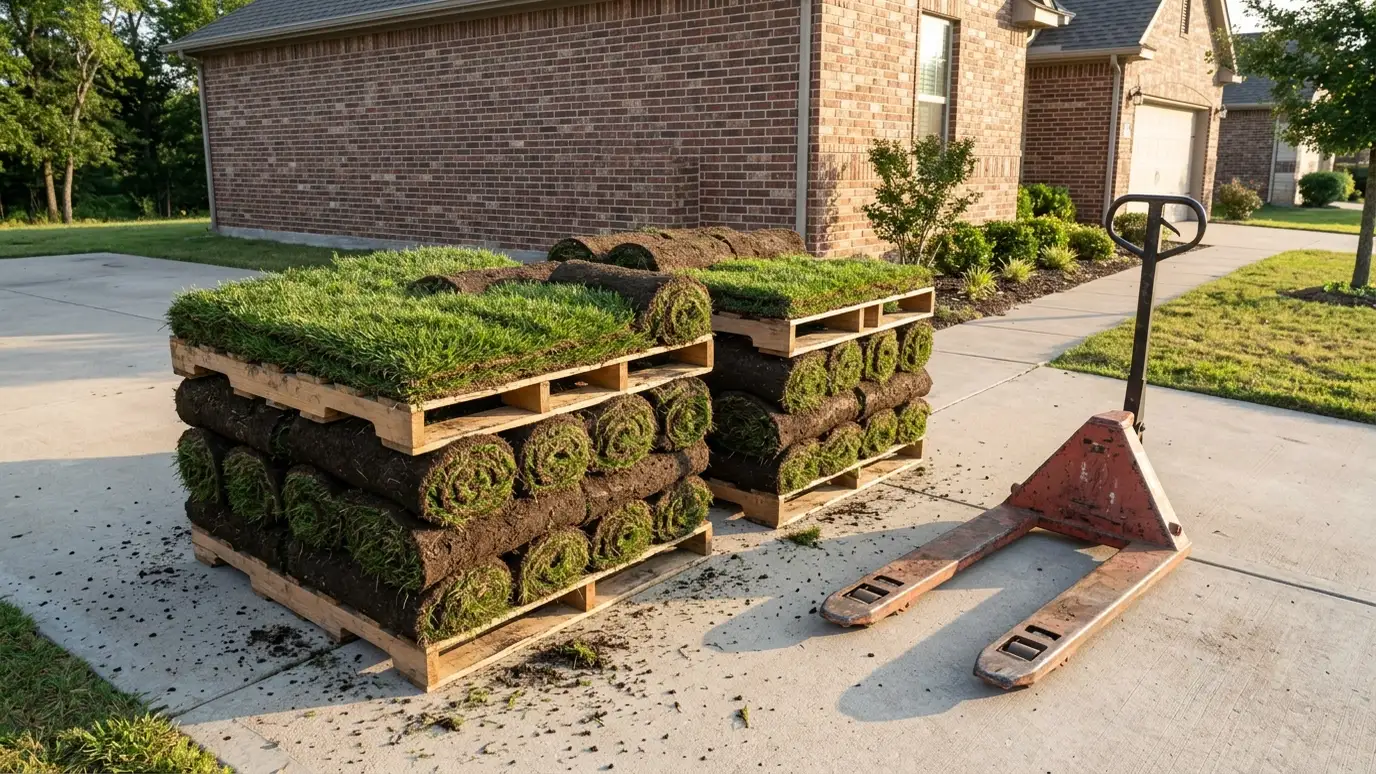 Sod DeliveryFresh sod delivered by the pallet for do-it-yourselfers, contractors and landscapers, with real advice on how much to…Explore
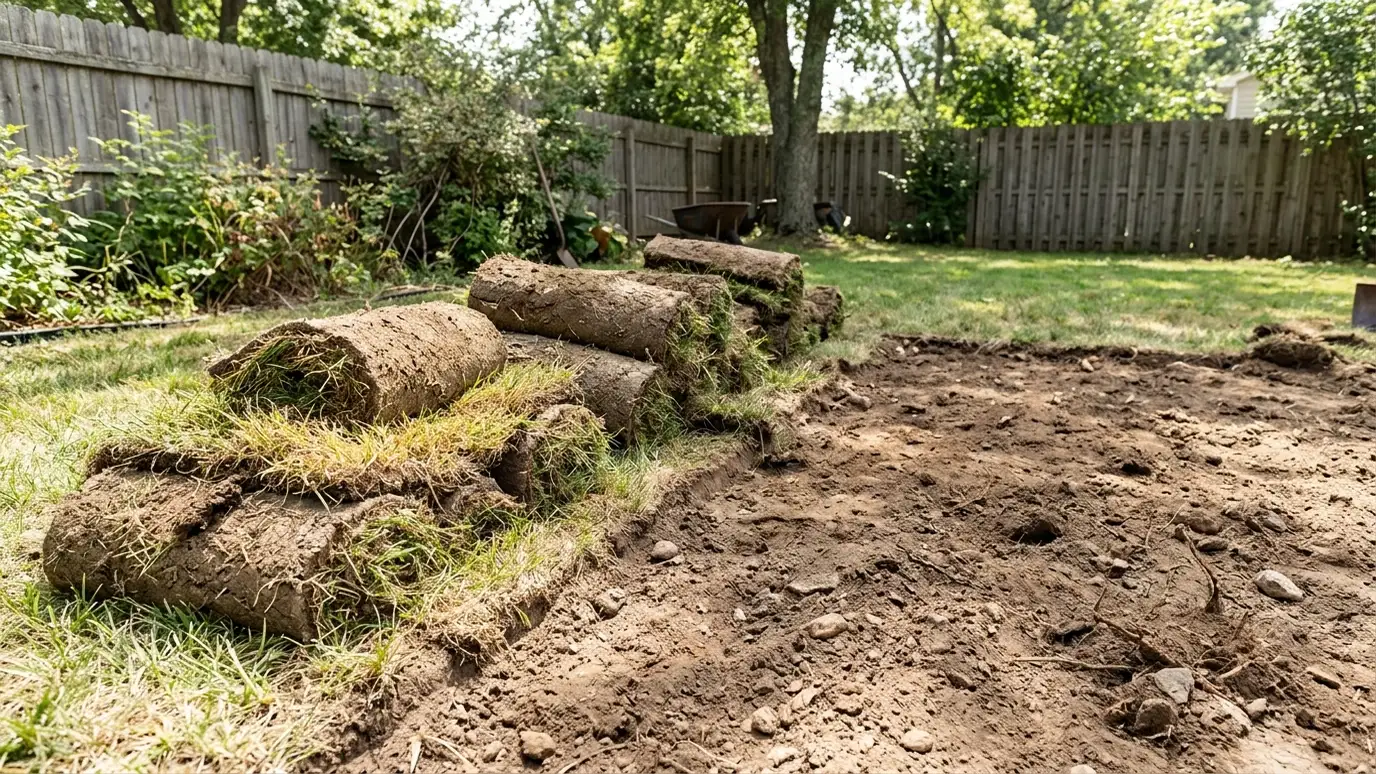 Sod RemovalOld, weedy or dead grass cut out and hauled away, leaving clean soil ready for new sod, turf…Explore
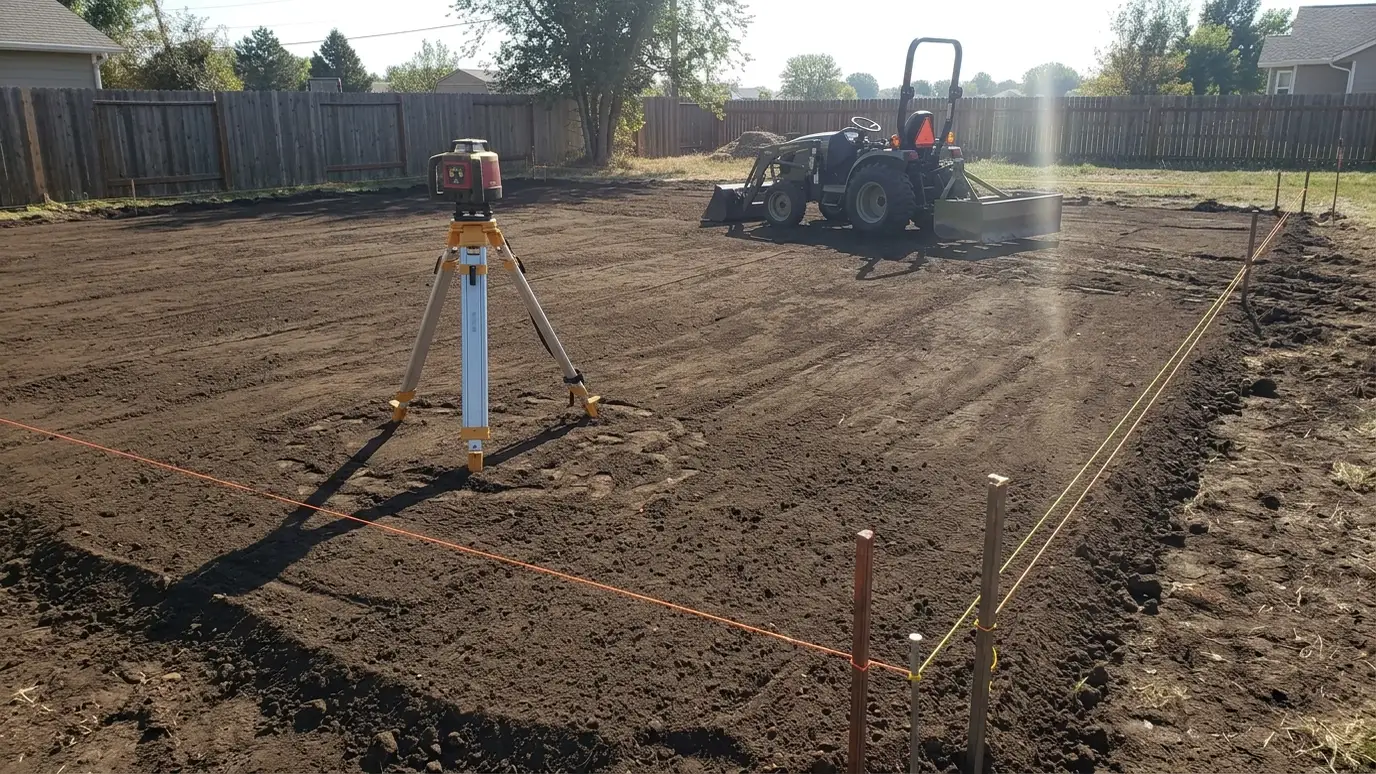 Grading and Site PrepThe foundation of a good lawn: smooth grade, correct slope, loose soil and drainage that carries water away…Explore
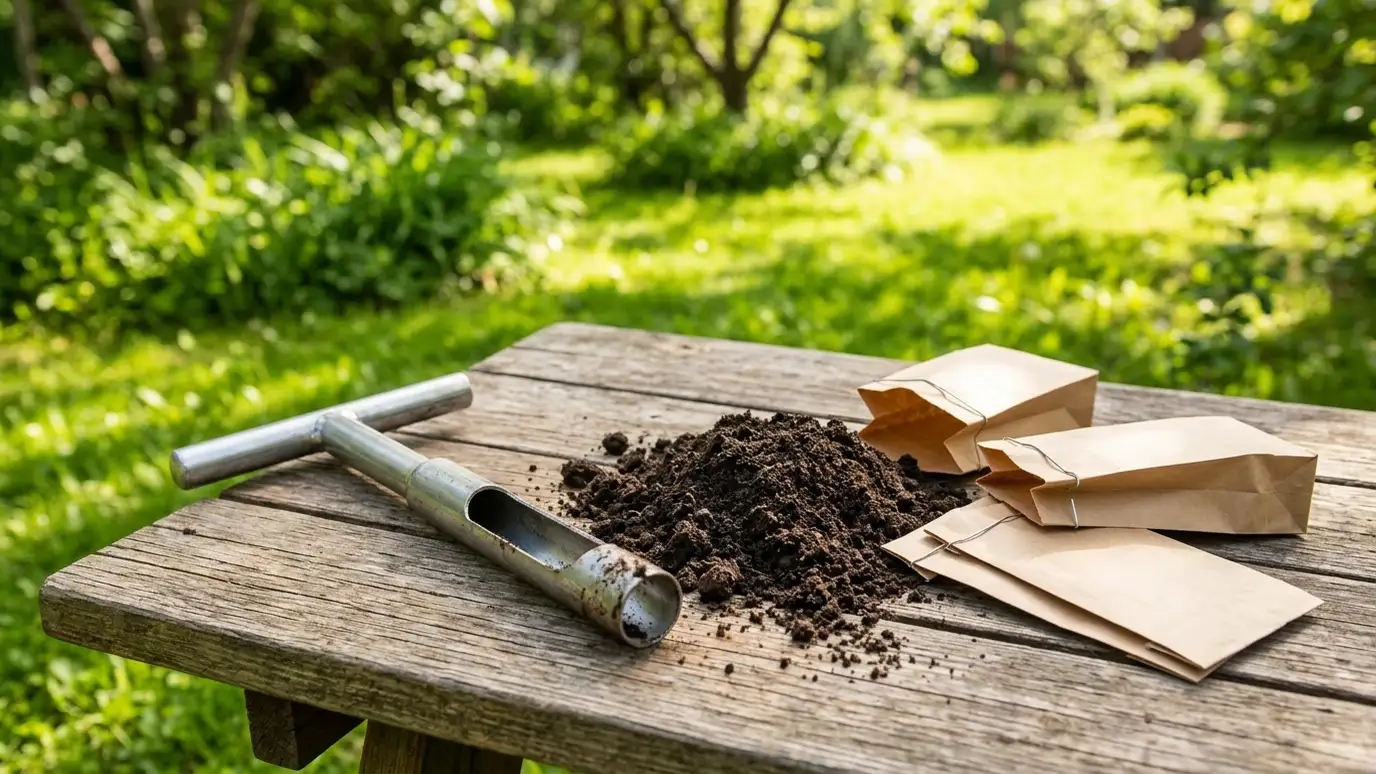 Soil TestingKnow what your soil needs: pH, nutrients and texture tested, then corrected with the right compost, lime and…Explore
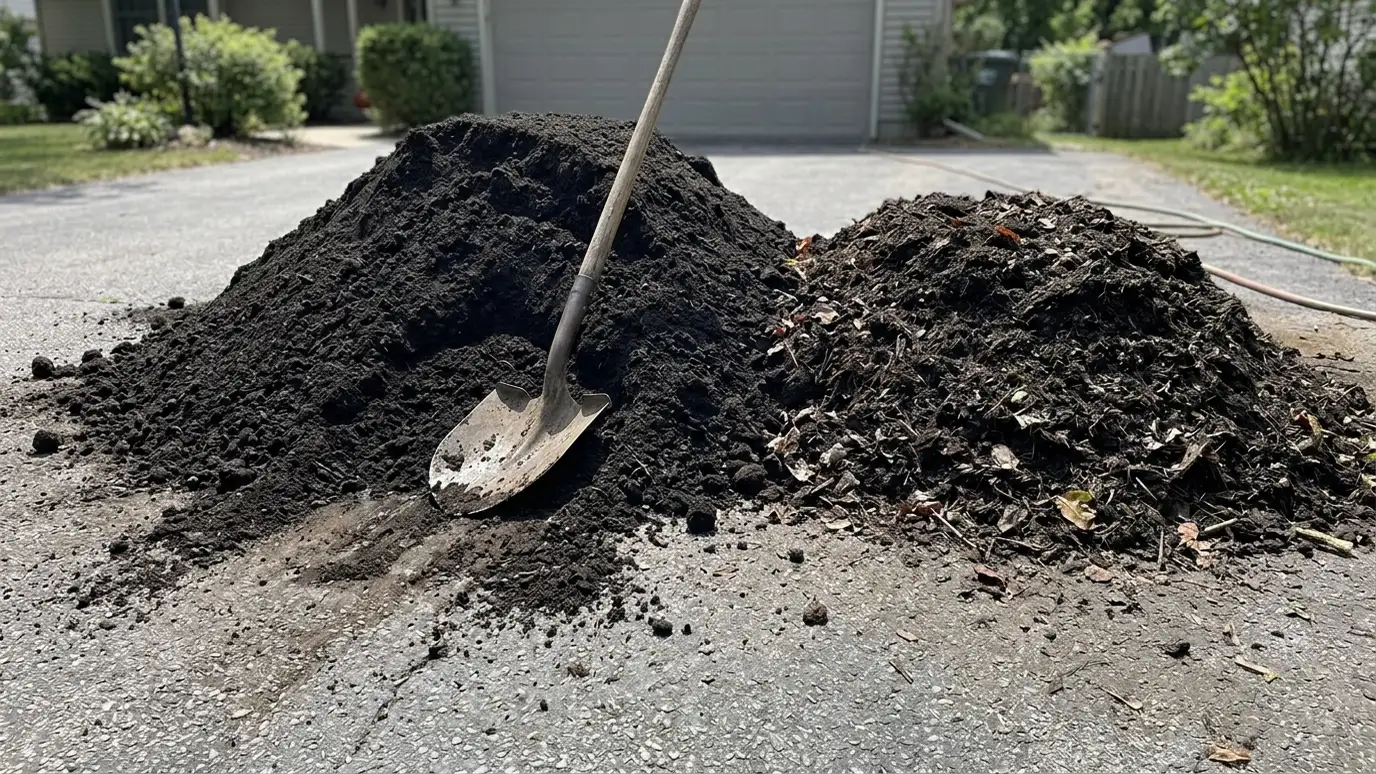 Topsoil and CompostQuality topsoil, compost and soil blends delivered to your yard, with help figuring out how many yards you…Explore
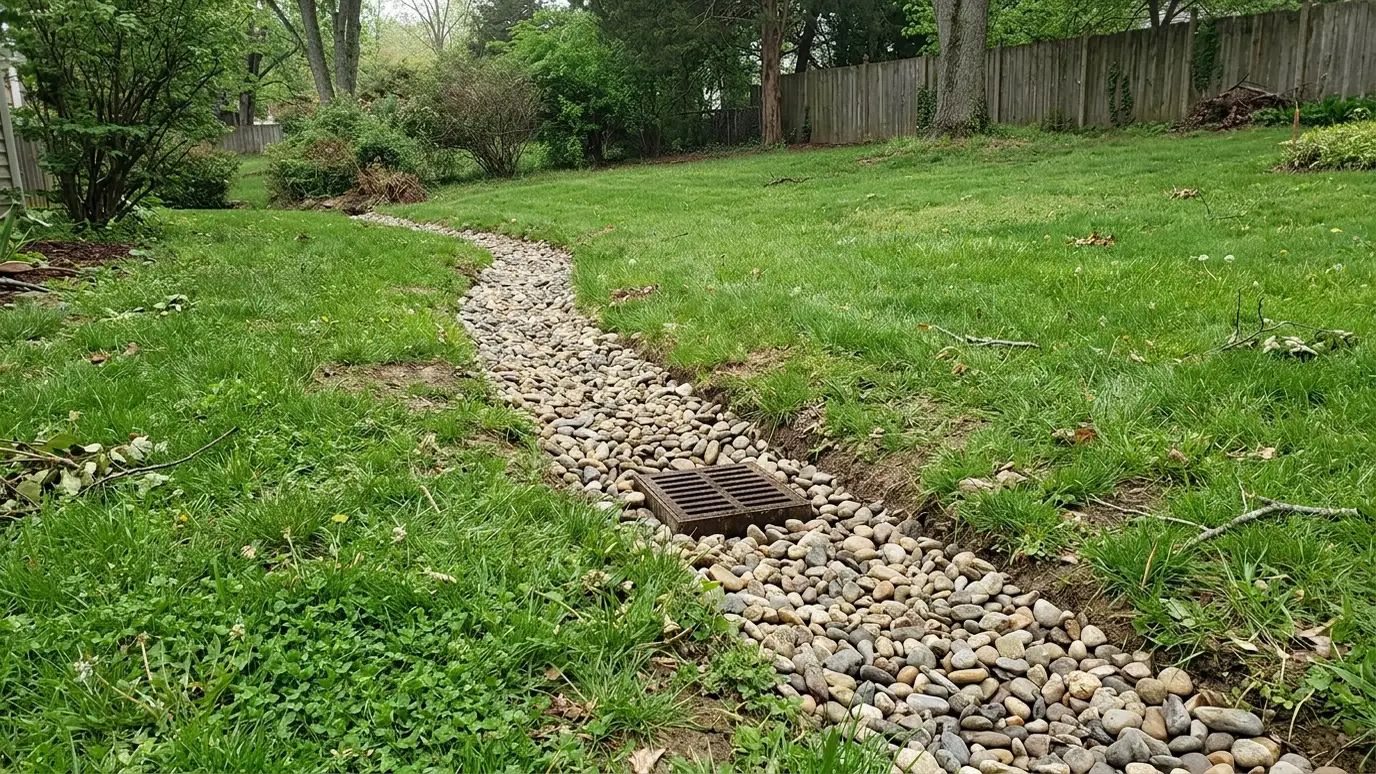 Lawn DrainageWet spots, standing water and soggy corners fixed with grading, drains and the right path for water to…Explore
Take the quiz, check a problem or ballpark a budget.
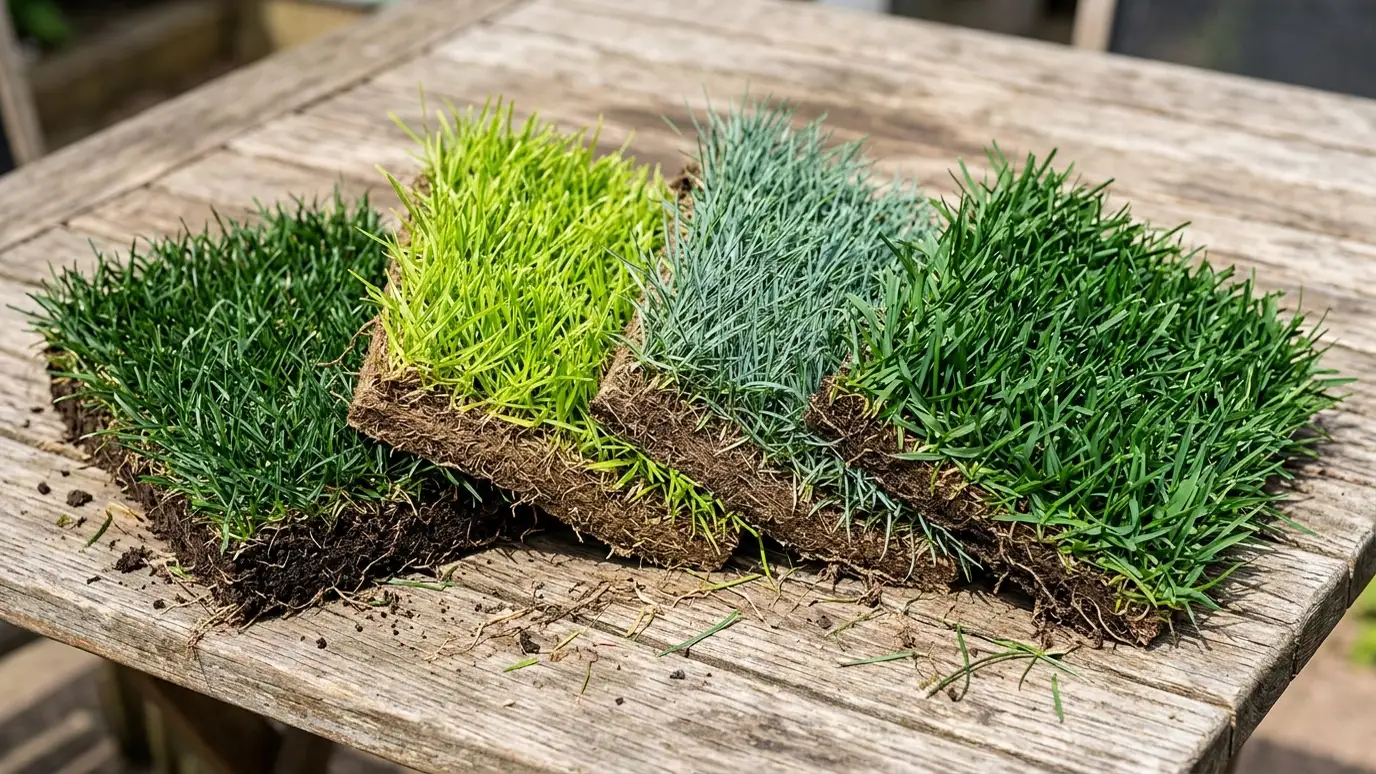 Which Grass or Turf Is Right for My Yard? QuizAnswer five questions about sun, use, pets and upkeep to see the grass or turf that fits your yard.Try it
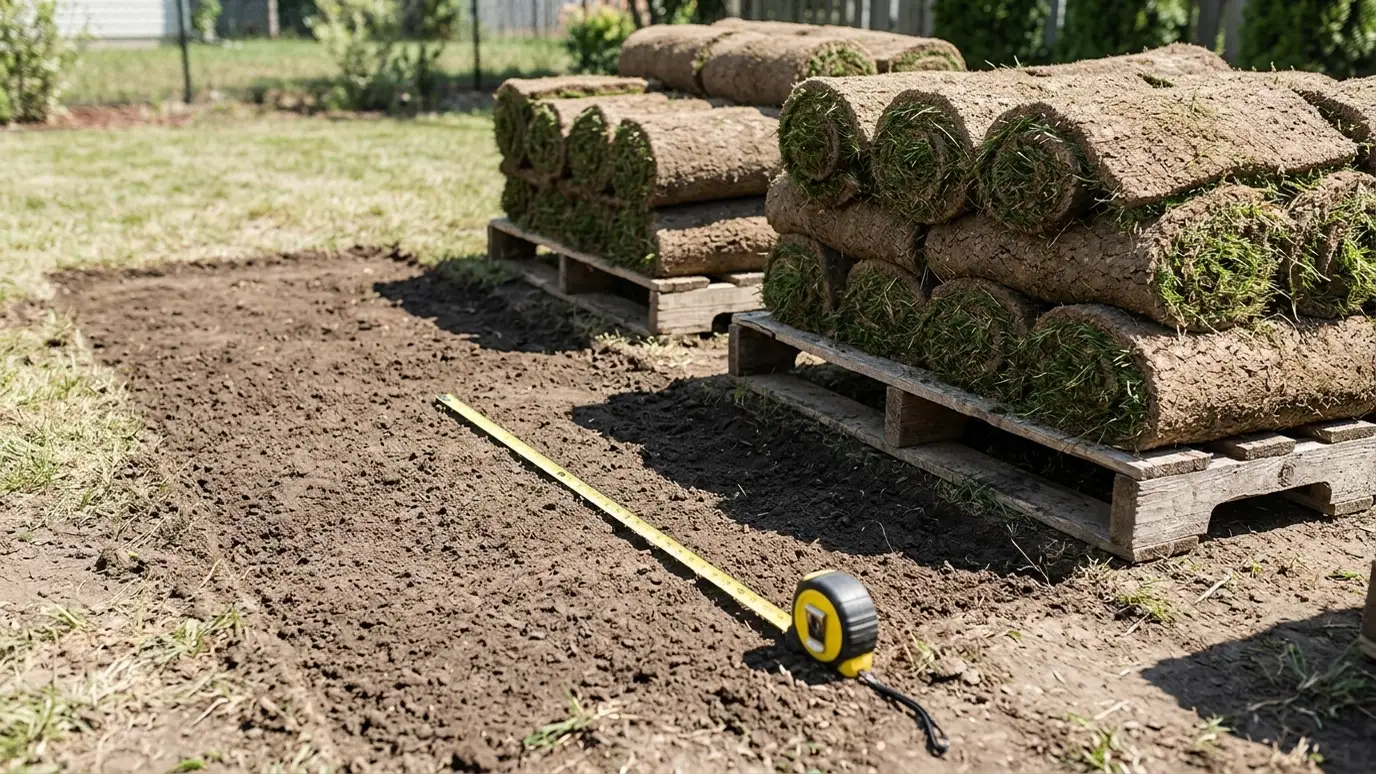 Sod Calculator: How Much Sod Do I Need?Enter the length and width of each lawn area to see the square feet, the pallets and rolls to order and a sensible waste allowance.Try it
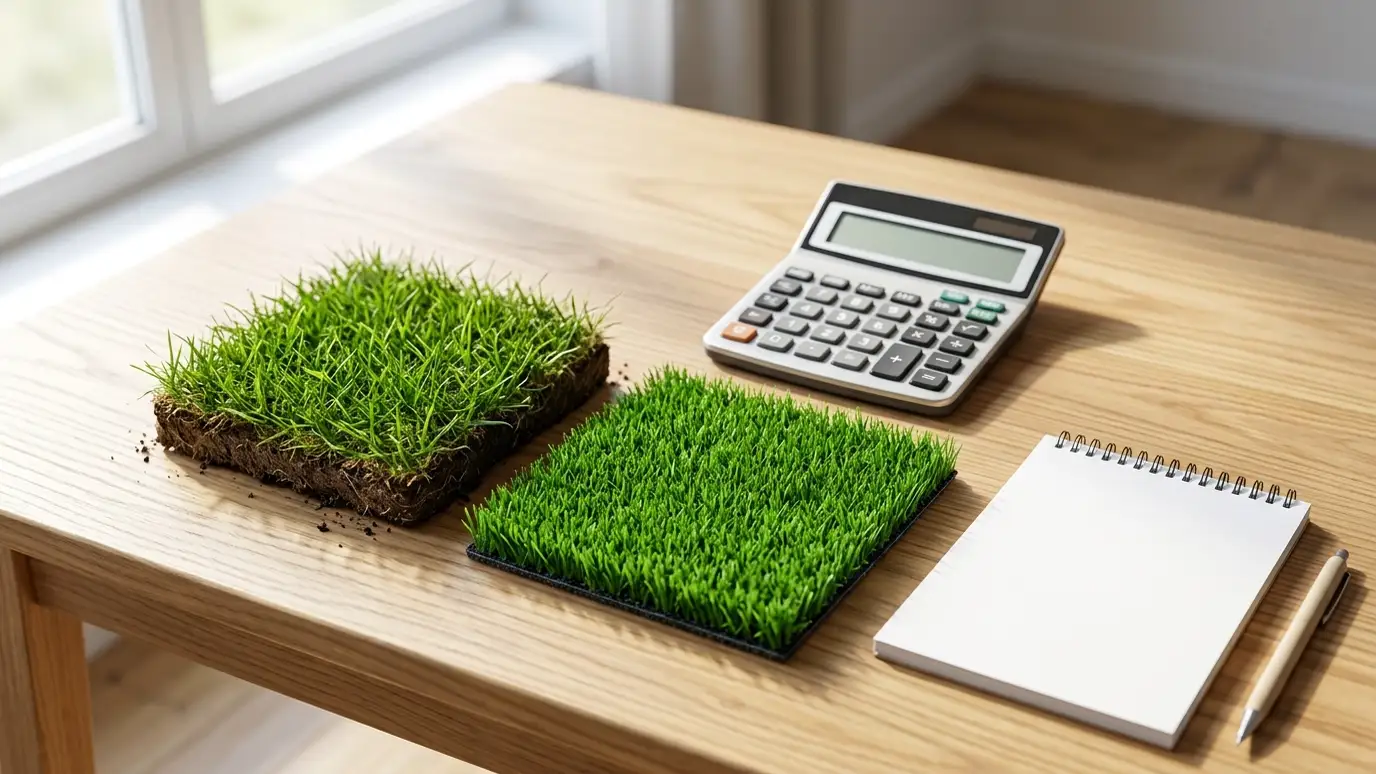 Sod and Turf Budget PlannerPick a project and a size and get a ballpark planning range.Try it
Usually because of compacted fill, thin topsoil or poor drainage underneath, not the sod itself.
Often. If the topsoil layer is thin or missing, adding some gives the roots something good to grow in.
Early fall for fescue and late spring for warm-season grasses, though any season can work with care.
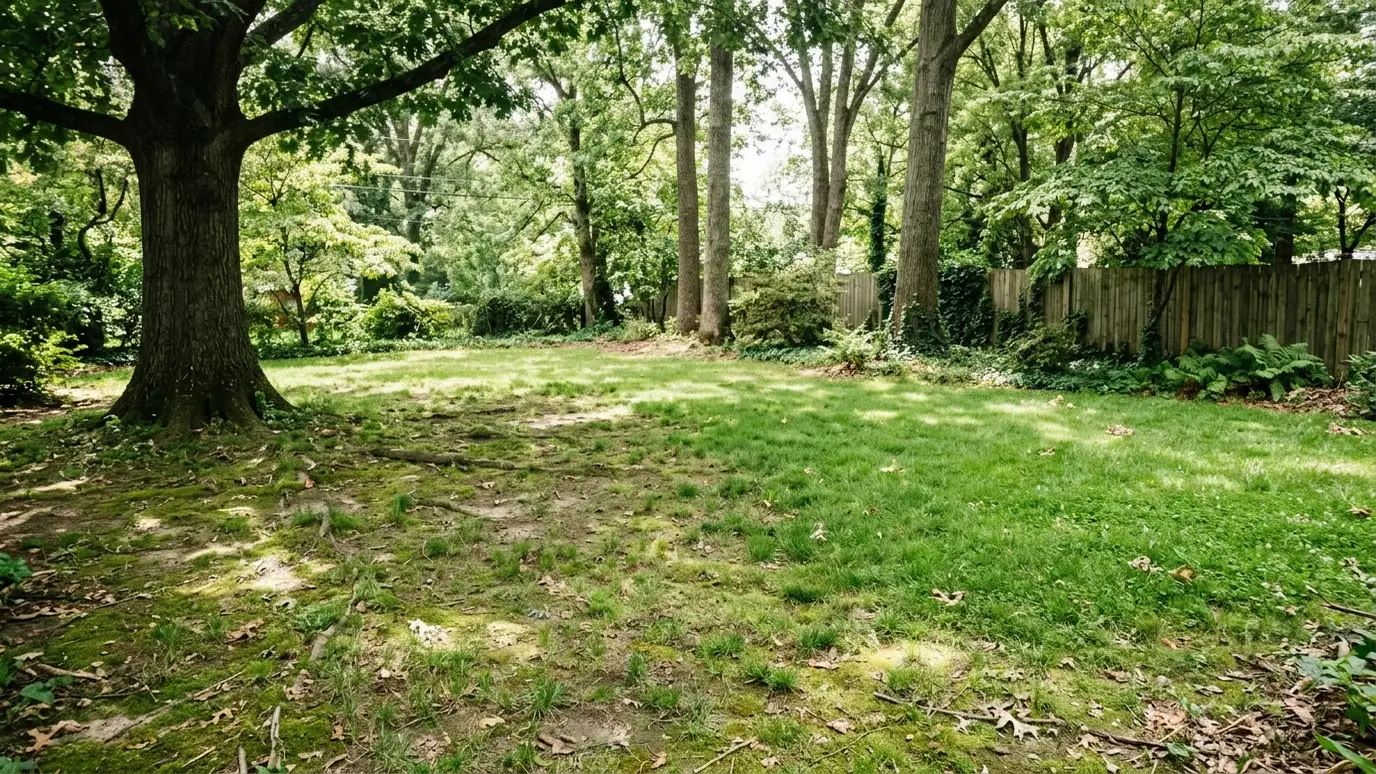 Yard situationShady YardsMature trees make Nashville neighborhoods beautiful and lawns difficult. Here is what grows in the shade and what…Learn more
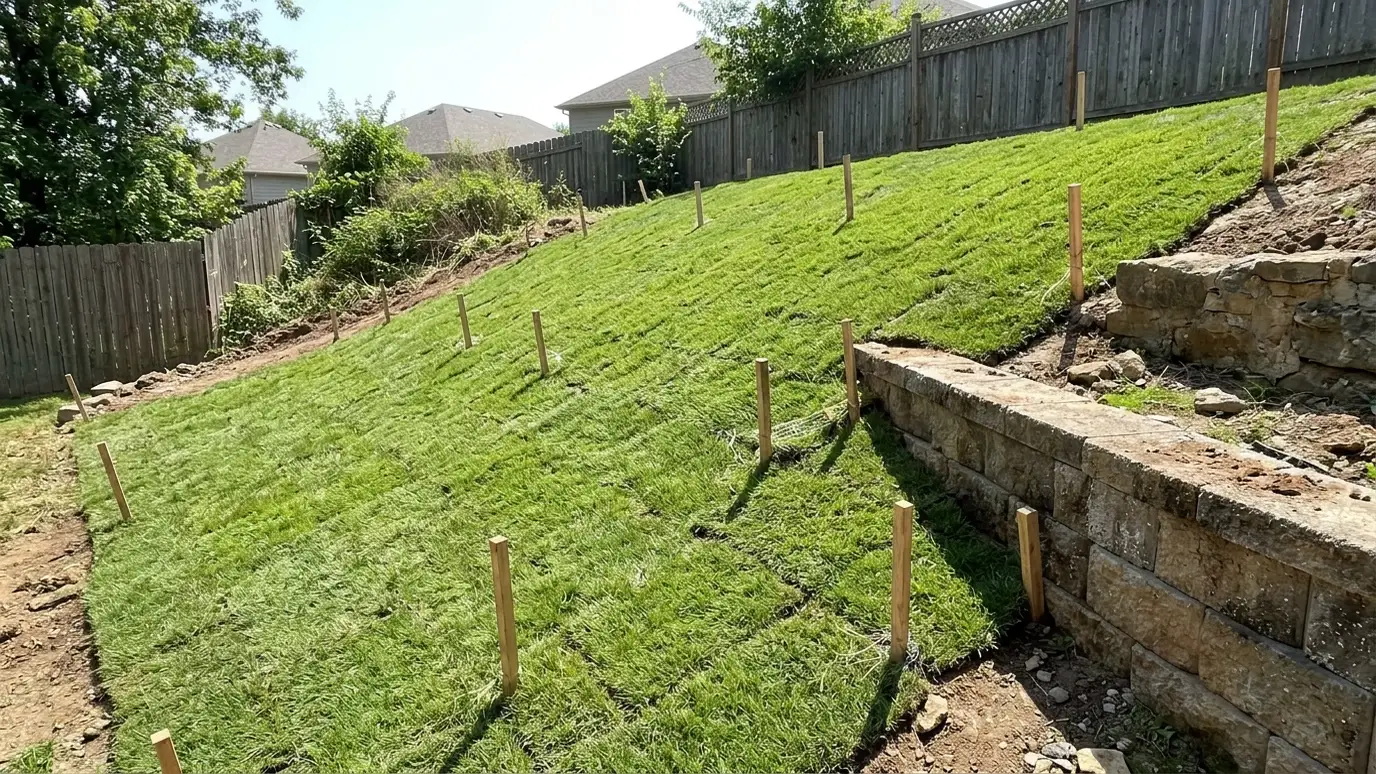 Yard situationSlopes and HillsidesHills are everywhere in Middle Tennessee. Here is how to hold a slope with grass, and when you…Learn more
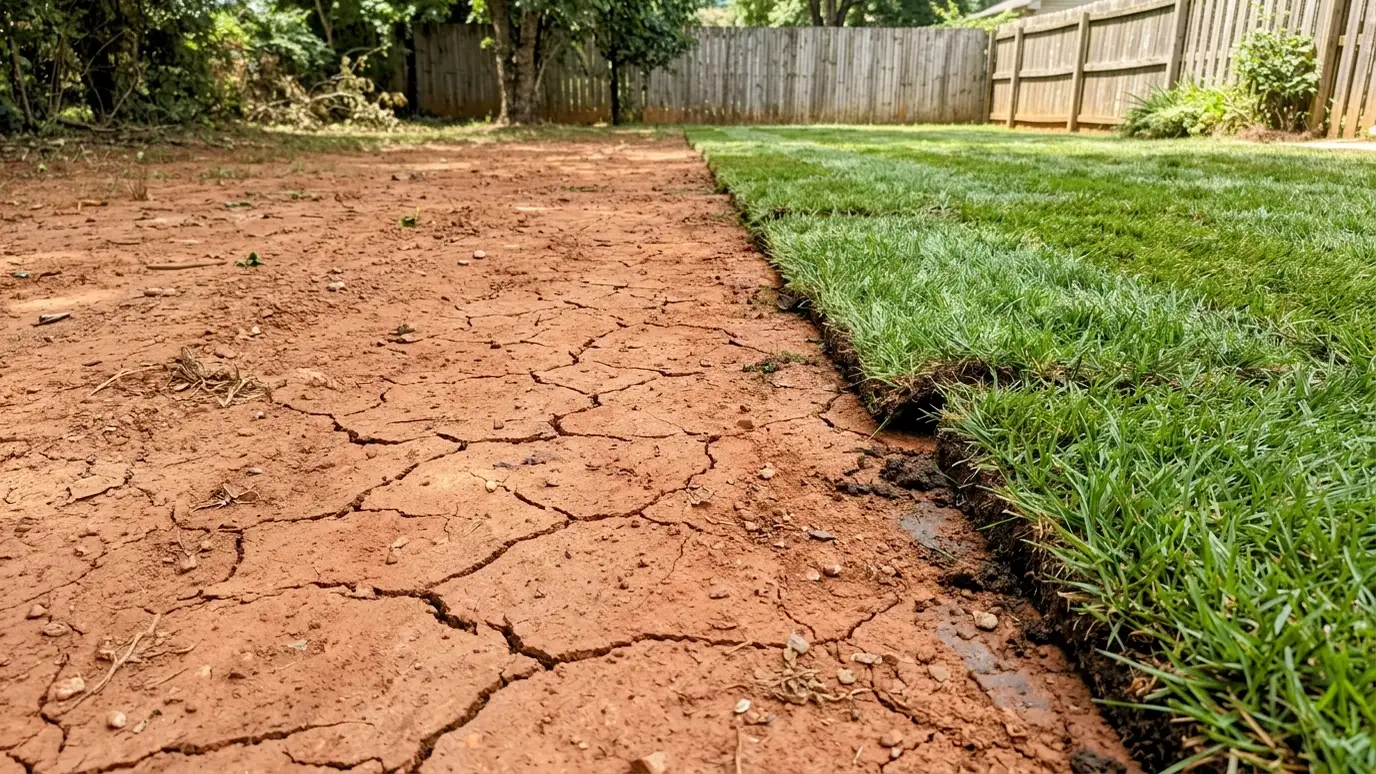 Yard situationClay Soil YardsRed Tennessee clay holds water, cracks in summer and resists roots. Here is how to build a lawn…Learn more
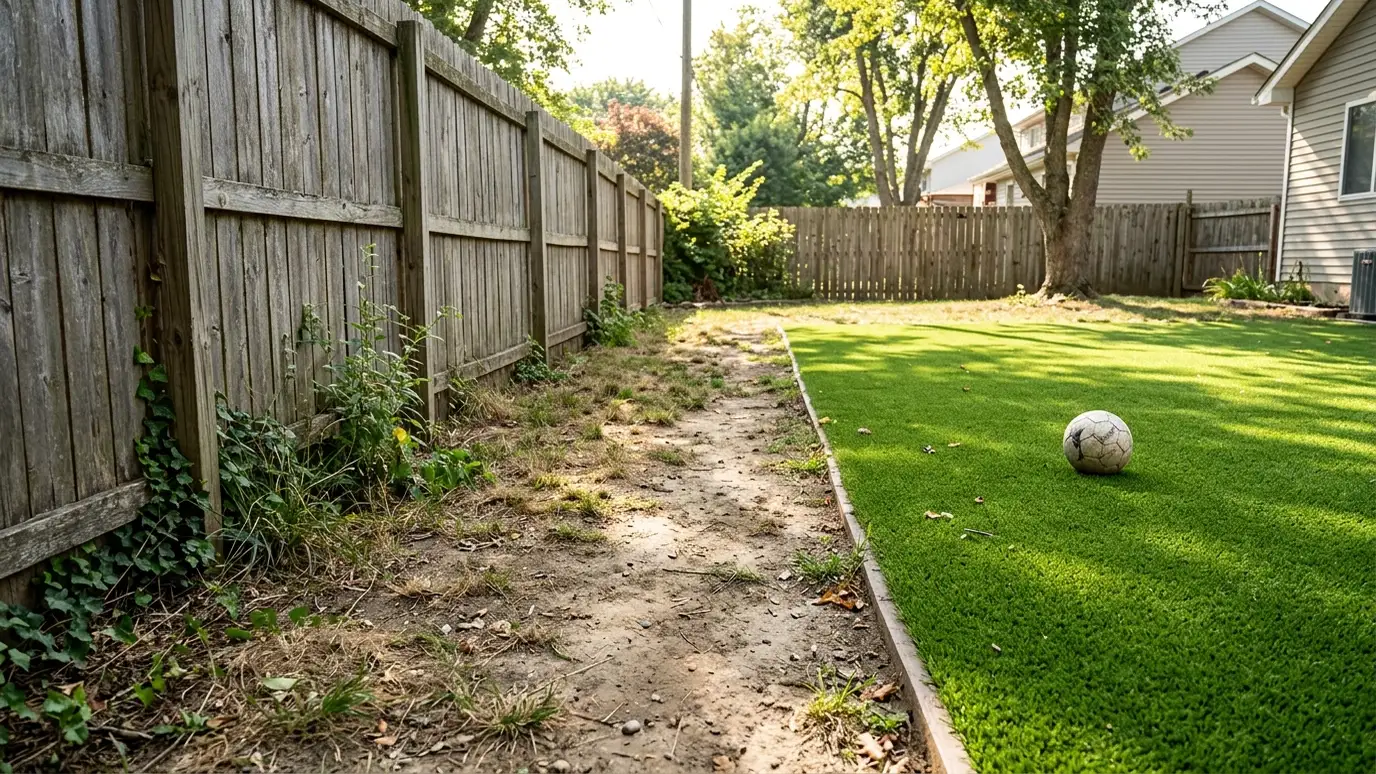 Yard situationYards with DogsDogs dig, run the fence line and burn spots with urine. Here is how to keep a good…Learn more
Call us and we will visit, measure your yard and give you a clear plan and a written scope for sod, artificial turf or both.