Why quotes vary so much
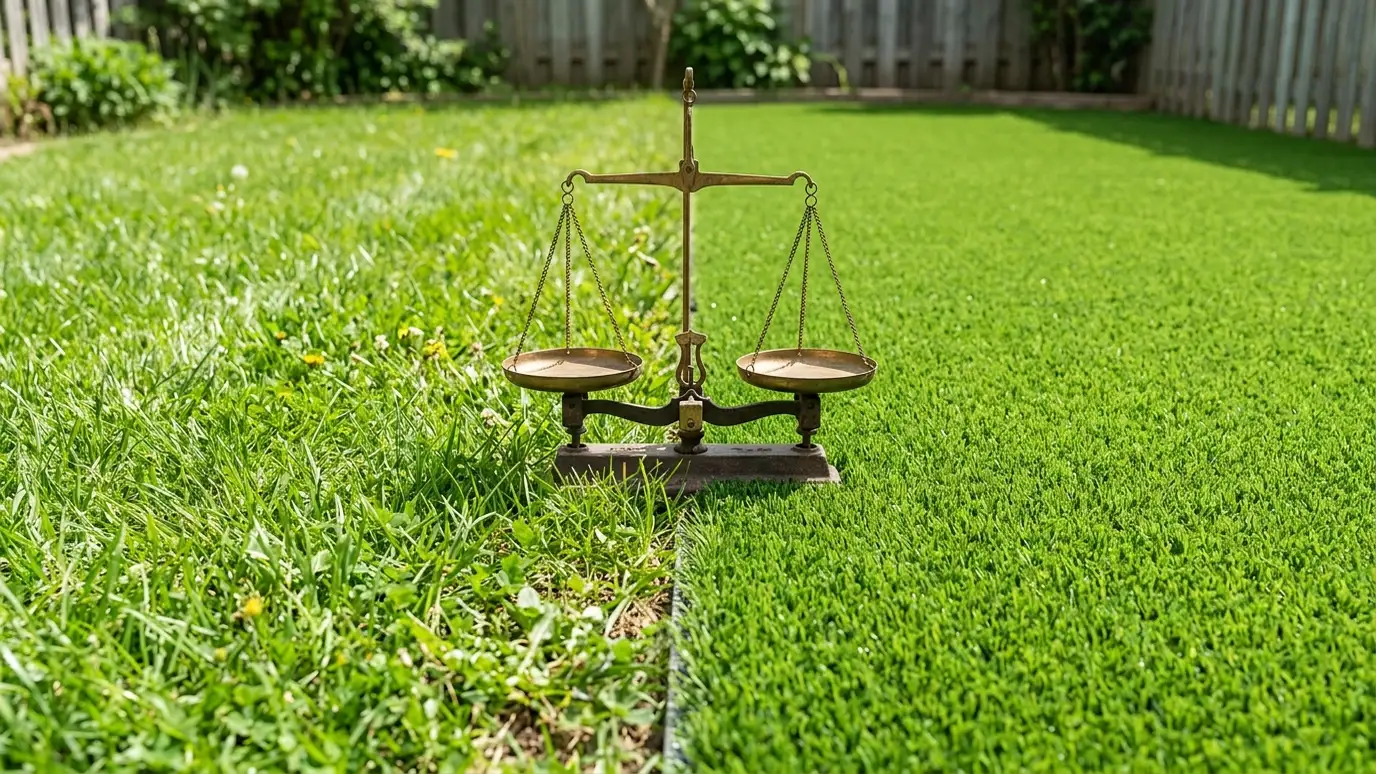
Two quotes for the same yard can differ widely, and the cheaper one is not always the better one. The difference often lies in what is included: how much old grass is removed, how the soil is prepared, how seams and edges are finished and what happens if something unexpected turns up.
Ask each company to list exactly what they will do under the lawn as well as on top of it. The work you cannot see is where most of the cost and most of the value lives.
What drives sod cost
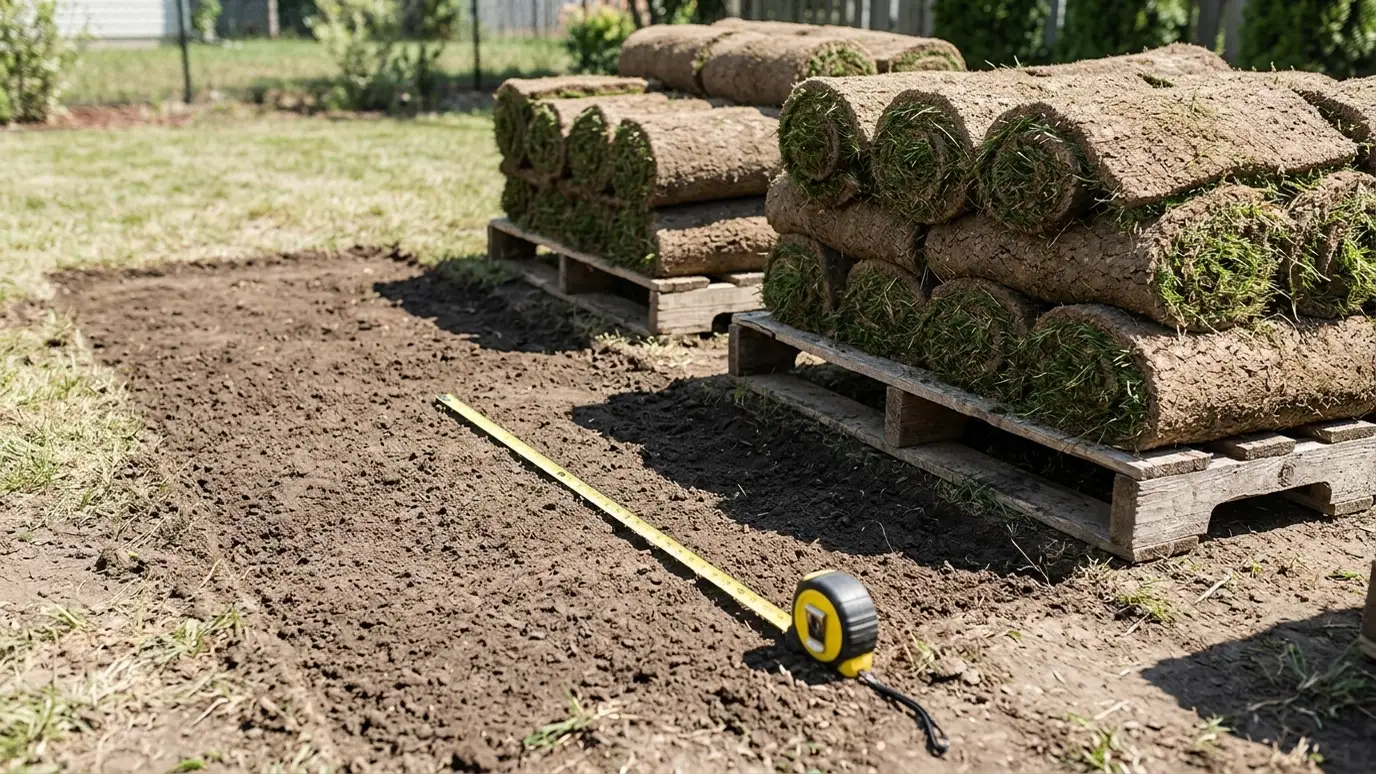
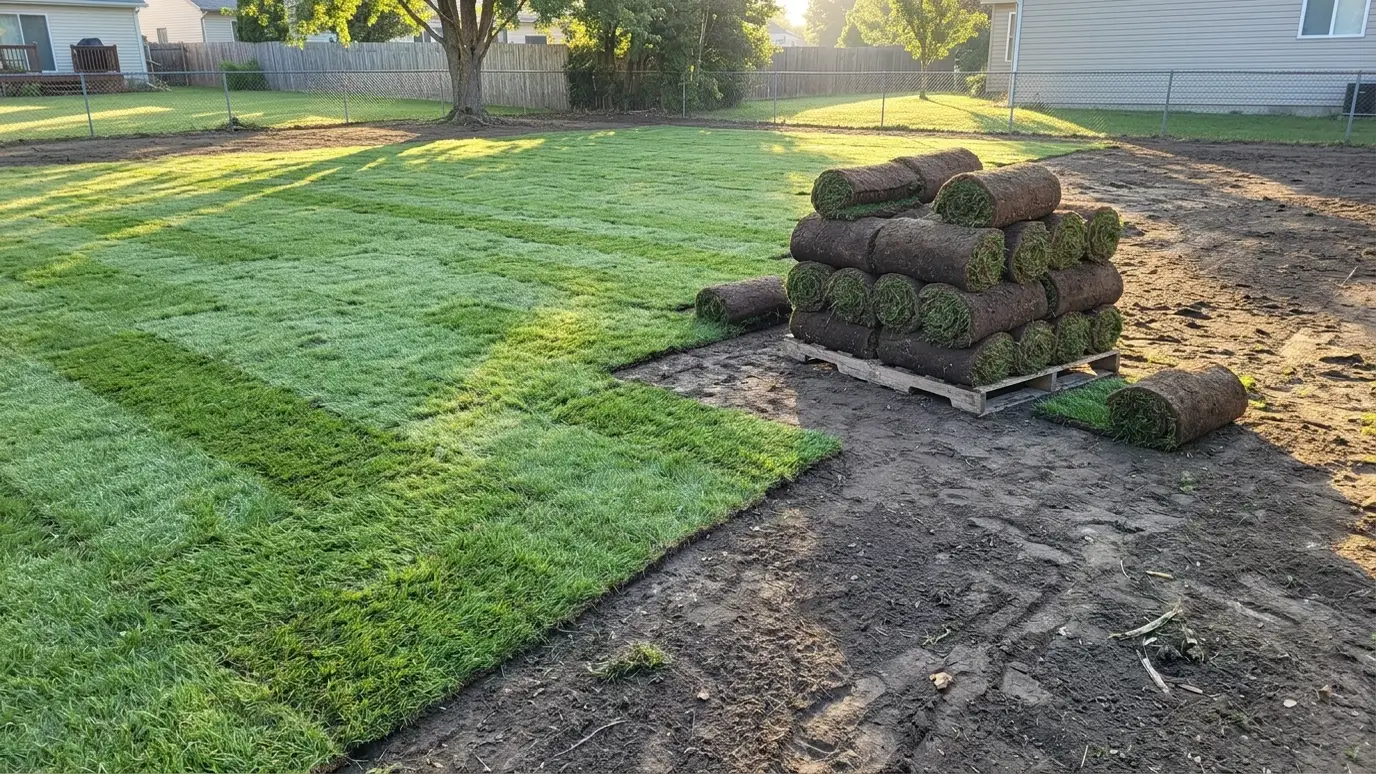
Sod is priced by the square foot, and the total depends on area, grass variety, delivery distance and how much preparation the soil needs. Hard clay, rocky ground and low spots add work. Slopes and tight access slow the crew and raise labor.
Removing old grass, hauling debris, bringing in topsoil and adding irrigation changes are all separate line items. A clear proposal lists them so you can see what each one costs.
What drives artificial turf cost
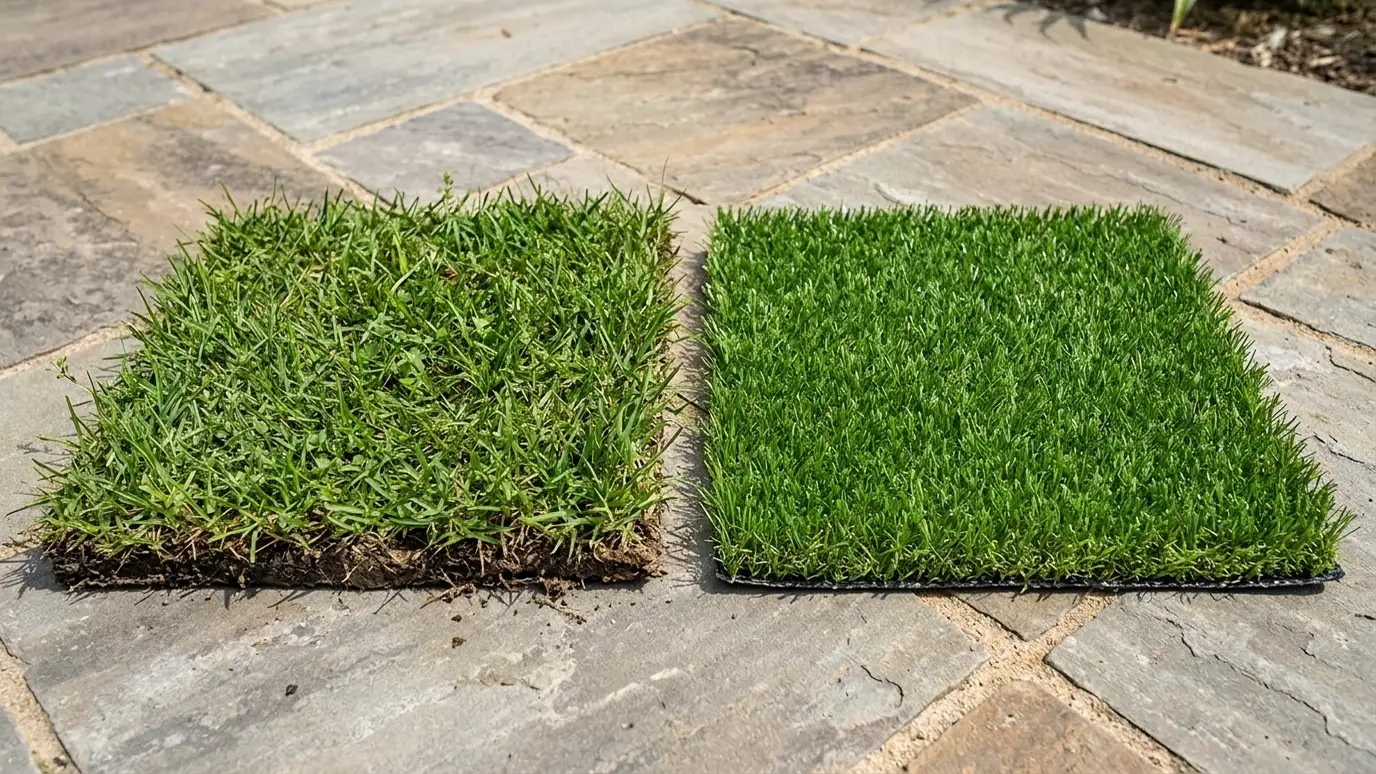
Turf costs more per square foot than sod because of the turf itself and the base. Excavation, crushed stone, compaction, drainage, seams, edging and infill all add up. Better turf with heavier face weight and a stronger backing costs more and usually lasts longer.
Pet turf, putting greens and playground surfaces have extra layers and details. Ask for samples and for the base depth in writing.
Cost over time
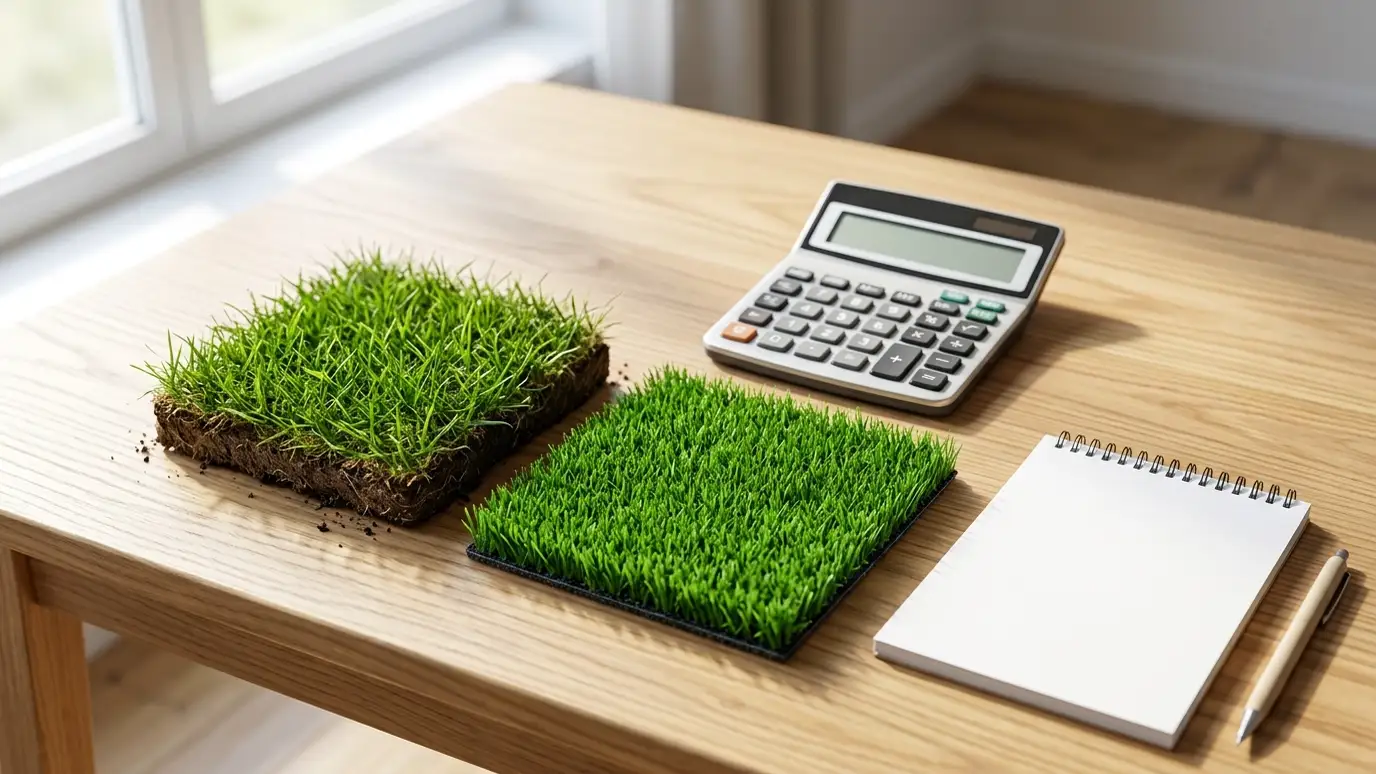
Sod is cheaper to install but needs water, mowing, fertilizer and weed control every year. Turf is more expensive to install and much cheaper to maintain. Over ten years the gap between them often narrows, especially for shady or hard-to-grow areas.
Our sod and turf comparison tool shows both over time with your own numbers.
How to compare proposals
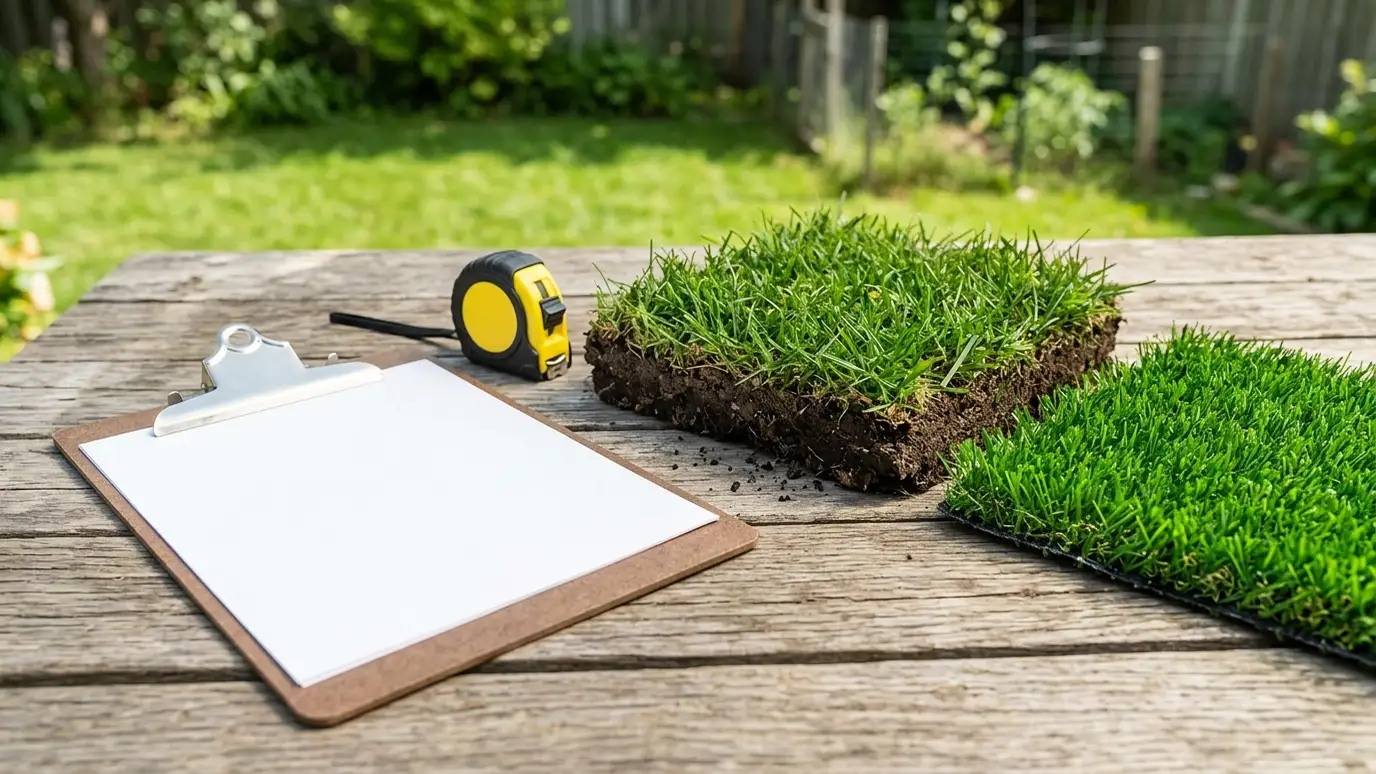
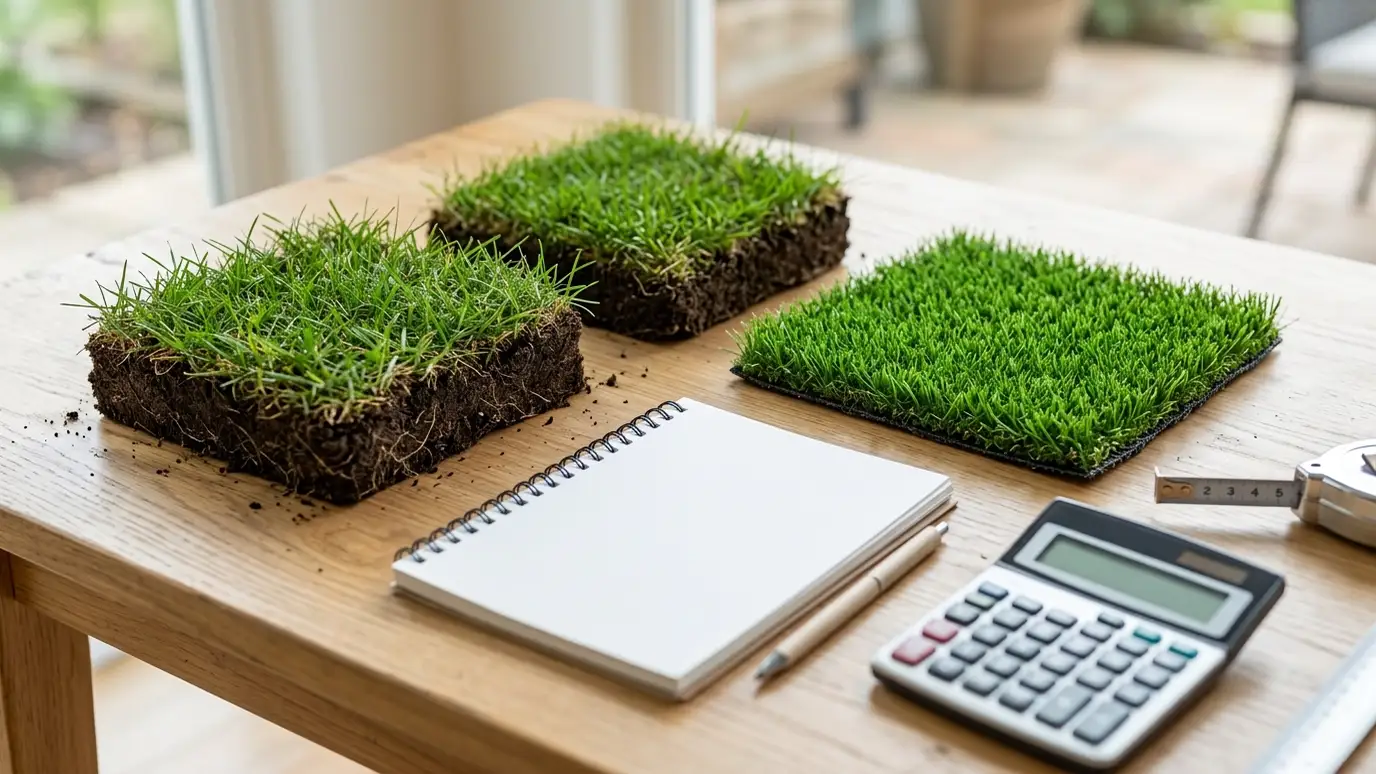
Compare the same things in each quote: area, prep, materials, base depth for turf, seams, edging, cleanup, hauling and what happens if rock or roots are found. Be wary of quotes that are vague or far lower than the rest.
Ask who will do the work, how long it will take and what the care instructions are. A good company is glad to answer.
Phasing and saving
Large yards can be done in phases to spread cost. Starting with the front lawn, the play area or the slope that needs help most gives you progress without a single big bill.
A free estimate with measurements is the best way to get real numbers instead of rough guesses.
Compare what is included and what is under the surface, not just the total, and judge cost over the life of the lawn.