Weeds are a symptom
Weeds move in where grass is thin, stressed or absent. Mowing too short, compaction, shade, poor drainage and missed fertilizer all open the door. Treating weeds without fixing the cause is a cycle that never ends.
A thick, healthy lawn is the best weed control.
Crabgrass
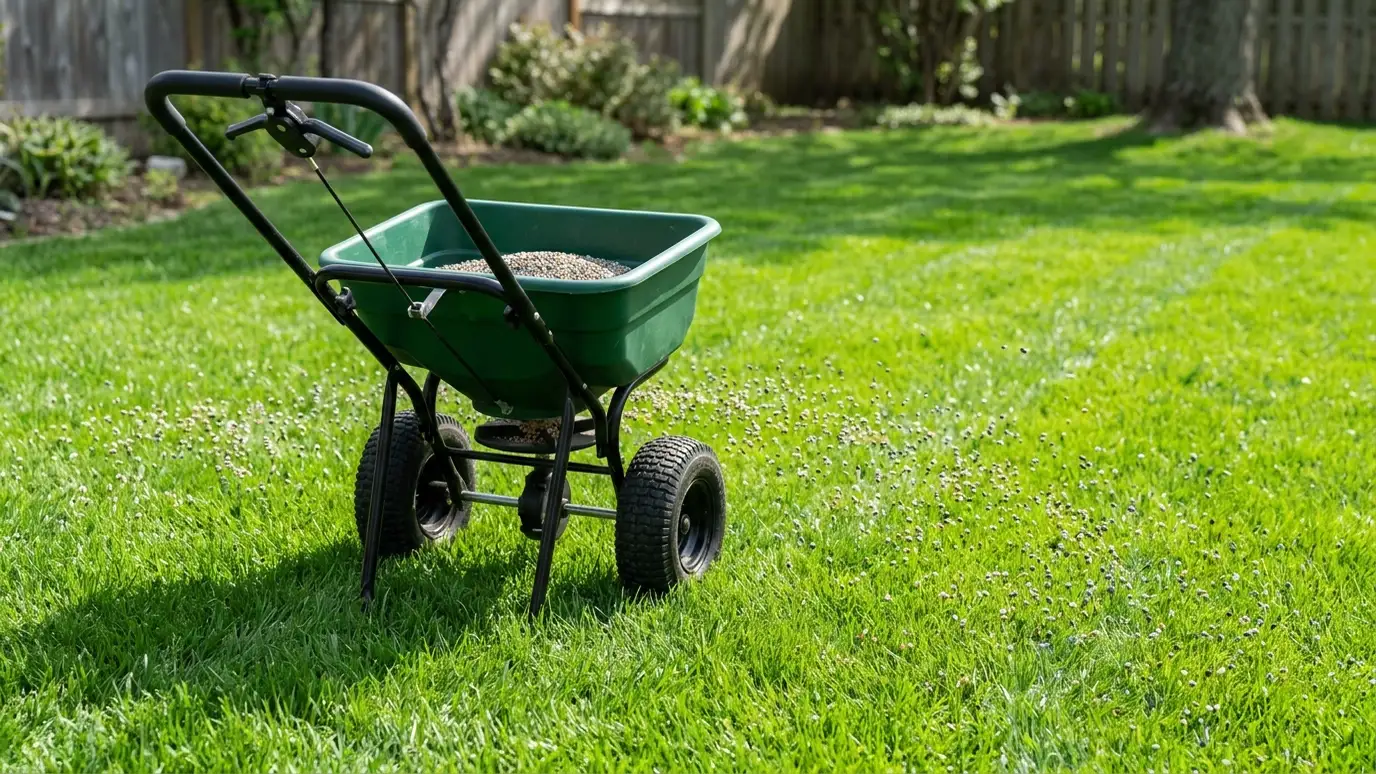
Crabgrass is an annual that sprouts in spring when the soil warms and dies at the first frost, leaving seed for next year. A pre-emergent barrier applied in early spring stops it. Once it sprouts, post-emergent products are needed.
Timing is the whole game.
Nutsedge and clover
Nutsedge is not a grass. It is a sedge that grows fast in wet spots and needs specific treatments. Clover thrives in thin, low-nitrogen lawns. Fertilizing and improving drainage help control both.
Identify the weed before you spray anything.
Broadleaf weeds
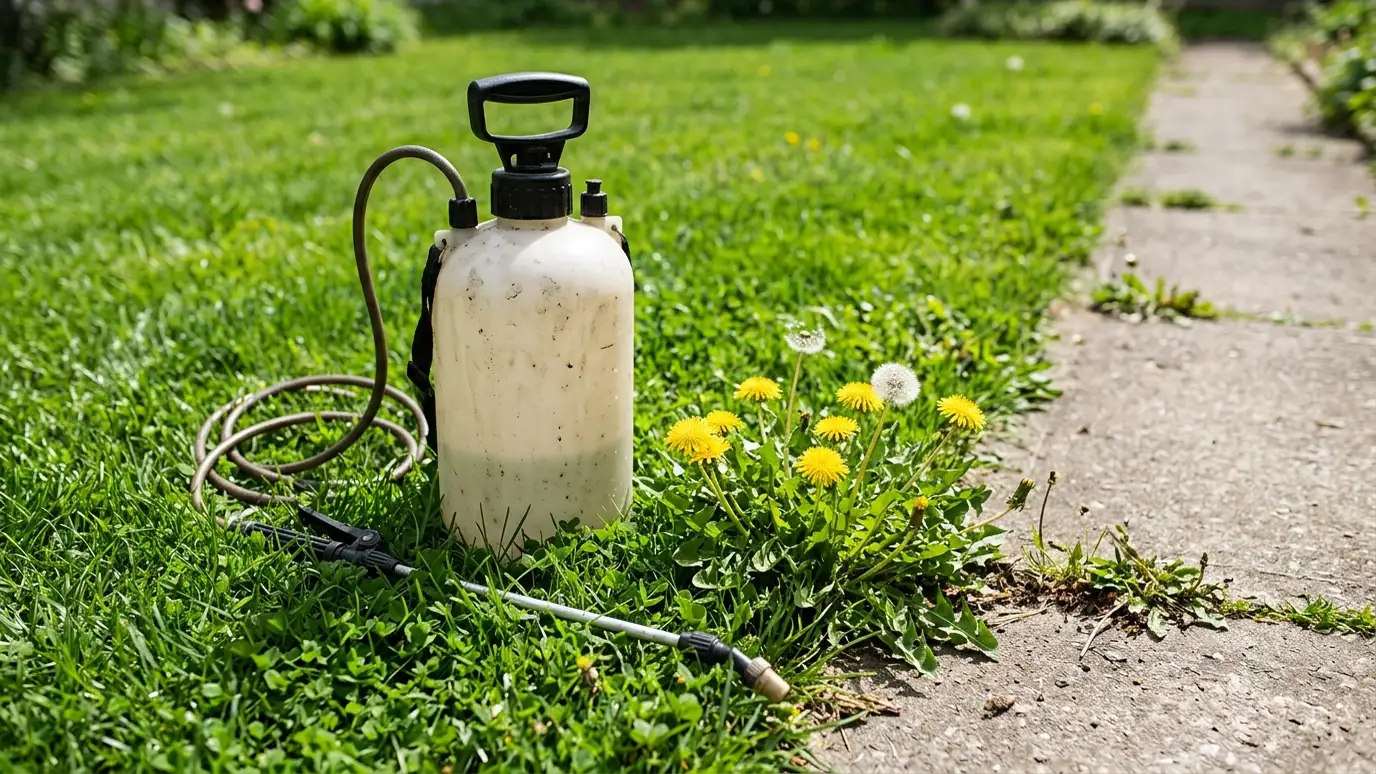
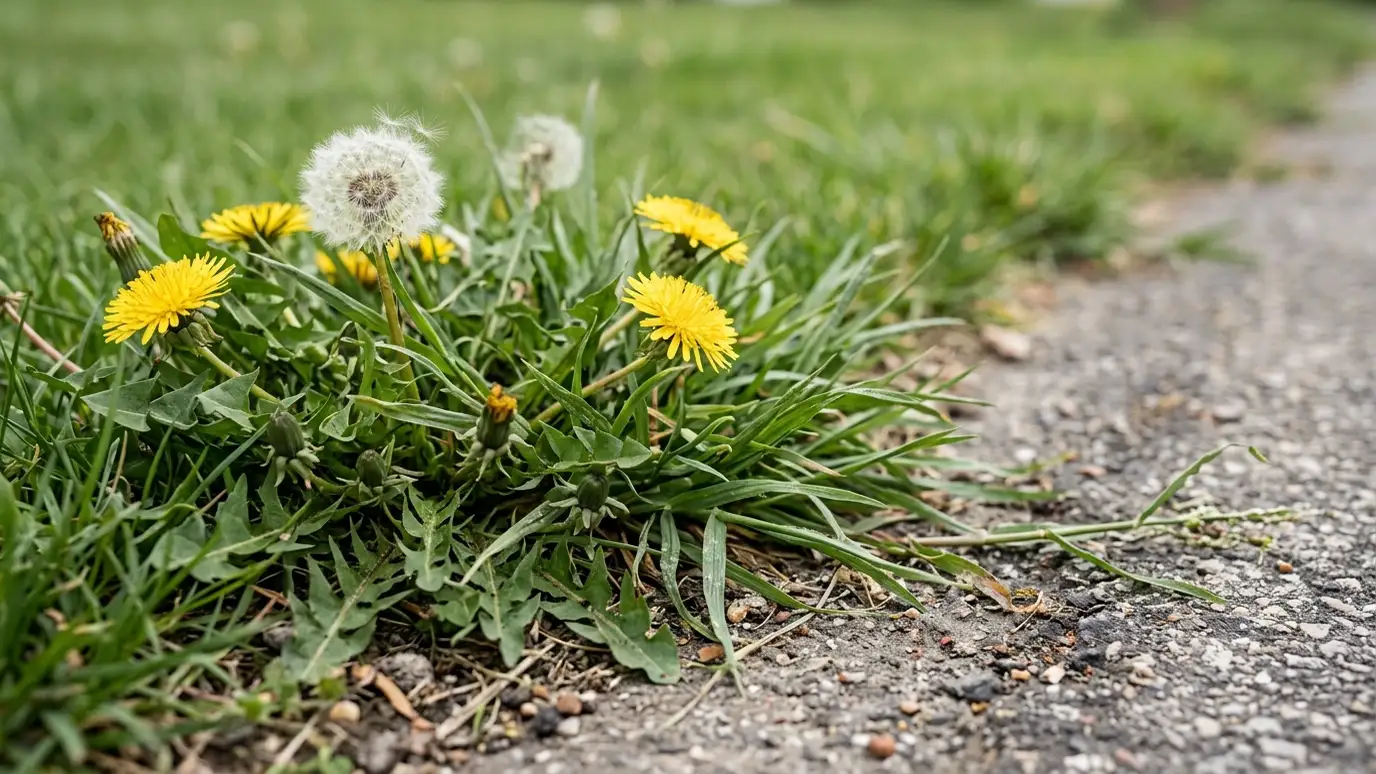
Dandelions, plantain and henbit are broadleaf weeds. Many can be treated in spring or fall when they are actively growing. Choose products safe for your grass, and apply on a calm day.
Pulling by hand works for small areas.
Cultural controls
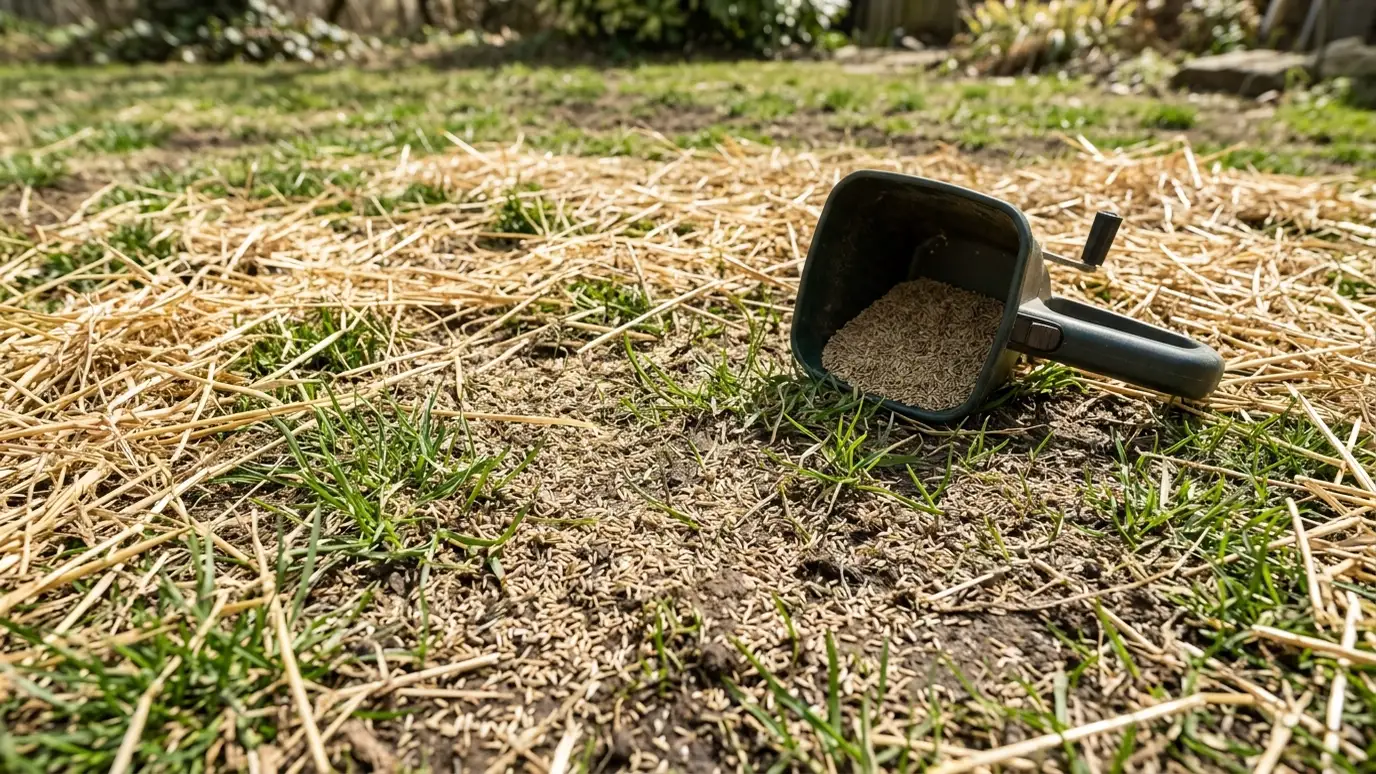
Mow tall, water deeply and infrequently, fertilize on schedule, aerate and overseed in the fall. These habits build dense turf that crowds out weeds.
They also save money on chemicals over time.
Read the label
Always follow product directions and local rules. Some products damage certain grasses, and some block seed. Keep pets and kids off treated areas until dry.
A professional program takes the guesswork out.
Fix the thin spots, mow tall and time your treatments, and weeds will have little room to grow.