Brown edges
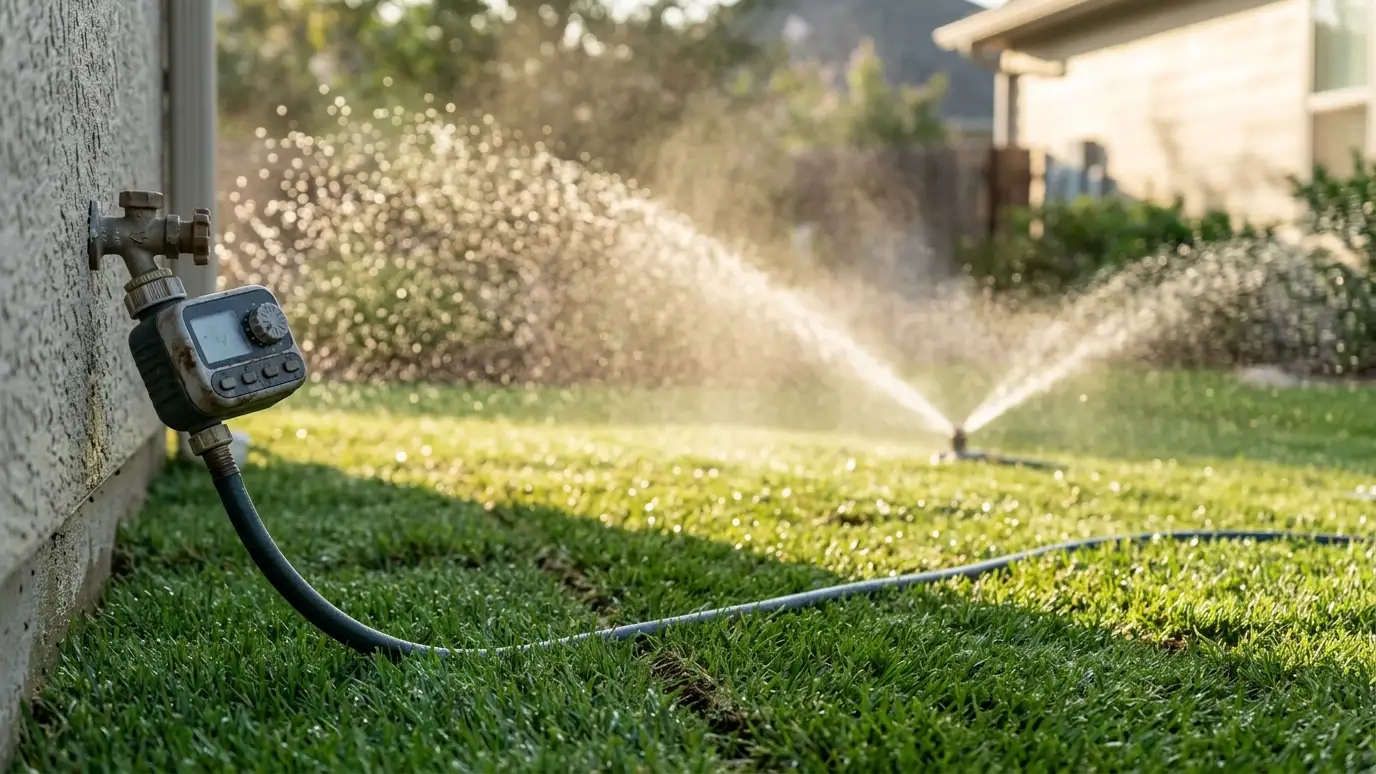
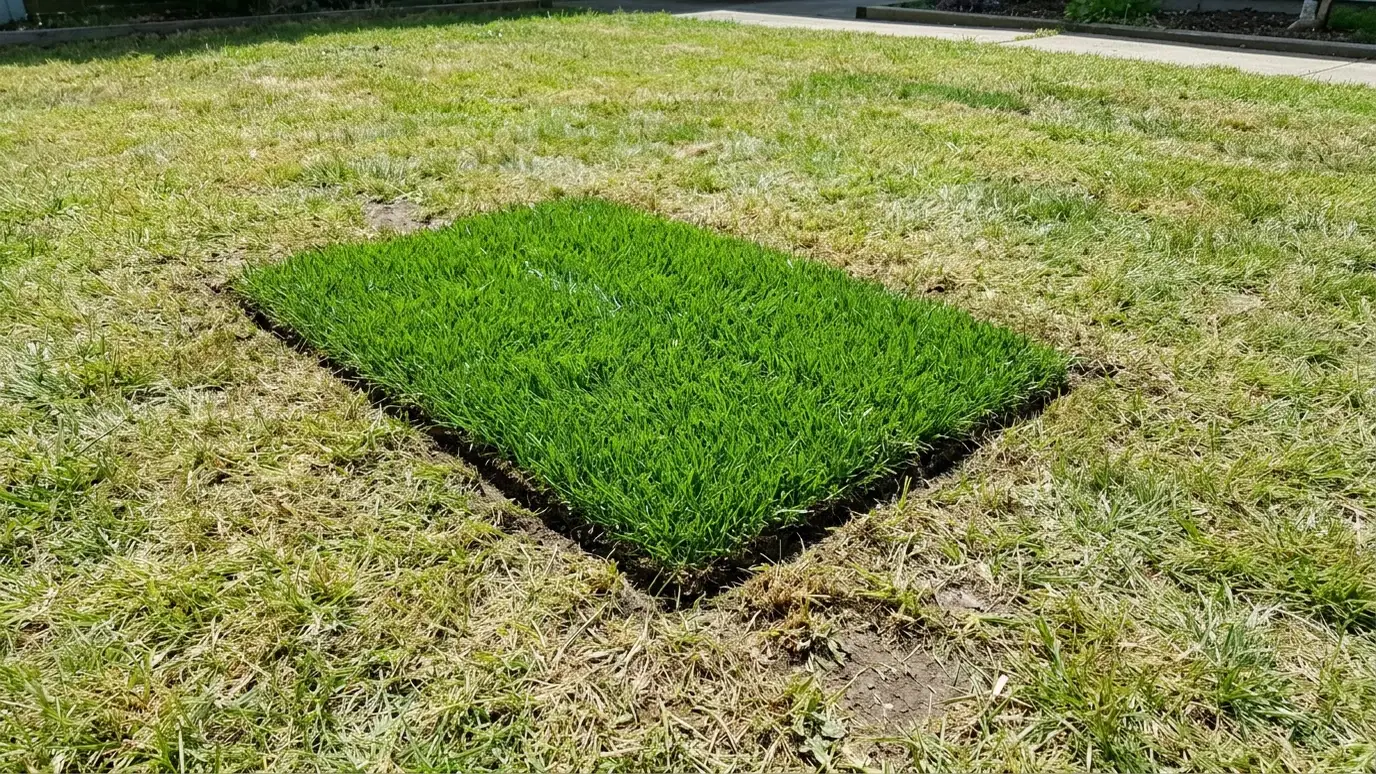
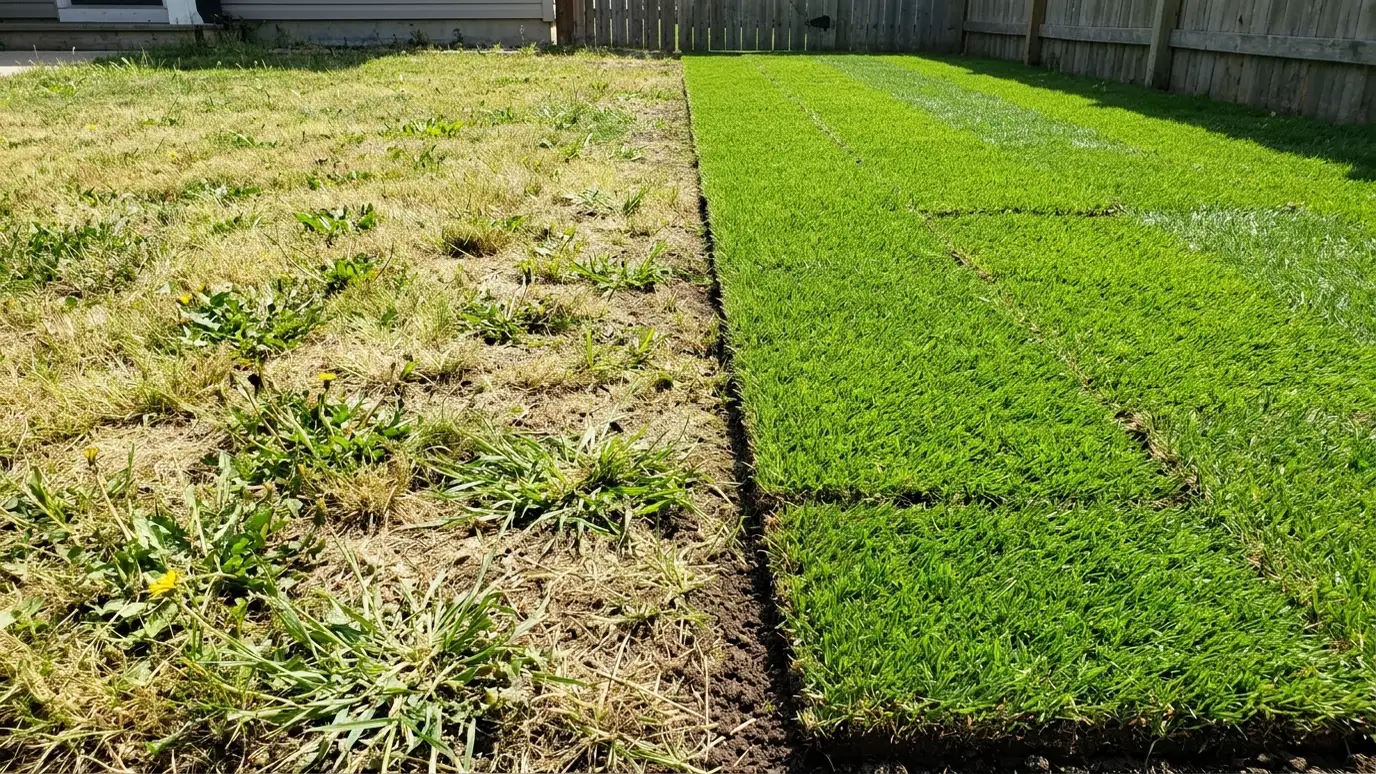
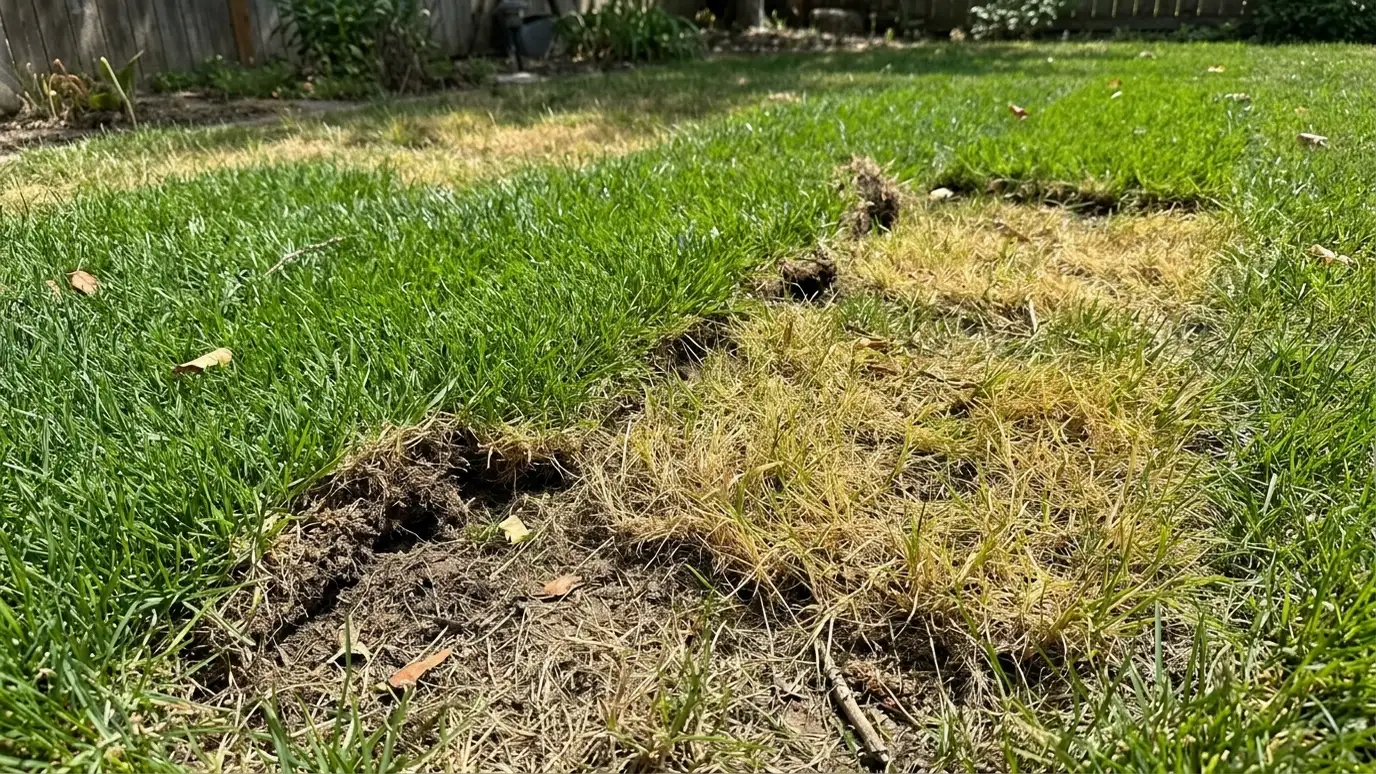
Edges dry first. They are exposed to air on two sides and are often next to hot pavement. Extra watering along the edges and trimming off dead tips usually fixes it.
If the whole piece is brown, check soil contact and sprinkler coverage.
Yellow patches
Yellowing can mean too much water, not enough nitrogen, compaction or a pest. Check the soil: soggy ground points to overwatering, and dry, hard ground points to poor contact.
Cut back watering or add a starter fertilizer as needed, and call us if it persists.
Gaps between pieces
Sod can shrink slightly as it dries. If gaps open, water more and press the pieces together. Fill small gaps with a bit of topsoil and keep them moist.
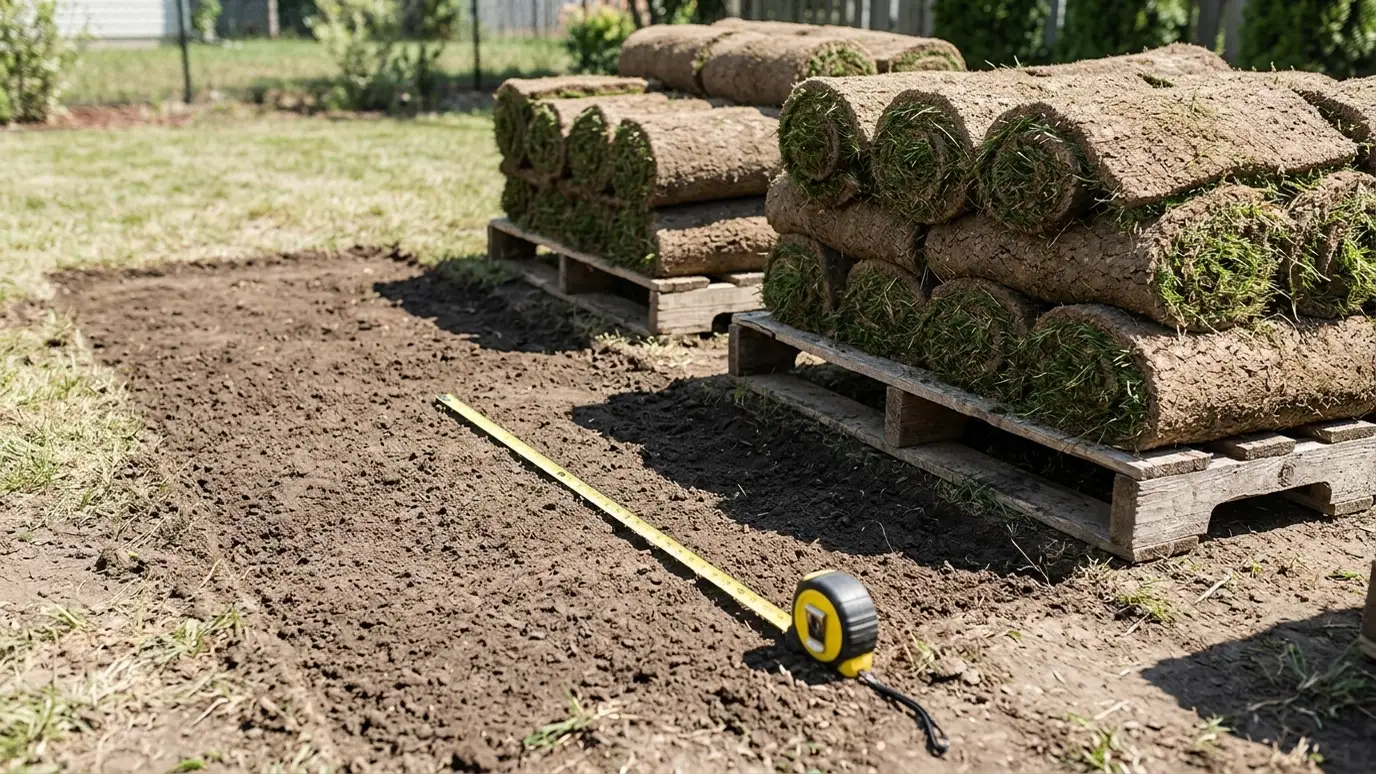
Large gaps usually mean the sod dried out between pallet and ground.
Lifting seams and edges
Seams curl when they dry or when the soil under them was uneven. Press them down and water. If they stay up, a thin layer of soil under the edge can help.
Slopes may need pins.
Spongy or squishy spots
A lawn that squishes underfoot is getting too much water or has poor drainage. Reduce watering and look for runoff from downspouts or low spots.
Fungus and mushrooms often follow wet conditions.
When to call for help
If more than a few patches are failing after a couple of weeks, or if the sod will not root, the cause may be soil or drainage rather than watering. We can look, diagnose and fix it.
Early action saves the lawn and the cost of reinstalling.
Most new sod problems are water problems, so check moisture first, then edges, then soil.