Why turf works for dogs
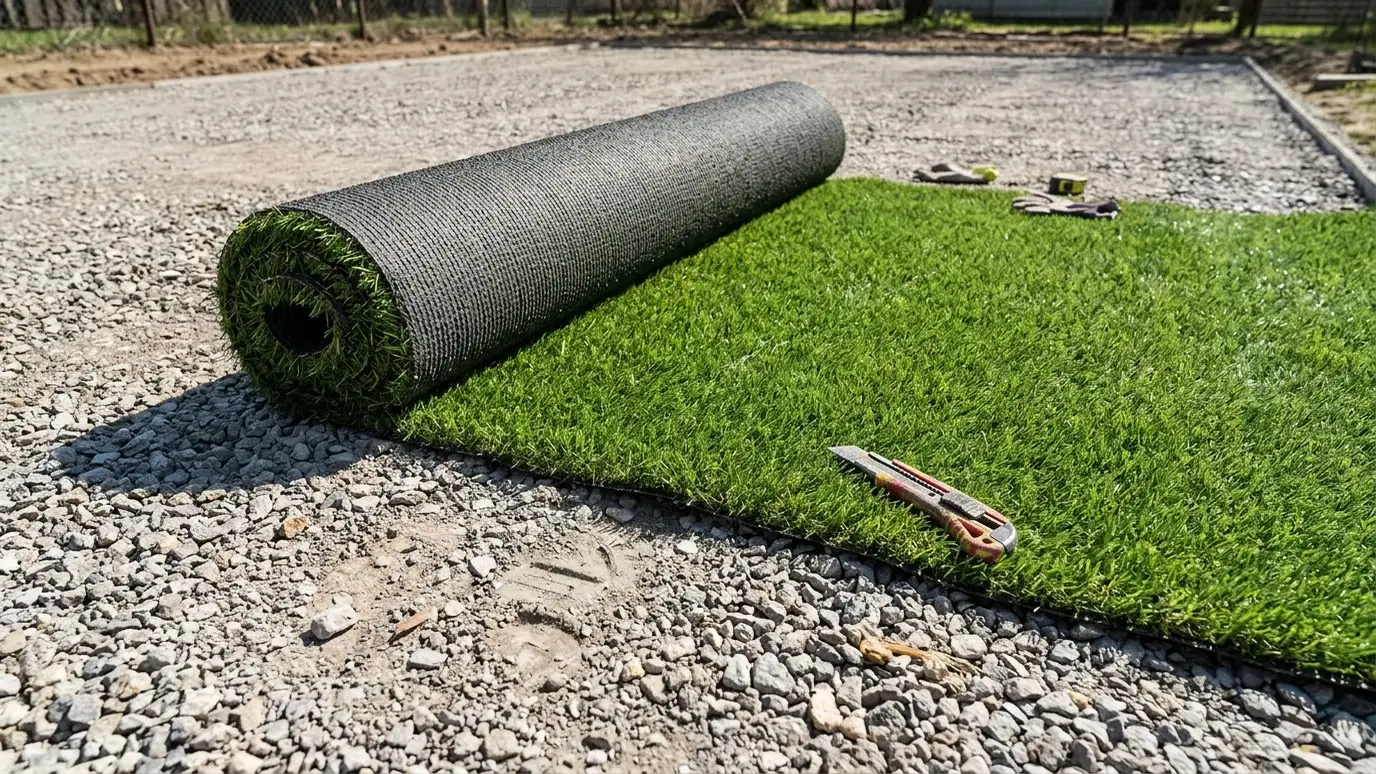
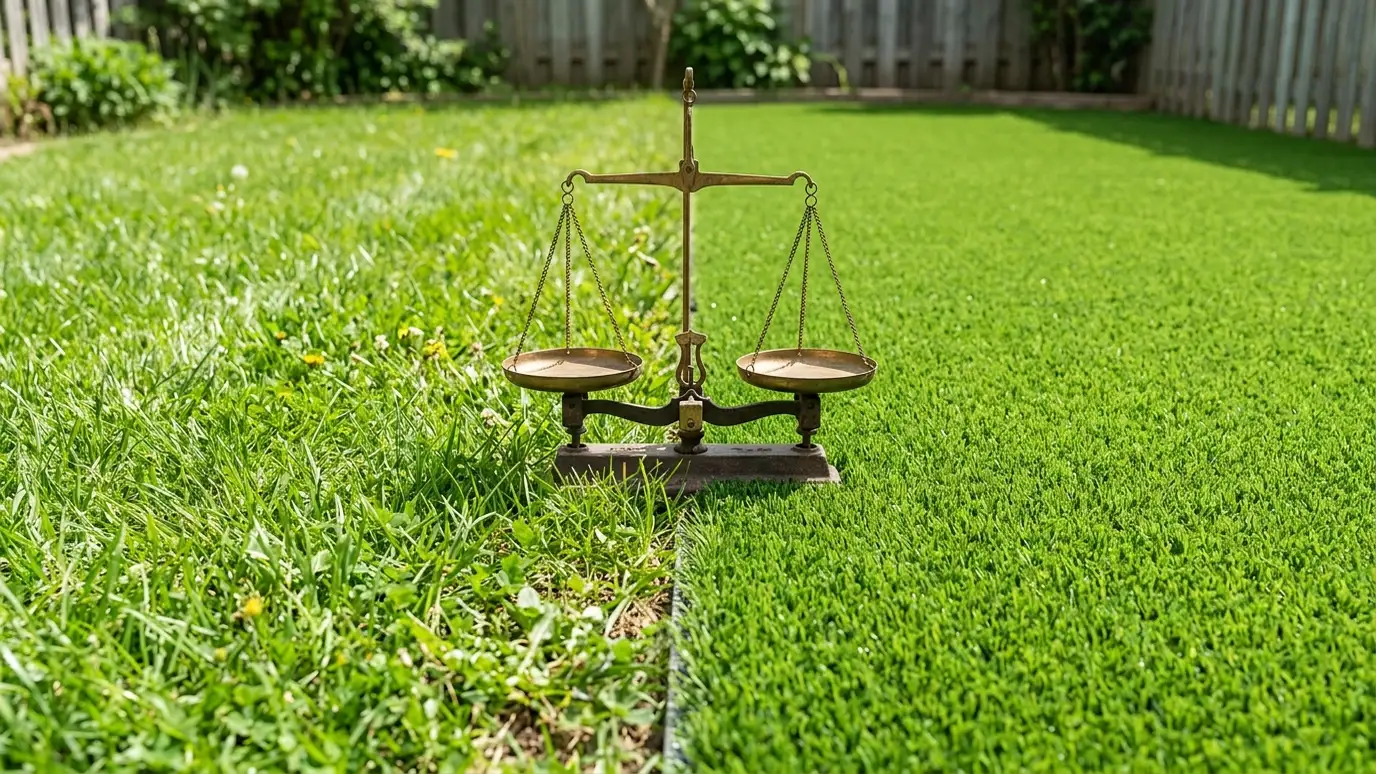
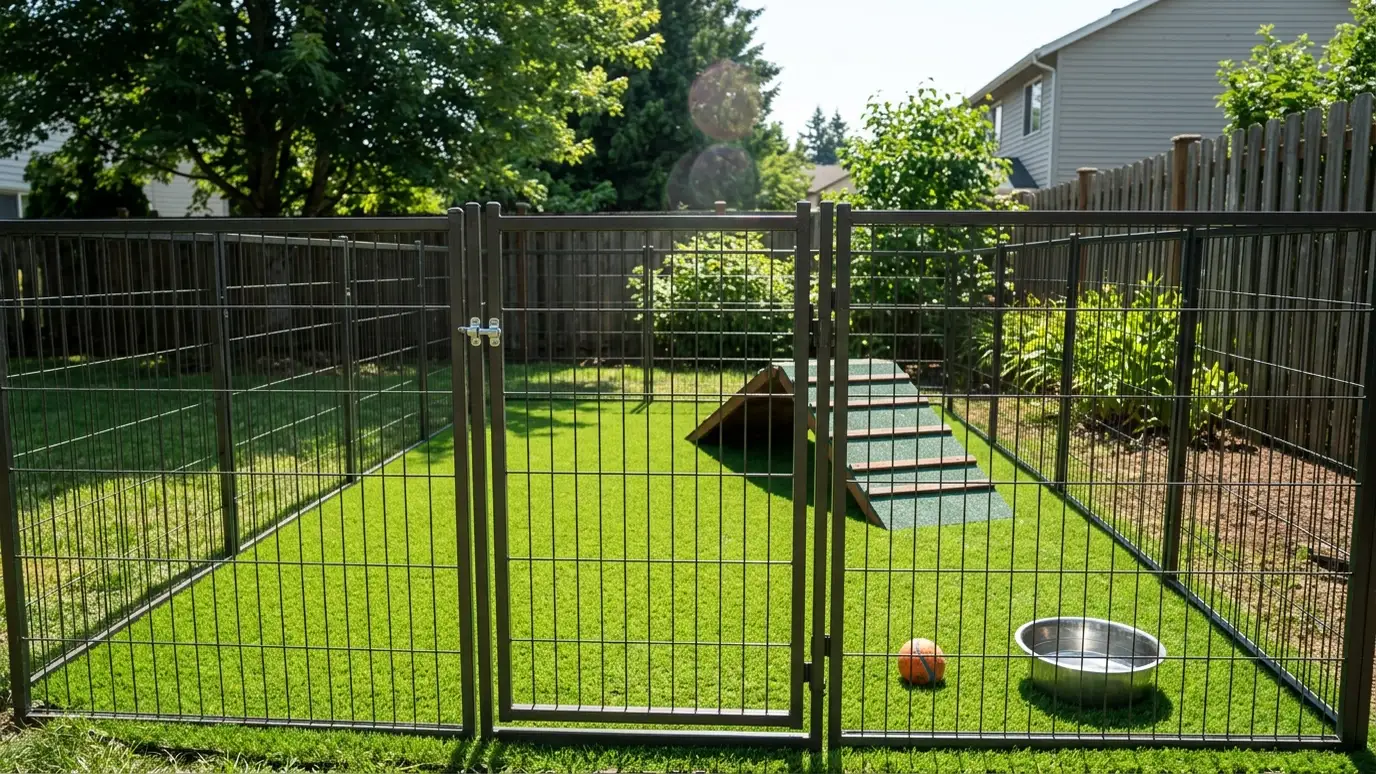
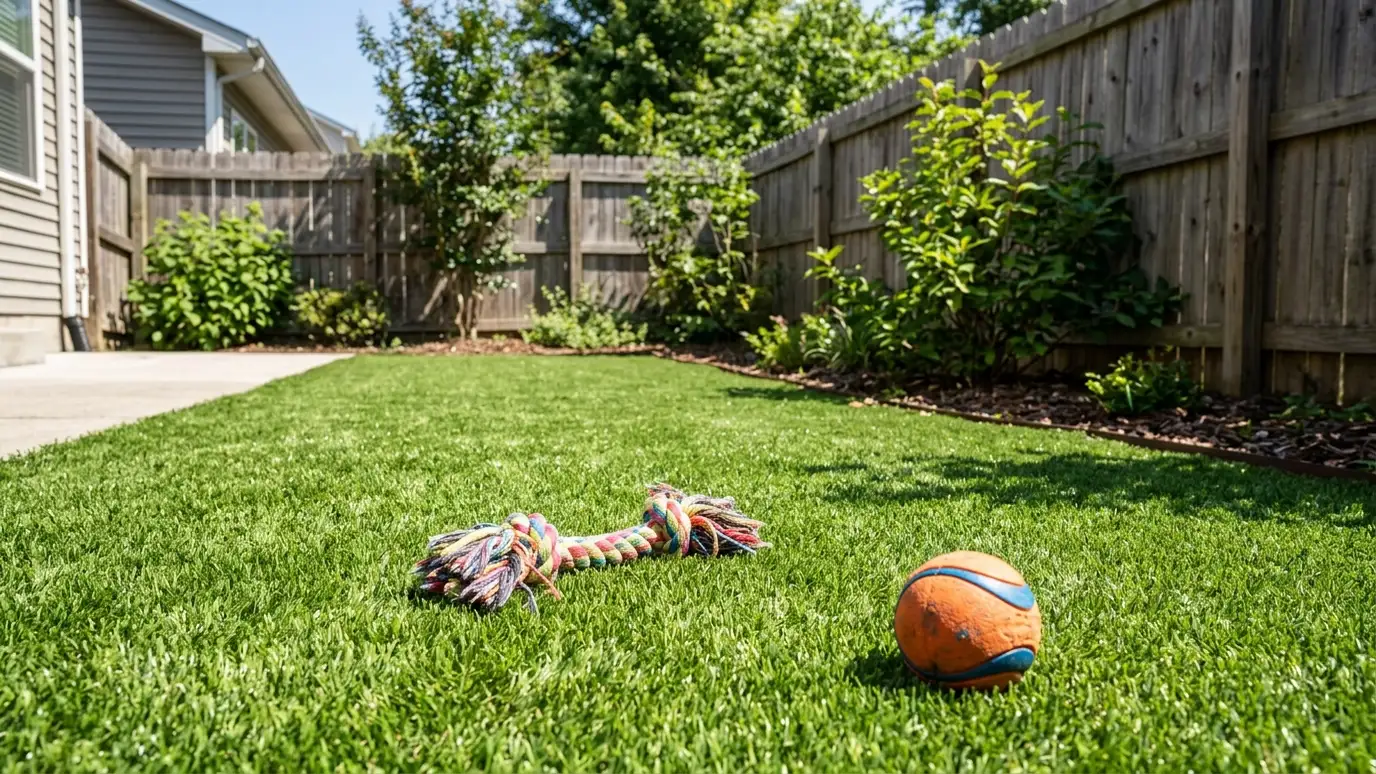
Dogs wear out grass and tear up lawns, and rain turns worn areas to mud. Turf drains quickly, does not die from urine and gives a clean surface for play. It is a practical choice for runs, side yards and small backyards.
The details of installation make the difference.
Drainage is everything
A free-draining base and a perforated backing let liquids pass through. Poorly drained turf holds moisture and odor. On clay, a drain pipe in the base may be needed.
Slope the area slightly and avoid low spots.
Infill for pets
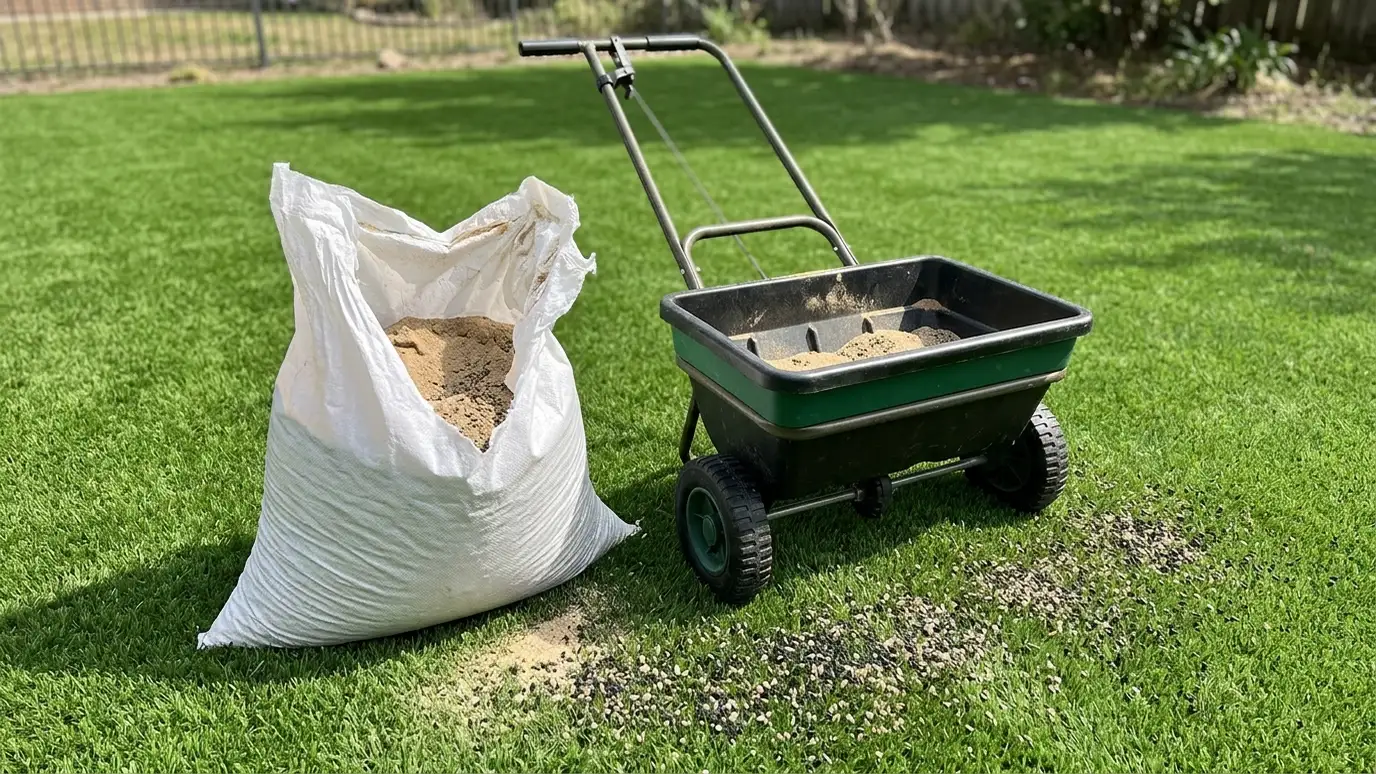
Antimicrobial coated sand and zeolite are common infills for pet turf. They help control odors. Avoid crumb rubber in pet areas. Regular topping up keeps the effect strong.
Ask your installer which products they use and why.
Secure edges and seams
Dogs dig at corners and edges. Fasten edges with a firm border and use glued seams. Extra fasteners at known digging spots help.
A well-built perimeter is the best defense.
Cleaning routine
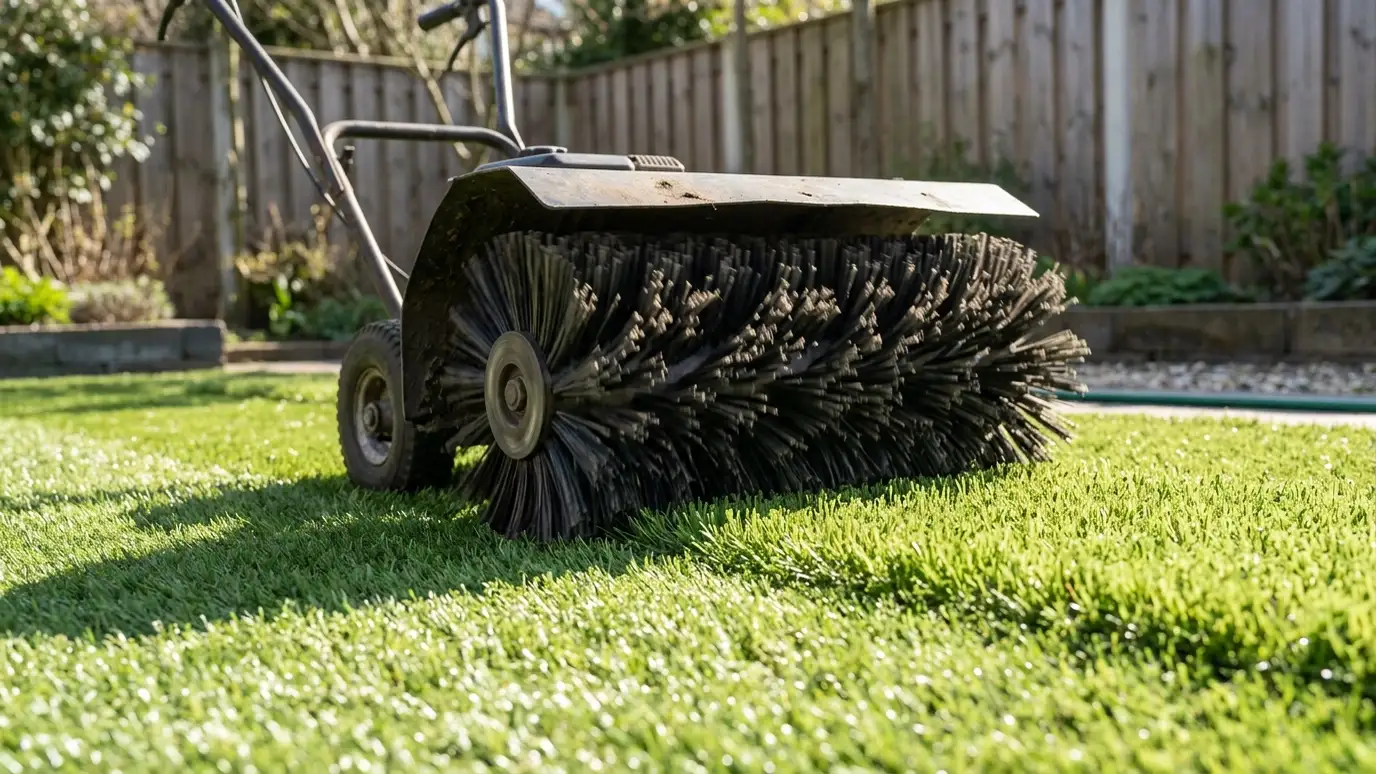
Pick up solids promptly. Rinse the turf with a hose, and for urine, rinse more thoroughly and use an enzyme cleaner now and then. Brush to keep fibers upright.
In hot weather, rinse more often.
Heat and comfort
Turf can feel warm in summer sun. Shade, light colors and rinsing help. Make sure dogs have shade and water nearby.
Check the surface with your hand before letting them out on hot days.
Pet turf works when the base drains, the infill controls odor and the edges are secure, so ask about all three.