Start with the space
Walk your yard and ask which parts get sun, which are shady, which are sloped and which take the most wear. Every yard has zones, and each zone may suggest a different answer.
Take photos and notes. They make the conversation with a professional more productive.
Sun and shade
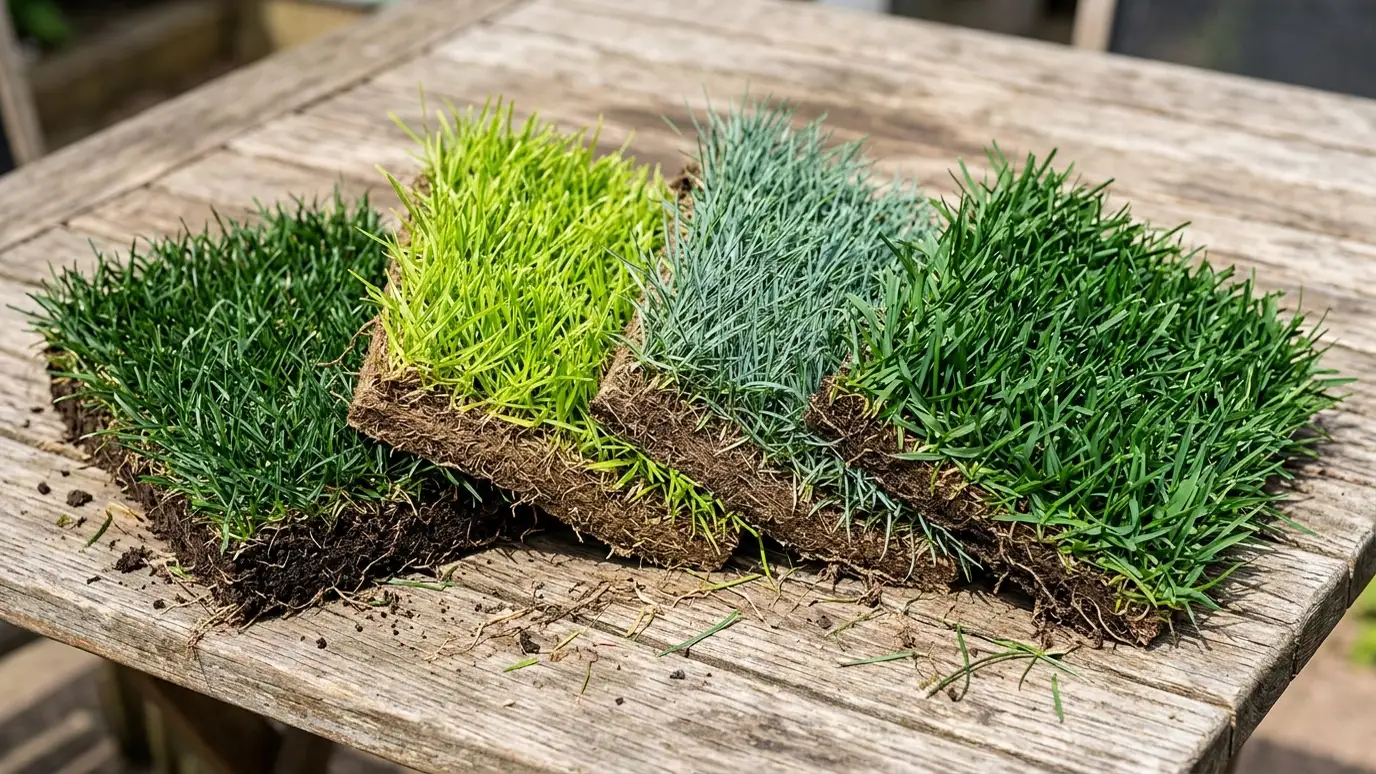
Sunny areas are where grass thrives, so sod is a natural fit. Deep shade is where grass struggles, so turf, mulch or groundcover make more sense. Part shade is a middle ground where shade-tolerant fescue can work.
Light is the single biggest factor for natural grass.
Pets and kids
Heavy use wears grass and creates mud. Turf handles it with less drama, while a tough natural lawn can recover with care. Many families choose turf for the play area and sod elsewhere.
Consider how often the yard is used and by whom.
Time and water
If you enjoy lawn care, a natural lawn is rewarding. If you want a weekend free of mowing, turf wins. Water costs and local restrictions can tip the balance.
Be honest about how much time you really want to spend.
Budget and value
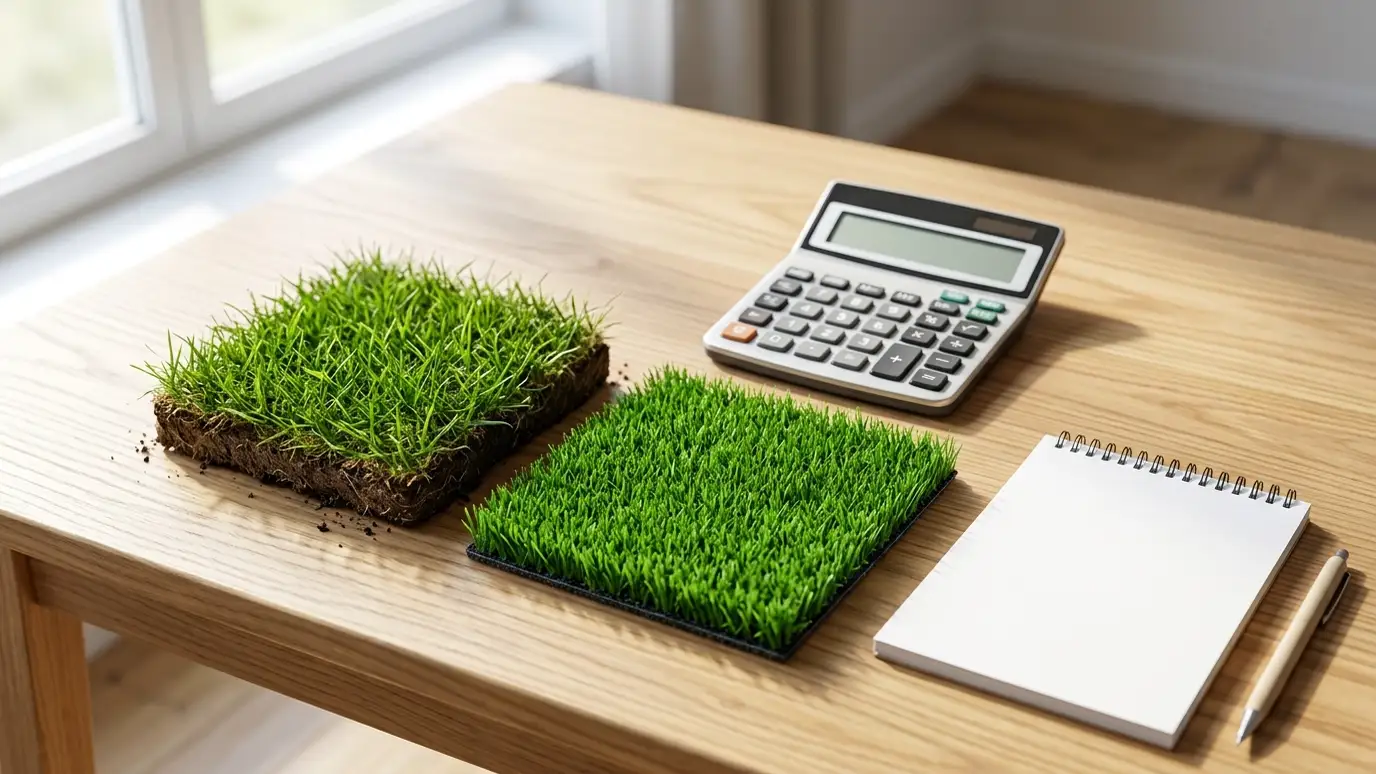
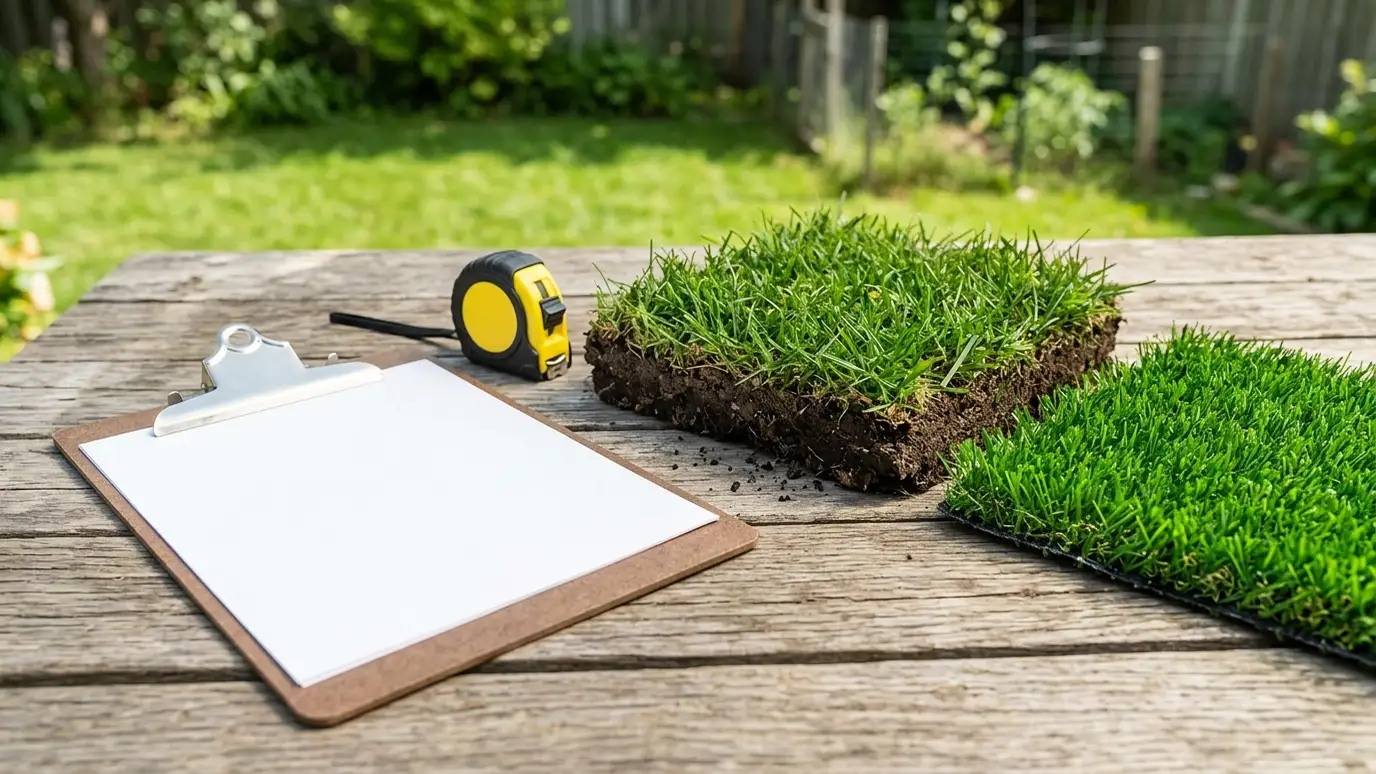
Sod costs less up front. Turf costs more up front and less to maintain. Think in terms of total cost over ten years and what you get for it.
Phasing is possible, and many owners start small.
The simple rule of thumb
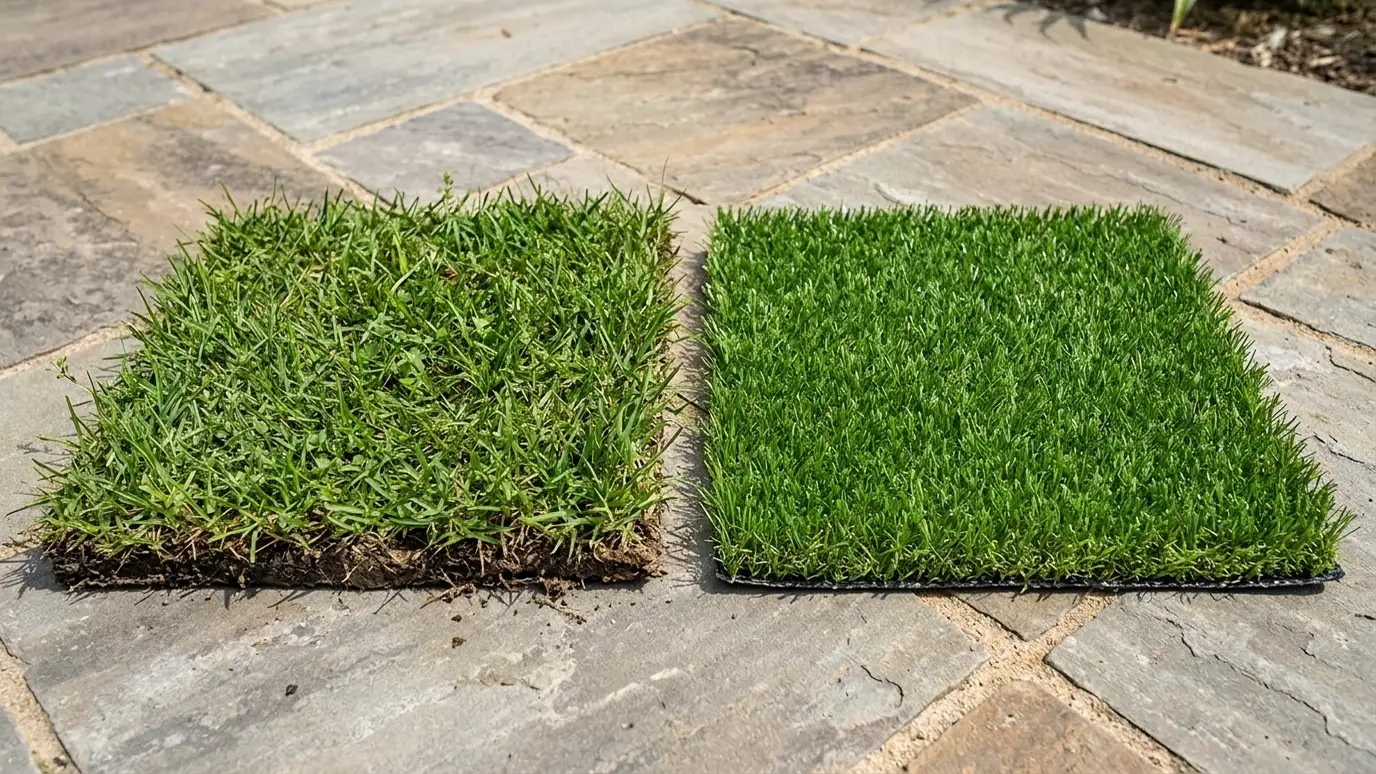
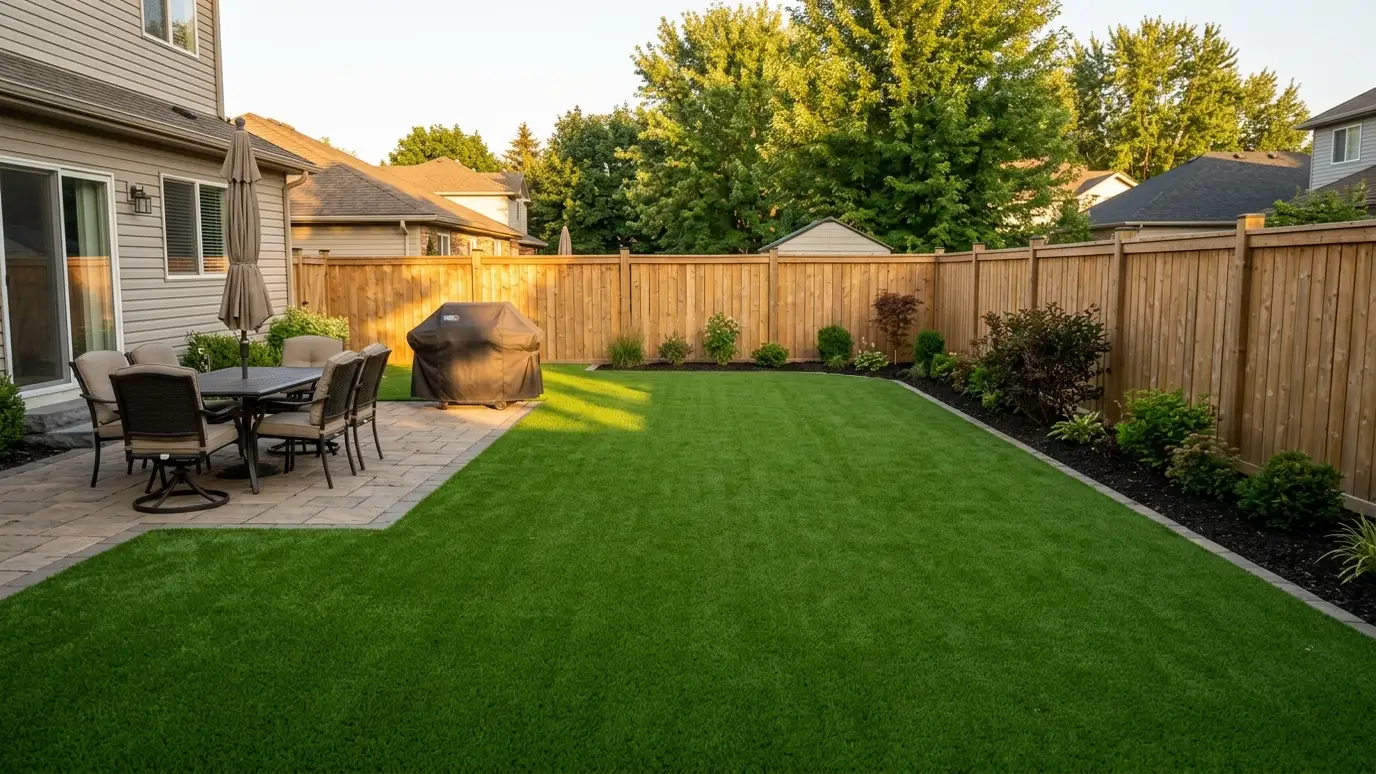
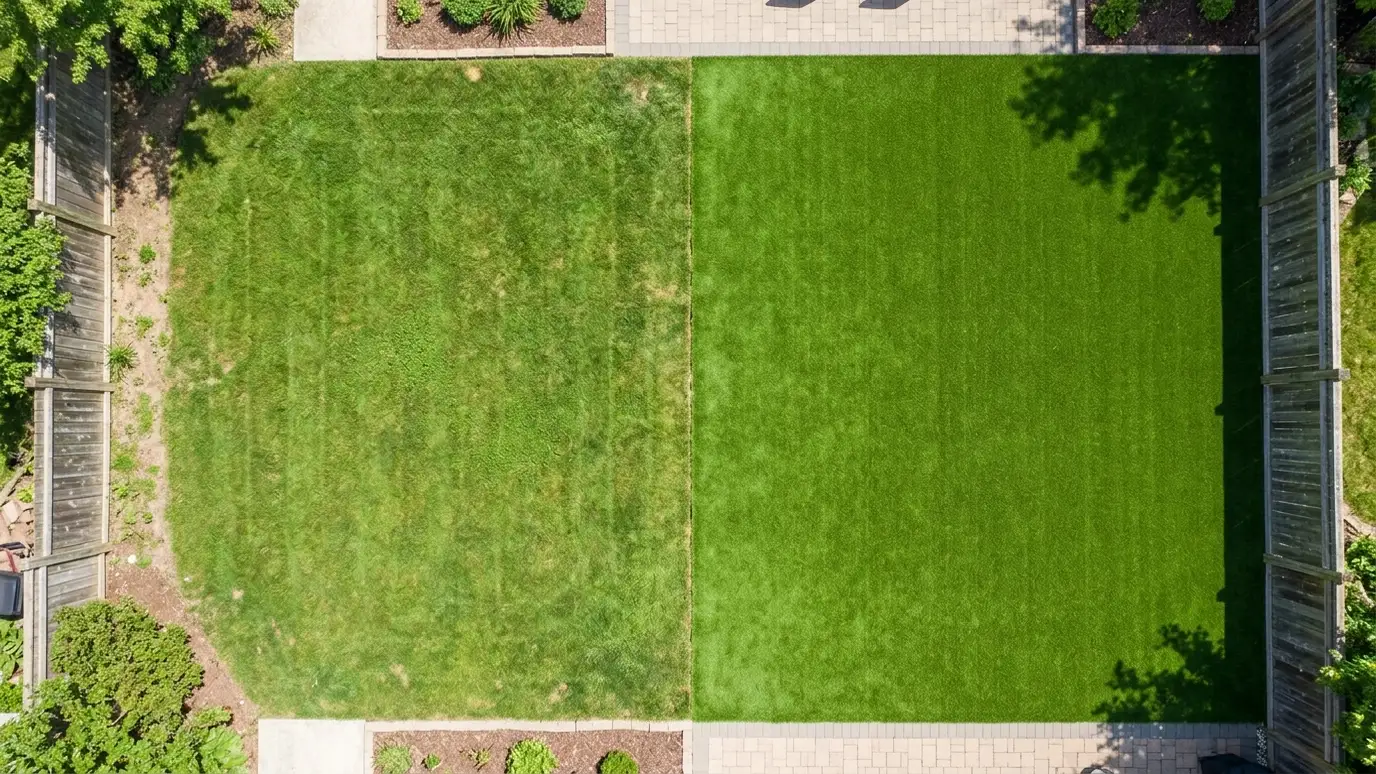
Use sod where grass is happy: sun, level ground and moderate use. Use turf where grass is not: shade, slopes, heavy wear and tight spaces. Use both when your yard has both kinds of areas.
We are glad to walk your yard and recommend what fits, even if that means a smaller job for us.
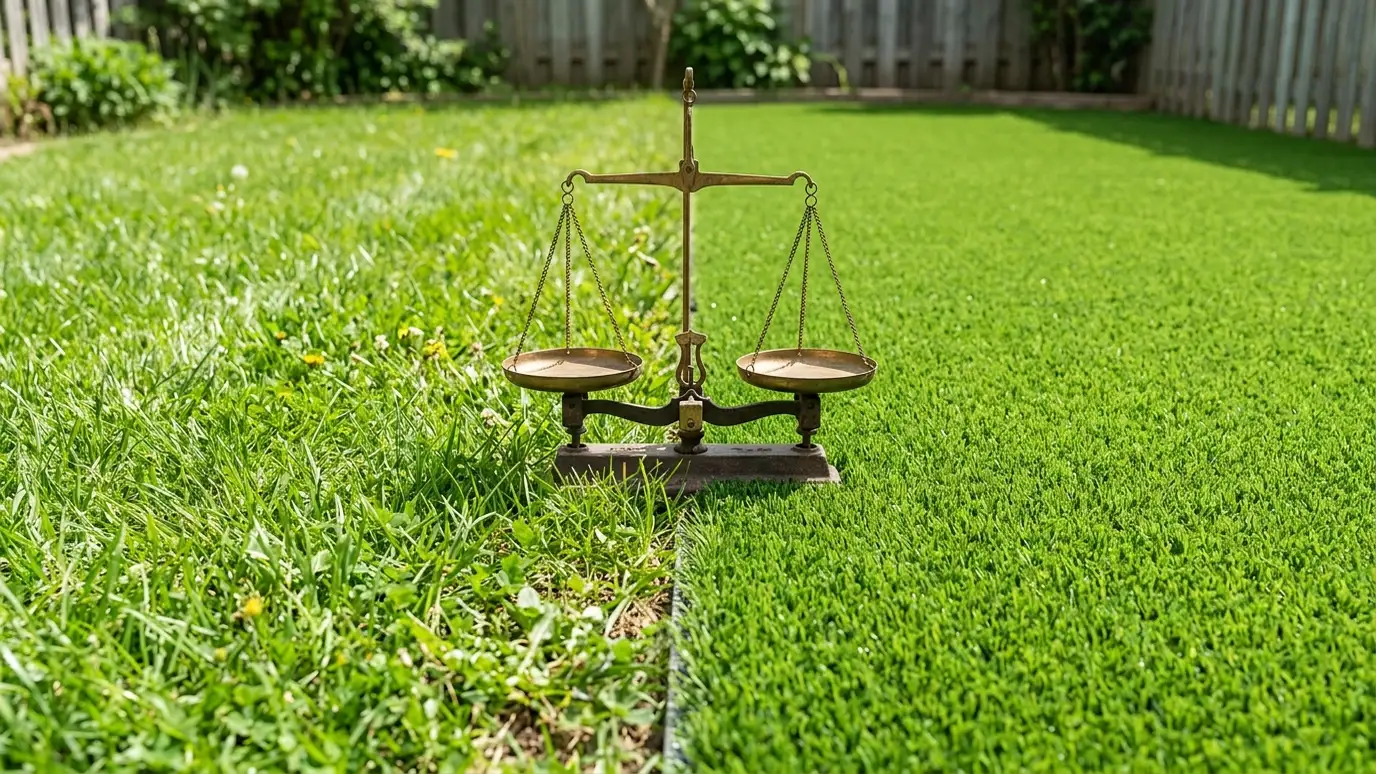
Match the surface to the zone: sod where grass is happy, turf where it is not and both when the yard needs it.