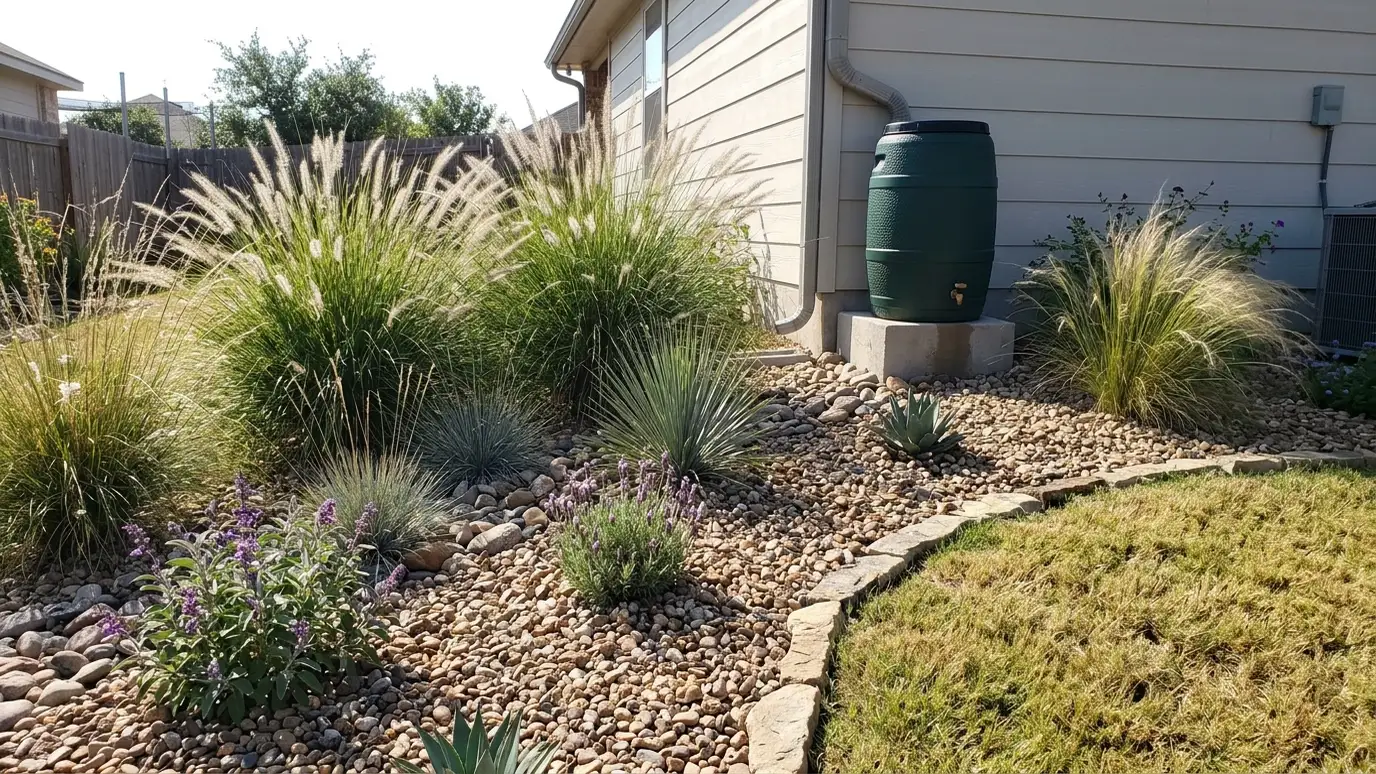
Water bills climb every summer. Here are the grasses, habits and alternatives that keep a yard green with less water.
Even in a wet region like Middle Tennessee, summer dry spells can last weeks, and many owners pay for a lot of water to keep a lawn alive. There are ways to cut it back. The grass you choose, how you water it and how healthy the soil is all affect how much a lawn needs.
Bermuda and zoysia are among the most drought-tolerant lawn grasses. Tall fescue builds deep roots and gets through dry spells better than other cool-season grasses, especially when it is mowed tall. Deep, infrequent watering trains roots to go down. Smart controllers and rain sensors stop waste, and compost improves how soil holds moisture. In places where grass is not worth the water, artificial turf or drought-tolerant beds can save more.
Bermuda and zoysia.
Mow tall.
Fewer, longer cycles.
Stops waste.
Holds moisture.
Turf and beds.
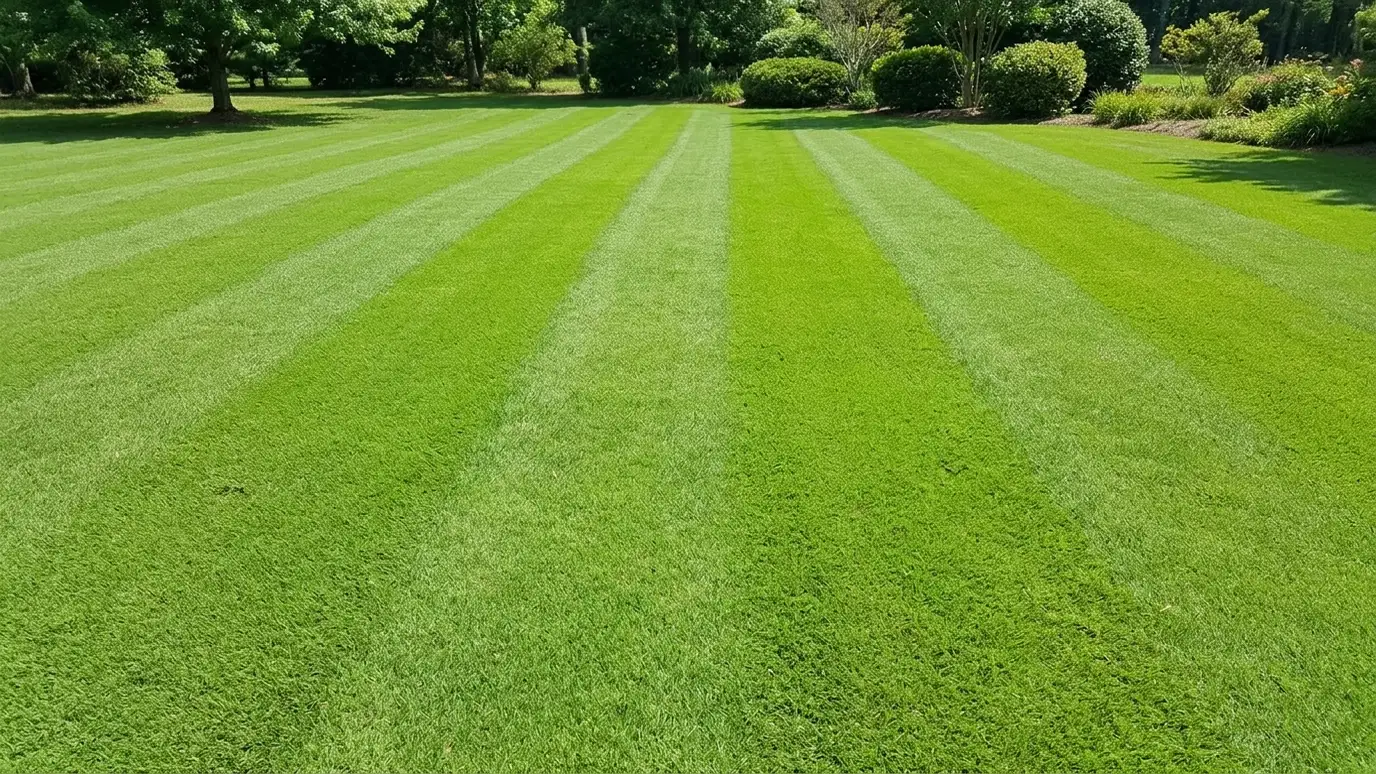 Bermuda SodA tough, fast-spreading warm-season lawn for full sun, high traffic and a crisp, athletic look.Explore
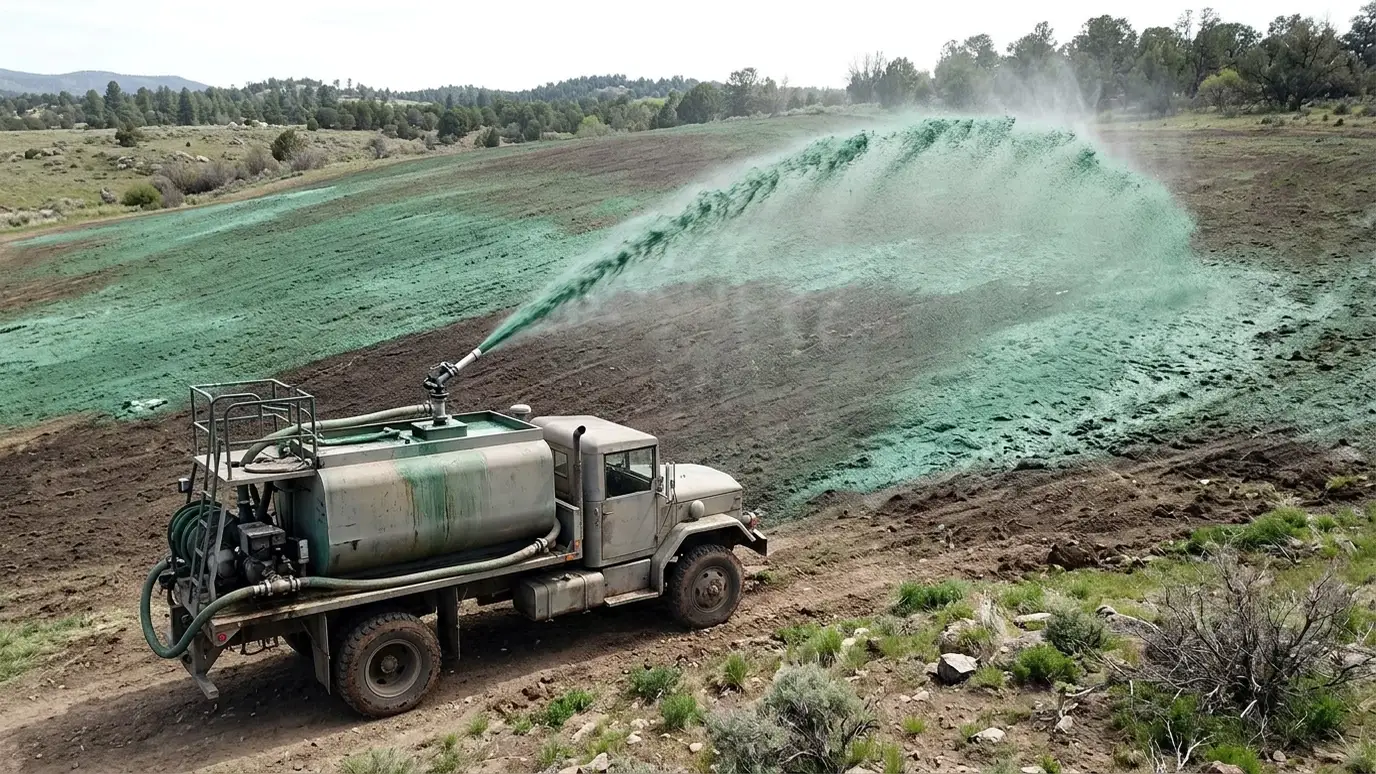 HydroseedingA sprayed slurry of seed, mulch and nutrients for large areas, slopes and budget-conscious lawns.Explore
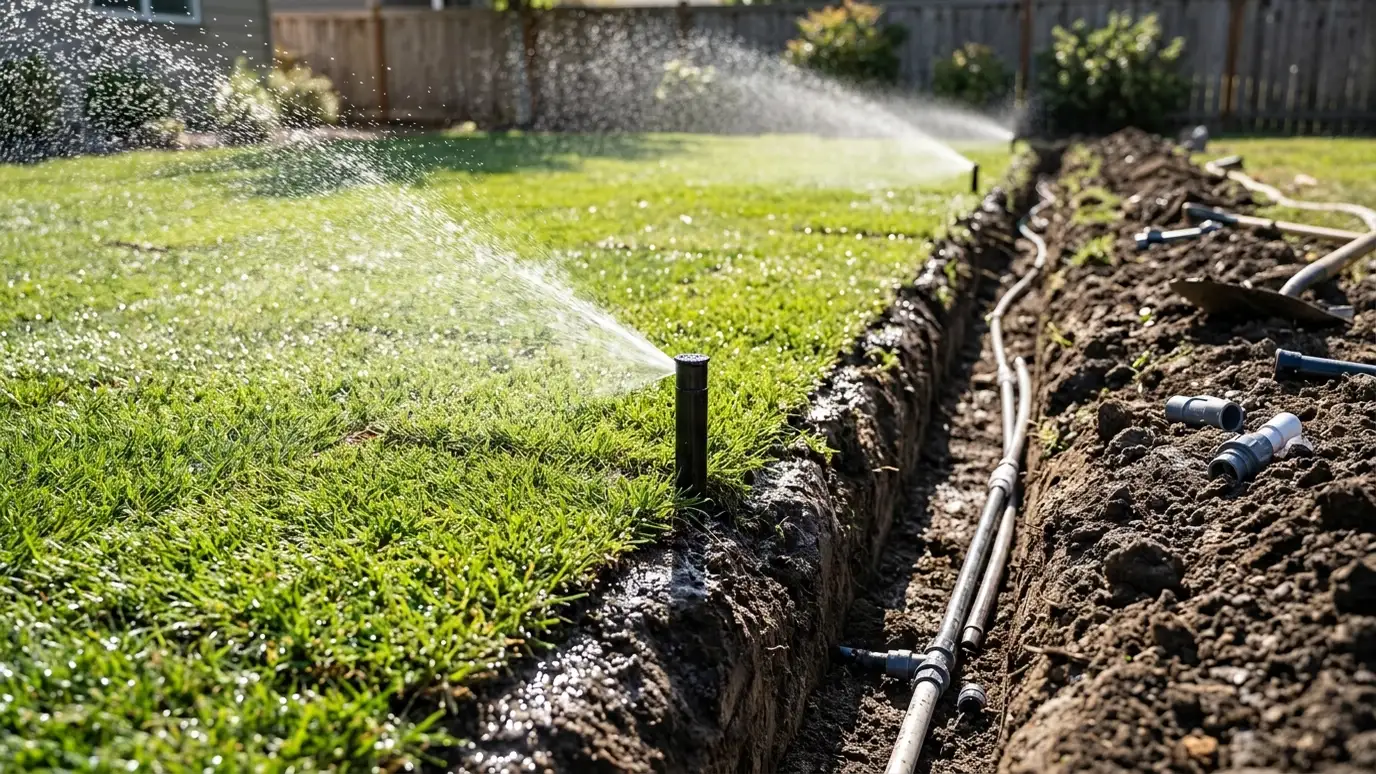 Irrigation SystemsSmart sprinkler systems designed for even coverage, so new sod roots fast and the lawn stays green with…Explore
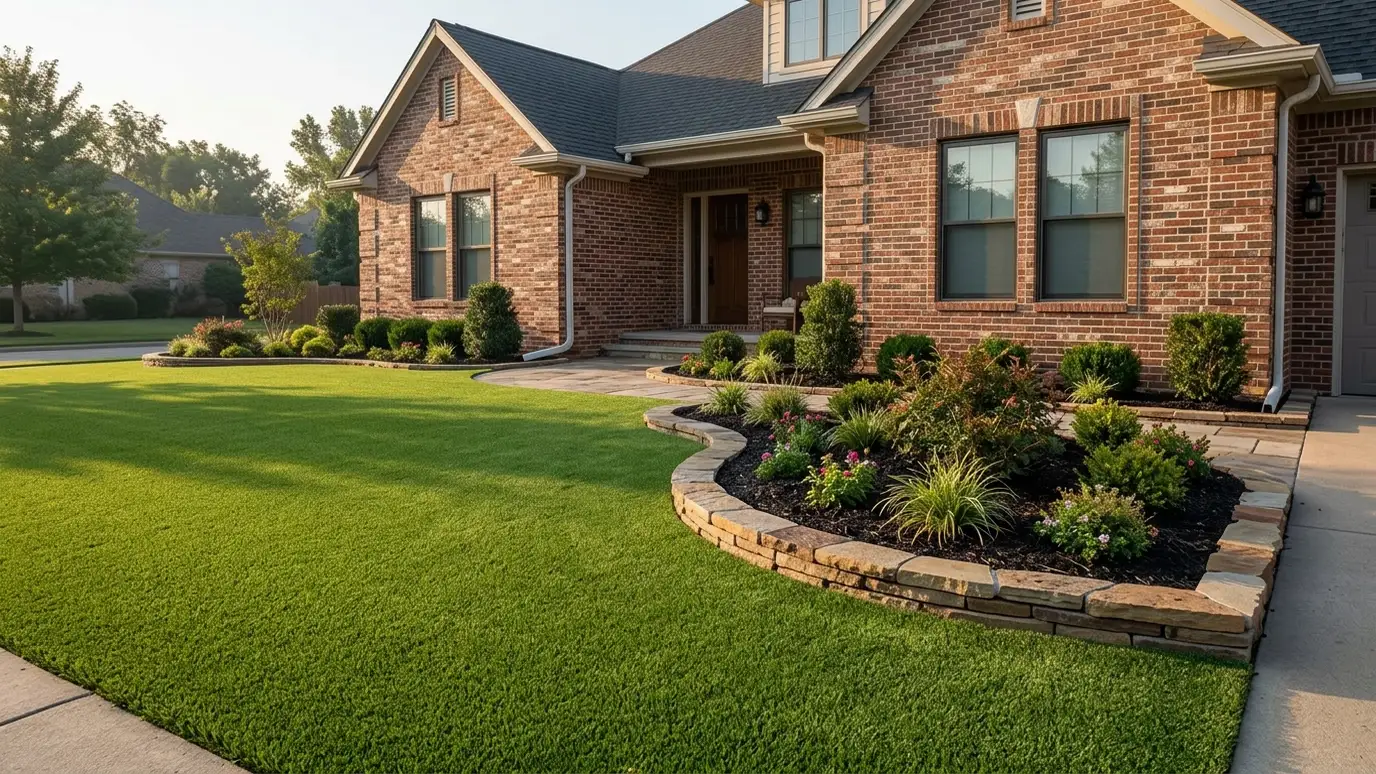 Front Yard TurfCurb appeal that stays green: a clean, even front lawn with sharp edges and no mowing, watering or…Explore
 Rooftop TurfGreen space in the city: lightweight, drainable turf for terraces, rooftops, balconies and courtyards.Explore
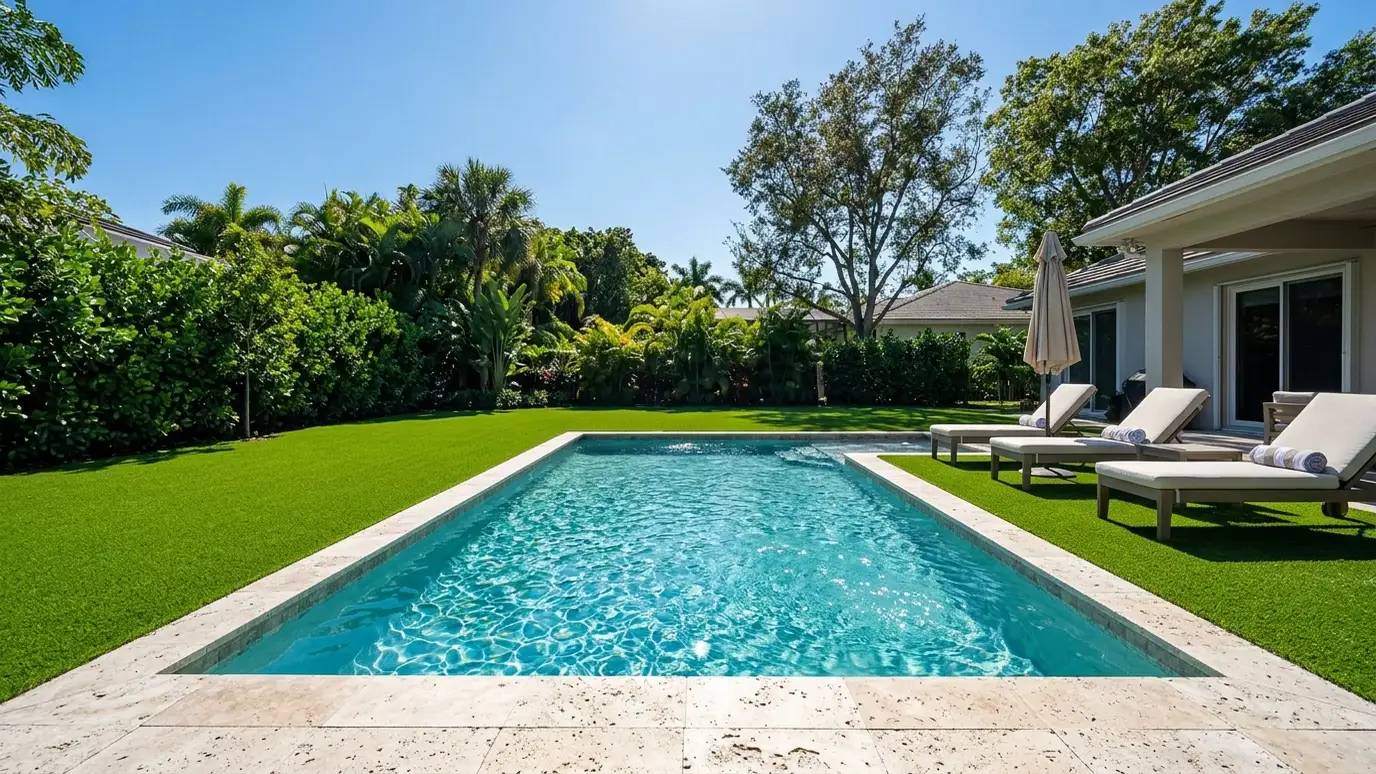 Poolside TurfCool-to-the-touch, slip-resistant turf around pools and patios, with no mud, no mowing and quick drainage after splashing.Explore
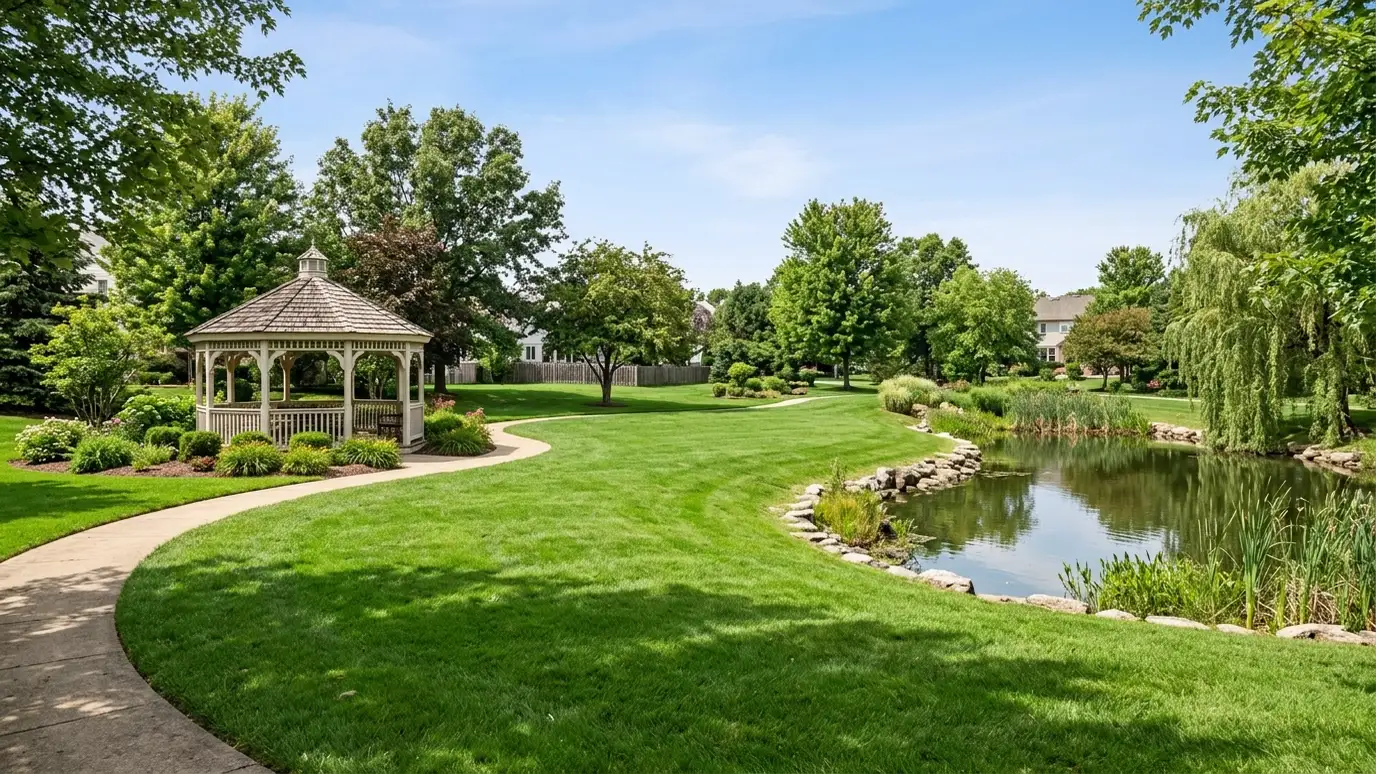 HOA LawnsEntrances, pools, parks and common areas that make a neighborhood look cared for, installed and refreshed on a…Explore
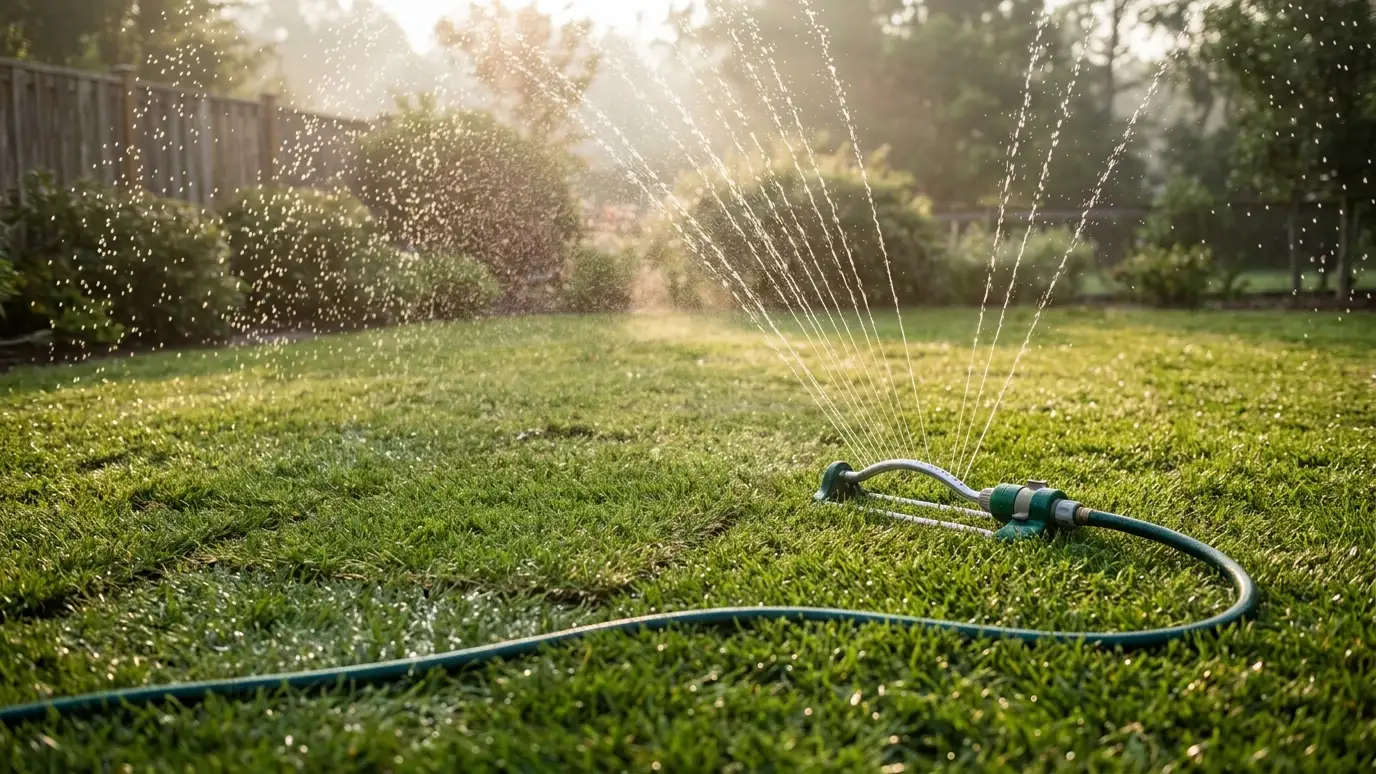 New Sod CareThe first weeks decide everything: a clear watering and care plan, check-ins and fixes so new sod roots…Explore
Take the quiz, check a problem or ballpark a budget.
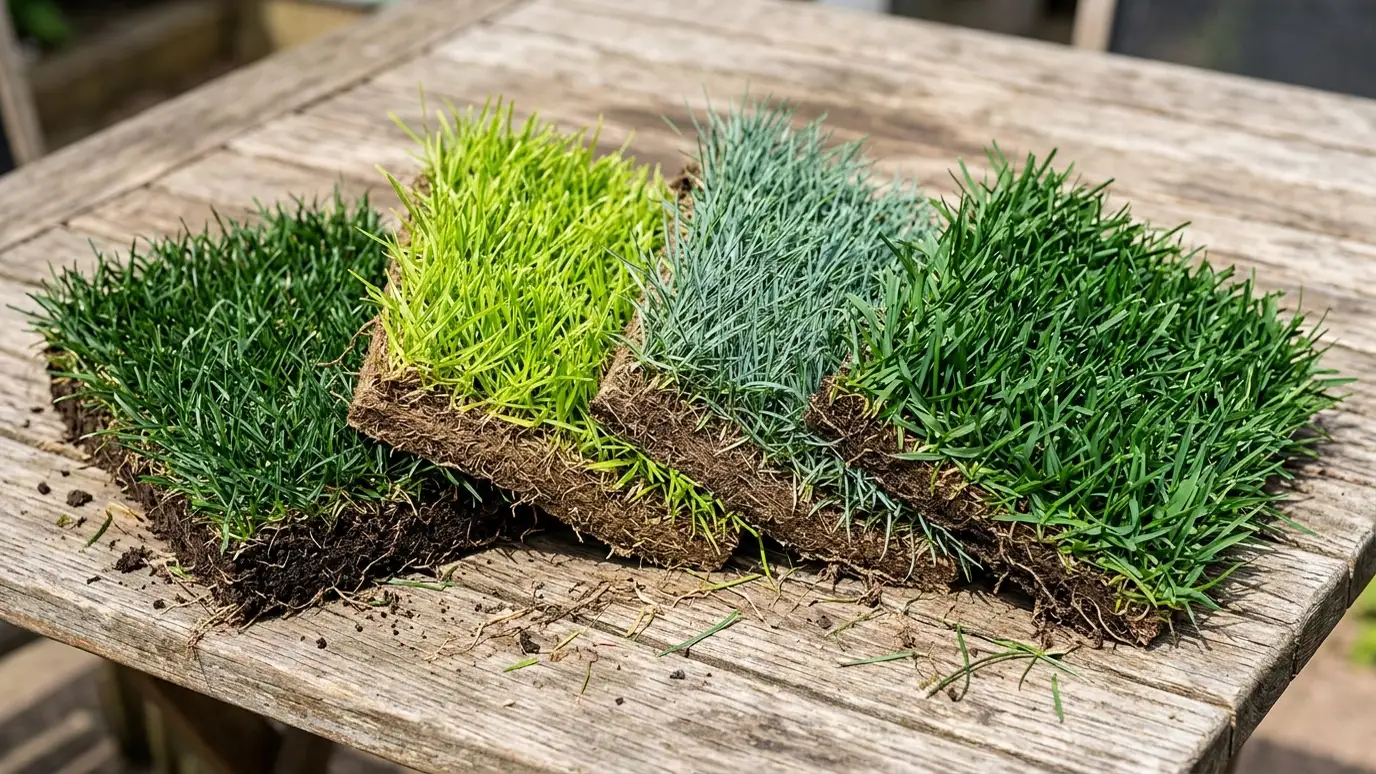 Which Grass or Turf Is Right for My Yard? QuizAnswer five questions about sun, use, pets and upkeep to see the grass or turf that fits your yard.Try it
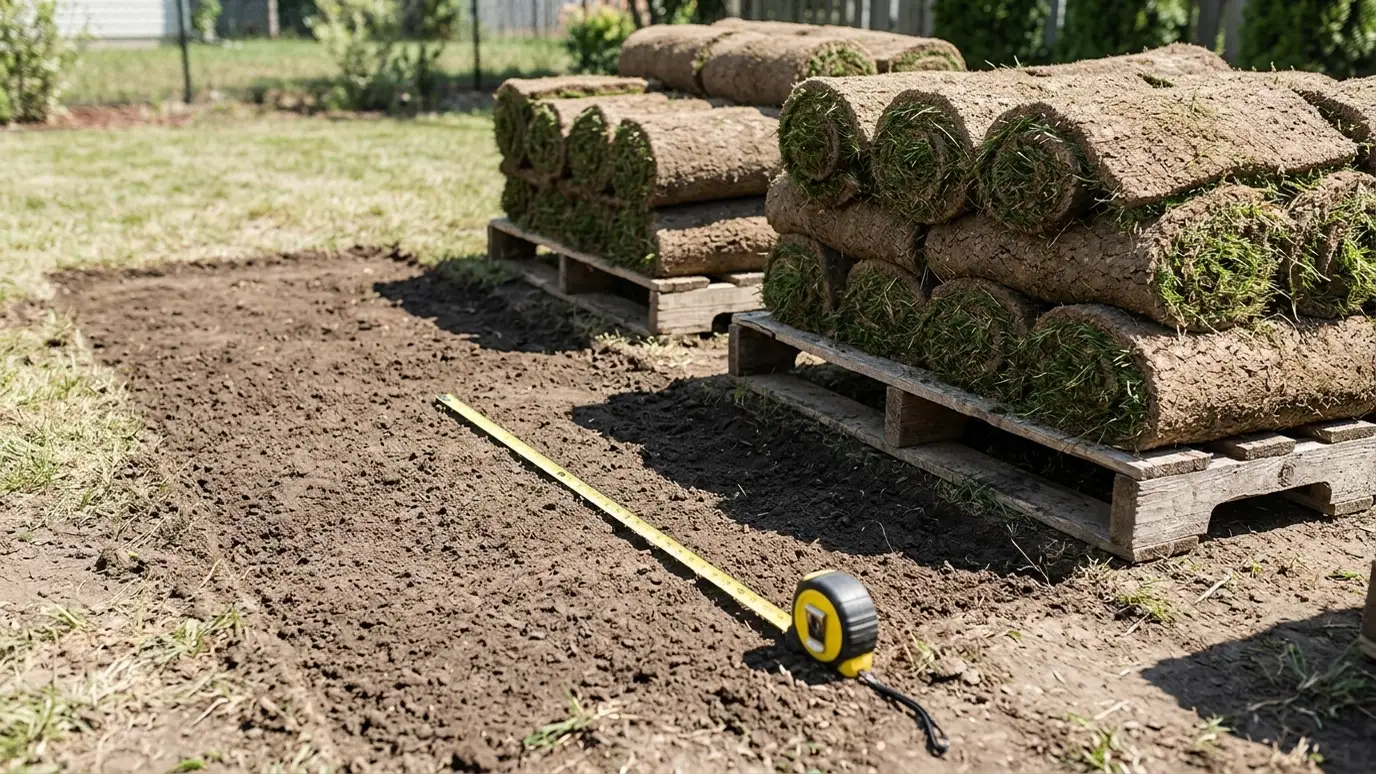 Sod Calculator: How Much Sod Do I Need?Enter the length and width of each lawn area to see the square feet, the pallets and rolls to order and a sensible waste allowance.Try it
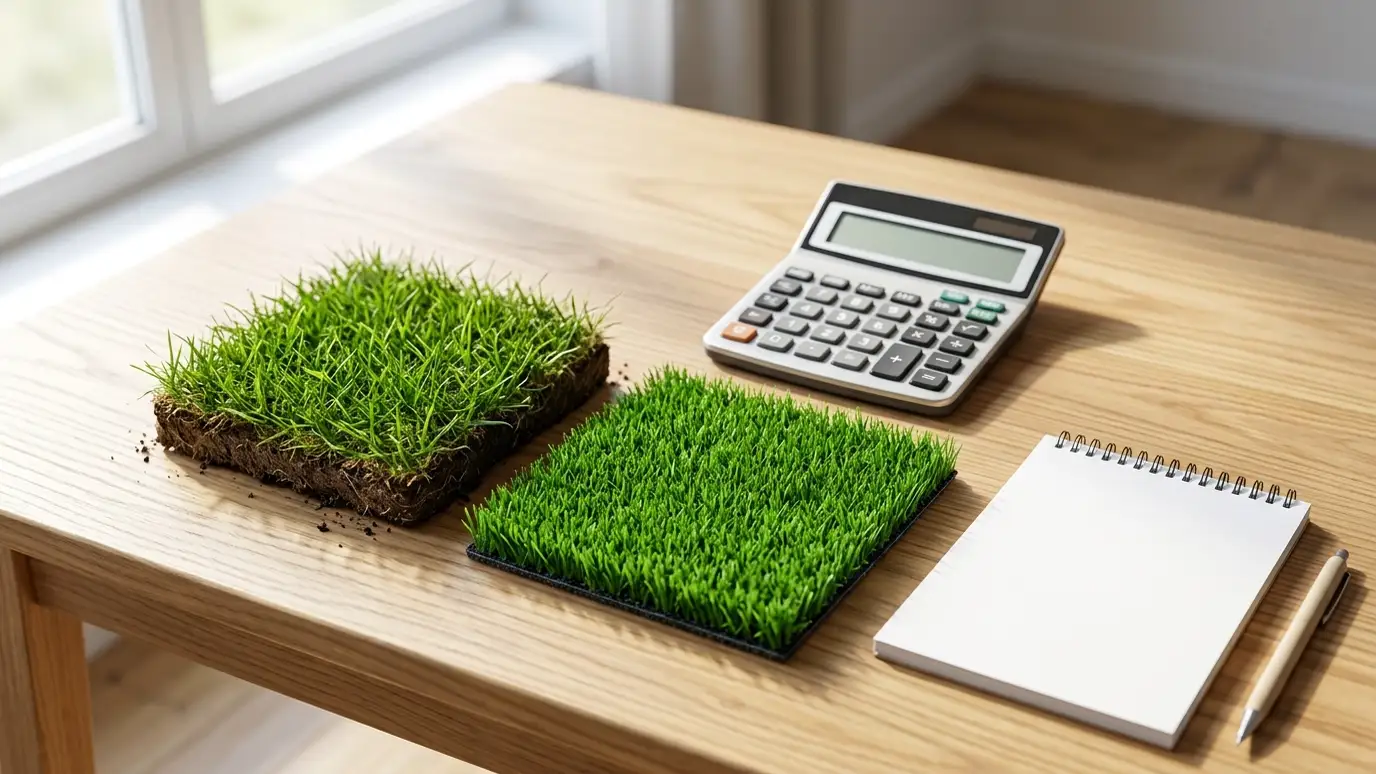 Sod and Turf Budget PlannerPick a project and a size and get a ballpark planning range.Try it
Bermuda and zoysia are very drought tolerant once established. Fescue needs more but handles dry spells with deep roots.
Water deeply and less often, early in the morning, and adjust with the weather.
Yes, since it needs none beyond occasional rinsing, though it has other trade-offs we explain.
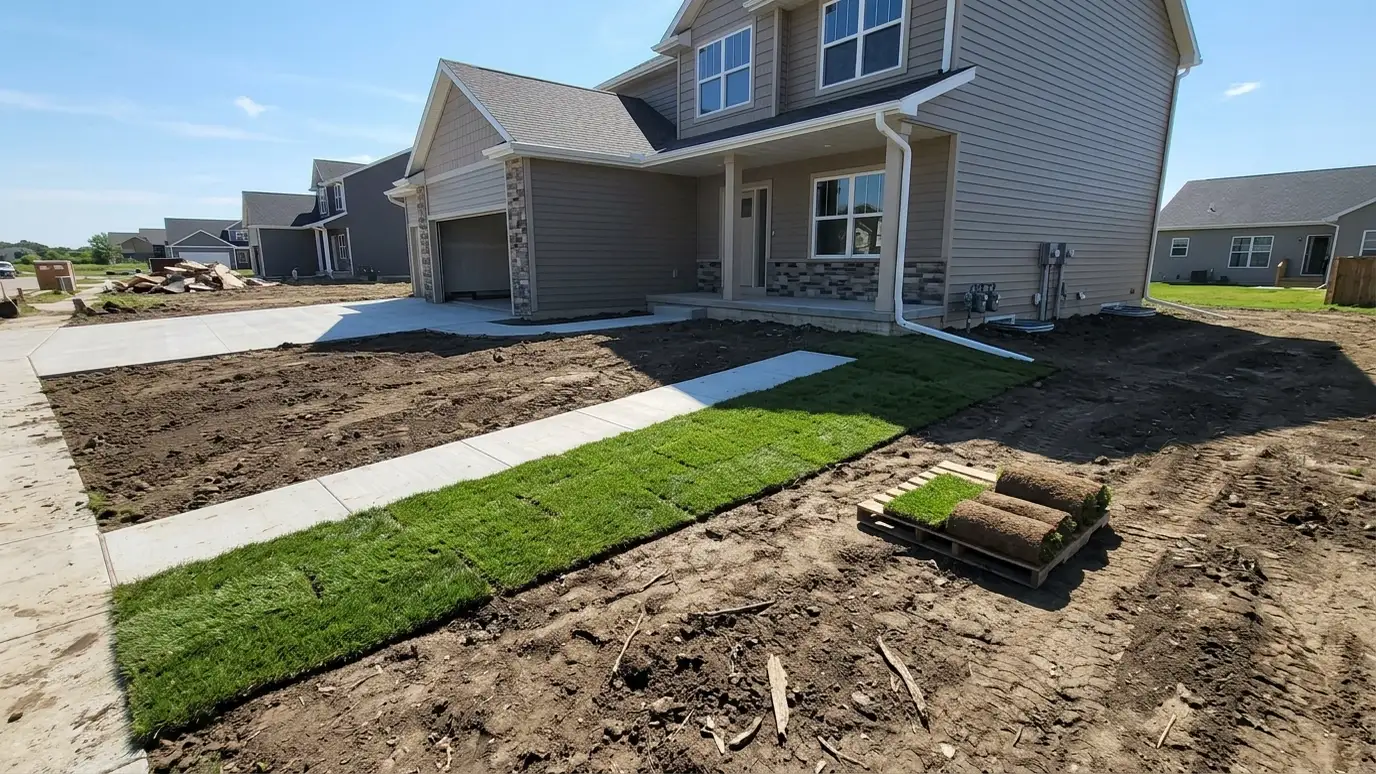 Yard situationNew Construction LawnsA new home sits on raw, compacted ground. Here is how to turn it into a lawn that…Learn more
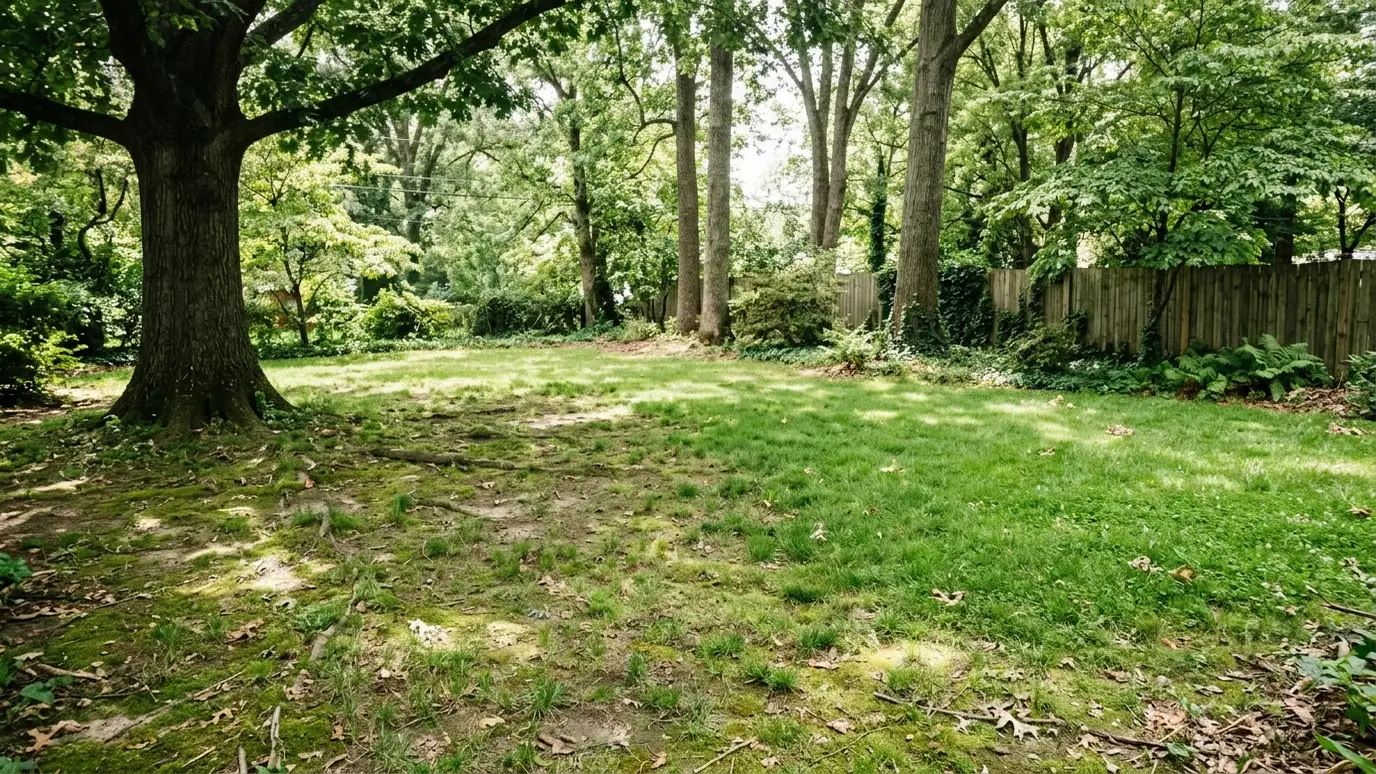 Yard situationShady YardsMature trees make Nashville neighborhoods beautiful and lawns difficult. Here is what grows in the shade and what…Learn more
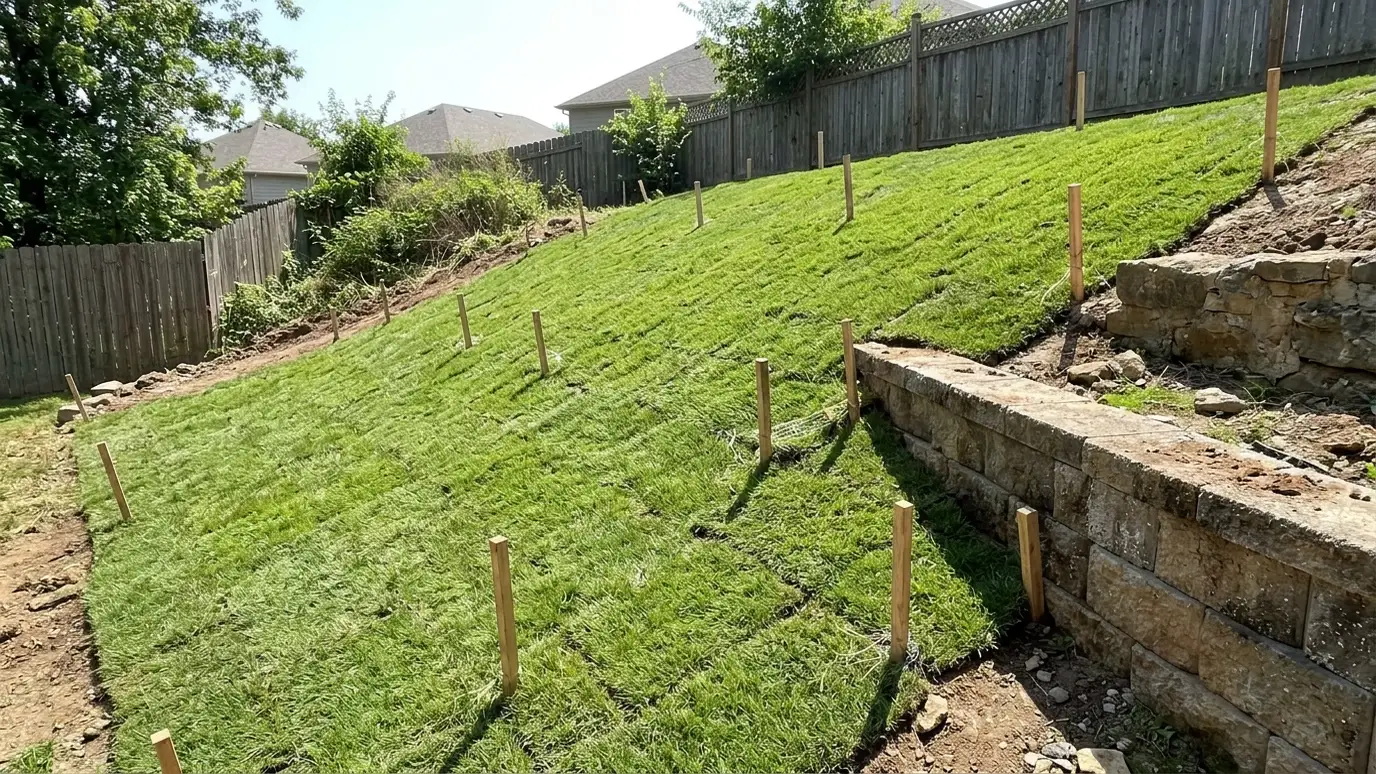 Yard situationSlopes and HillsidesHills are everywhere in Middle Tennessee. Here is how to hold a slope with grass, and when you…Learn more
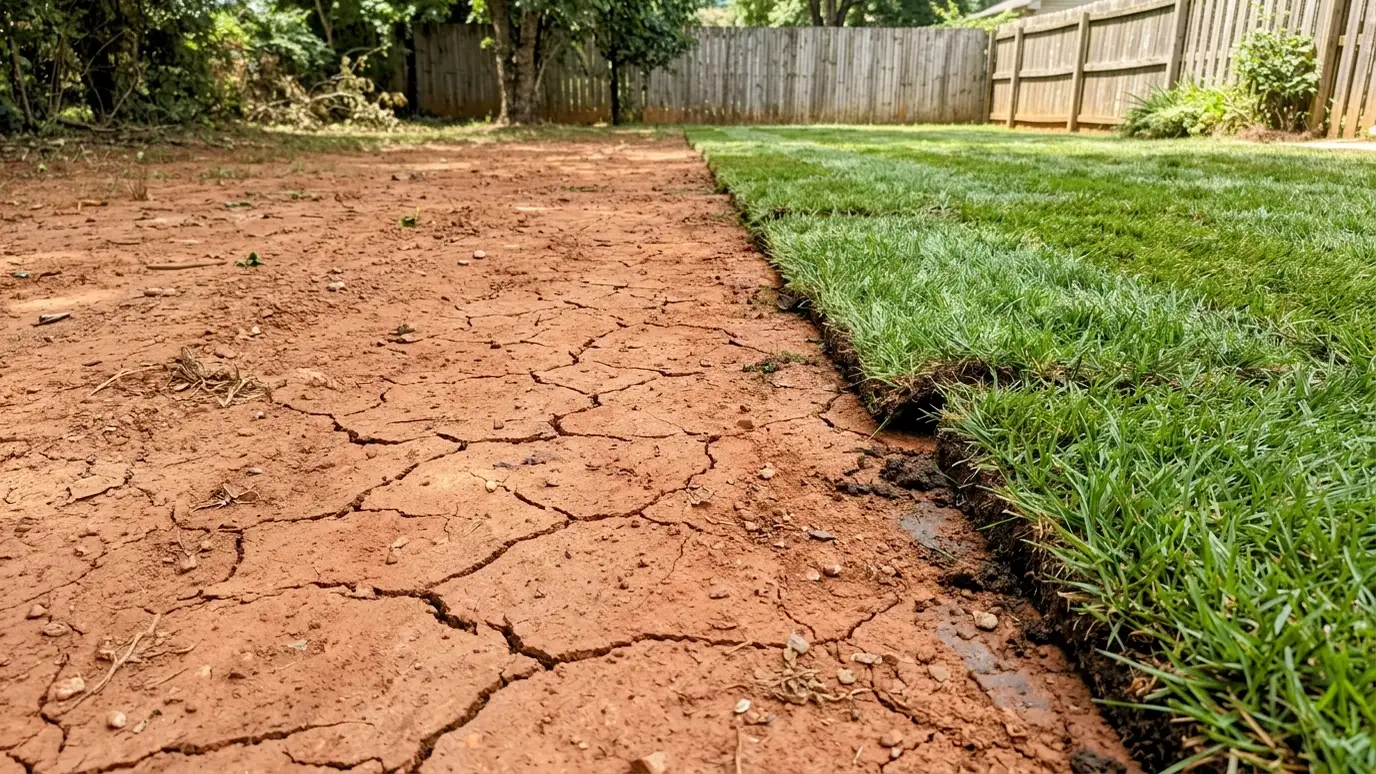 Yard situationClay Soil YardsRed Tennessee clay holds water, cracks in summer and resists roots. Here is how to build a lawn…Learn more
Call us and we will visit, measure your yard and give you a clear plan and a written scope for sod, artificial turf or both.